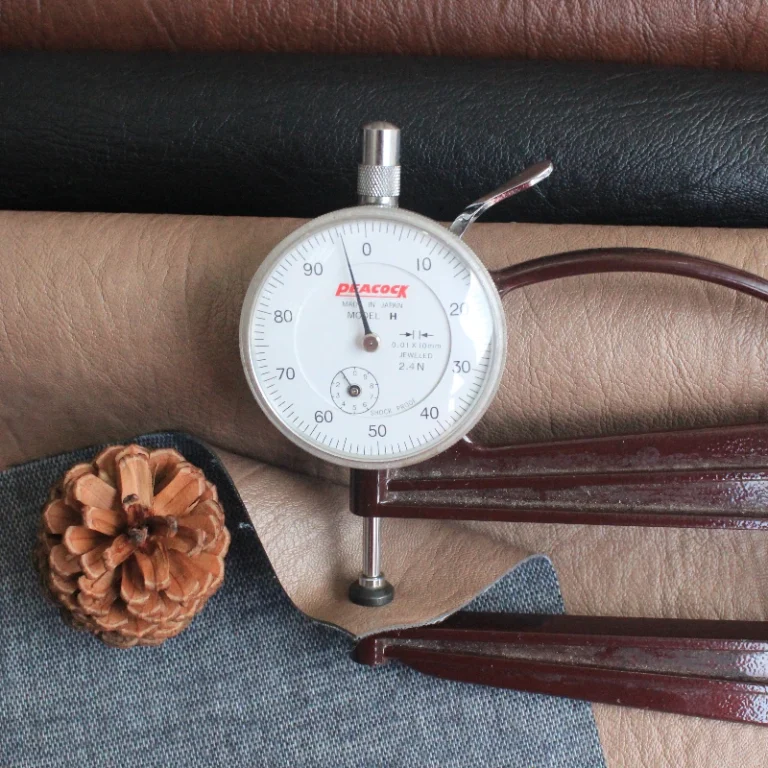
How to Choose PVC Tablecloth Material for Printing and Cleaning

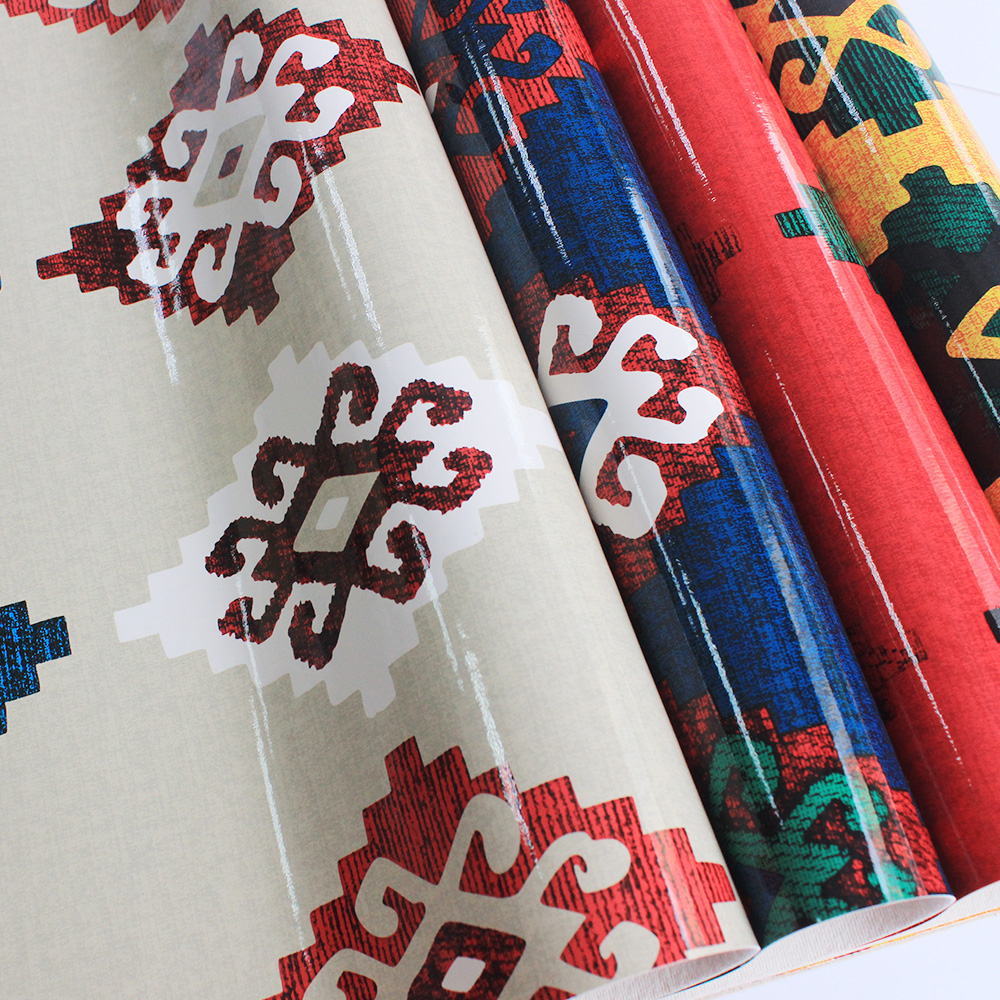
Printed PVC tablecloth material combines decoration with a surface that can be wiped during everyday use.
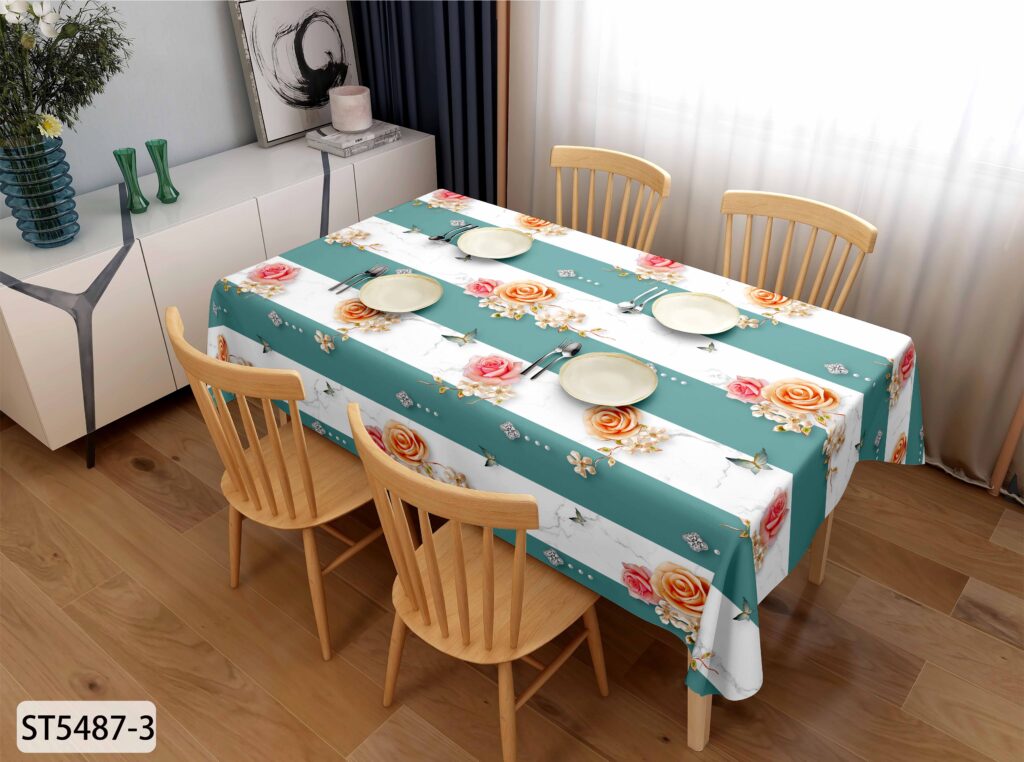
This makes it suitable for table covers where patterns, colors and easy maintenance are important. However, the material should be selected with both processes in mind: the surface must work with the intended printing method, and the finished print must remain suitable for normal cleaning.
The best way to evaluate the material is therefore to look at printing and cleaning as part of the same application.
Start with the Printed Surface You Want
The required visual result should be defined before selecting the PVC tablecloth material.
Some designs use large floral or geometric patterns, while others rely on small details, repeated motifs or multiple colors.
These designs do not interact with every surface in the same way.
A relatively smooth surface can make fine printed details easier to see. A stronger embossed texture creates a different visual effect because the print follows the texture of the material.
The choice depends on the intended tablecloth design rather than on one surface being universally better.
When evaluating a sample, consider:
- Pattern size
- Fine details
- Number of colors
- Background color
- Surface gloss
- Embossed texture
- Required visual consistency
Printing a small section of the actual design is more useful than judging the material from an unprinted swatch.
Surface Texture Changes the Appearance of Printing
Printing does not sit visually separate from the PVC surface.
The grain underneath influences how the finished pattern looks, especially when viewed from different angles.
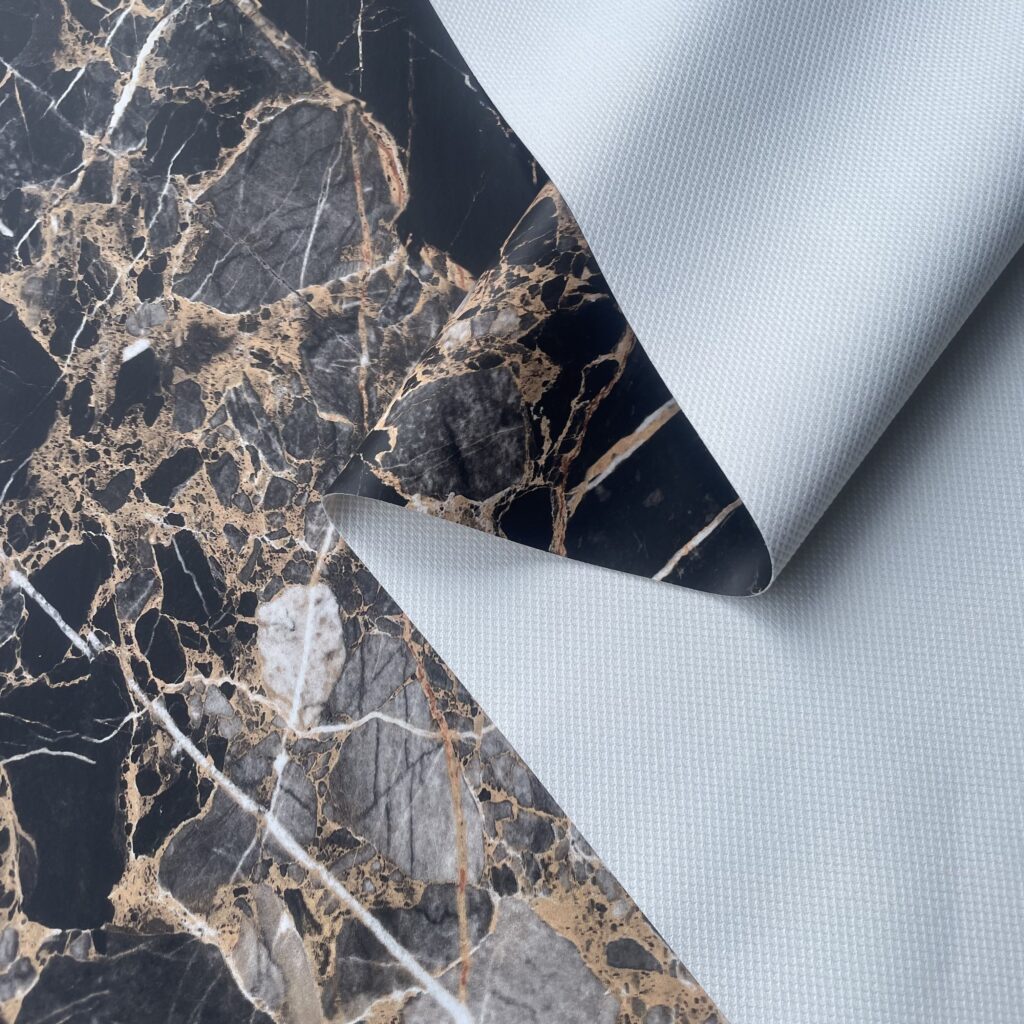
A smooth or fine-textured surface can create a cleaner printed appearance. A more pronounced texture may become part of the design and give the tablecloth a stronger decorative character.
Gloss also matters.
The same printed color can appear different on matte and glossy surfaces because light reflects differently from the material.
This is particularly important when a buyer needs to reproduce a specific design or maintain a consistent appearance across production batches.
For this reason, color approval should ideally be made on the actual PVC surface that will be used for production.
Think About Cleaning Before Approving the Print
Tablecloth material is regularly exposed to food, drinks and wiping.
A print that looks good immediately after production still needs to work with the intended cleaning routine.
The finished sample can be checked using representative stains and the cleaning method expected during normal use.
After wiping, inspect both the printed area and the surrounding surface.
| Check | What to Look For |
|---|---|
| Color | Visible fading or transfer |
| Printed pattern | Loss of detail or uneven appearance |
| Surface | Changes in gloss or texture |
| Stain | Whether visible residue remains |
| Wiping | Color transfer onto the cleaning cloth |
The test should use the cleaning method intended for the actual application.
A material described as wipeable should not automatically be assumed to tolerate every cleaner or chemical.
Printing and Cleaning Need to Be Evaluated Together
Printing changes the finished surface, so testing only the original PVC material does not provide the complete picture.
The useful sequence is:
PVC tablecloth material → Printing → Finished surface → Cleaning evaluation
This is especially important when changing the ink system, print design, surface finish or cleaning method.
For example, two tablecloth materials may both accept printing, but differences in surface texture can produce different print appearance and cleaning behavior.
Likewise, a design that performs well with one production process should not automatically be assumed to behave identically after another printing process is introduced.
The finished printed material is therefore the relevant sample for approval.
Approve a Production Sample Before Bulk Printing
Before bulk production, prepare a representative sample using the intended material, artwork and printing process.
The sample should contain important parts of the actual design, including fine details and major colors where possible.
Evaluate:
- Print definition
- Color appearance
- Pattern consistency
- Surface texture
- Wiping behavior
- Visible staining
- Color transfer during cleaning
- Overall appearance after repeated wiping
If several PVC tablecloth materials are being considered, print the same design on each sample. This makes differences in surface and print appearance much easier to compare.
The final decision should be based on the finished printed and cleaned material, rather than on the PVC tablecloth material before processing.