How to Choose Synthetic Leather for Contract Upholstery

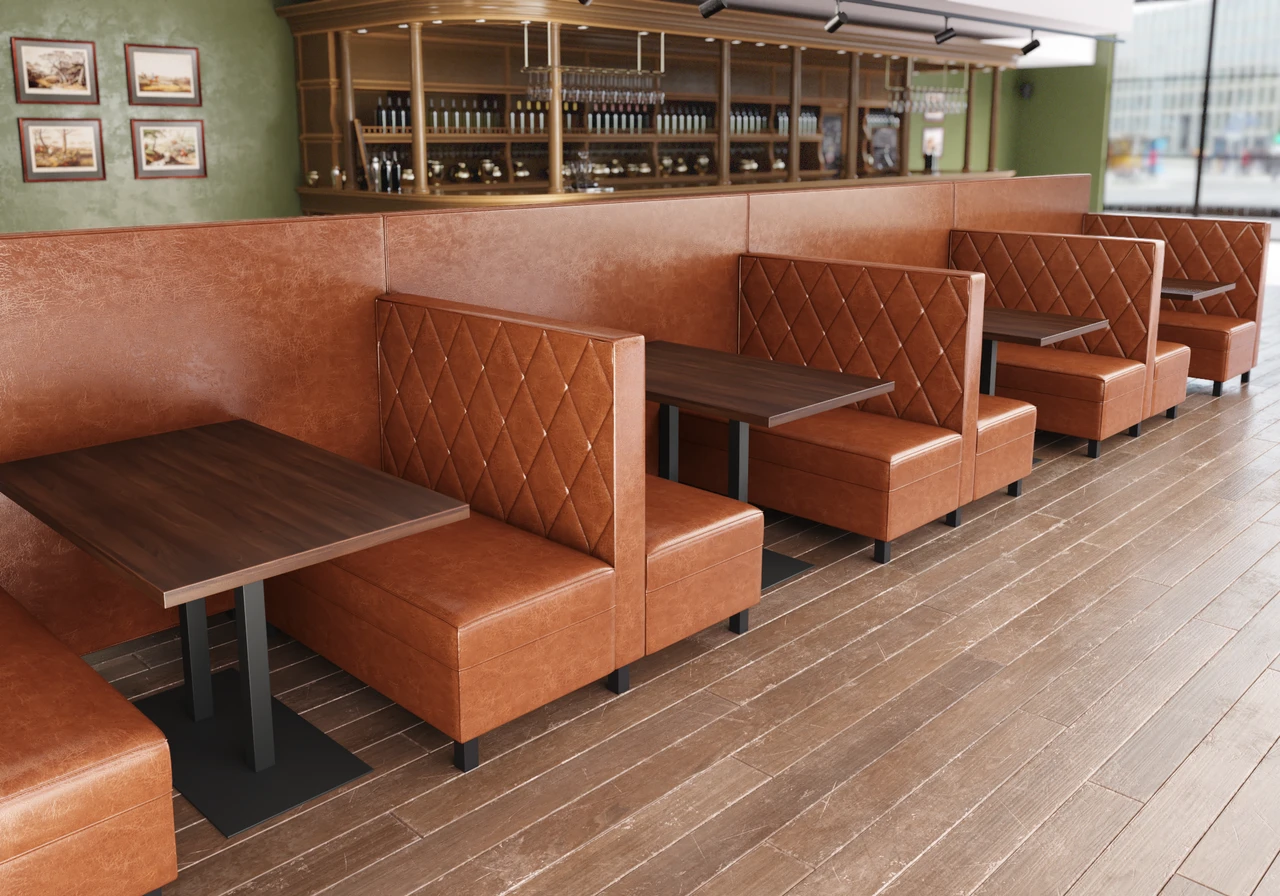
Contract upholstery is used in environments where furniture may experience frequent sitting, friction, cleaning and repeated daily use.
Hotels, restaurants, offices, reception areas and other commercial spaces can therefore place different demands on synthetic leather compared with lightly used residential furniture.
Choosing the right material requires looking beyond color and grain. Usage level, upholstery construction, cleaning requirements and material performance should all be considered before bulk production.
Start with the Contract Upholstery Application
The first step is to understand where and how the furniture will be used.
A hotel headboard, restaurant booth and office chair may all use synthetic leather, but the material is exposed to different conditions in each application.
| Application | Important Considerations |
|---|---|
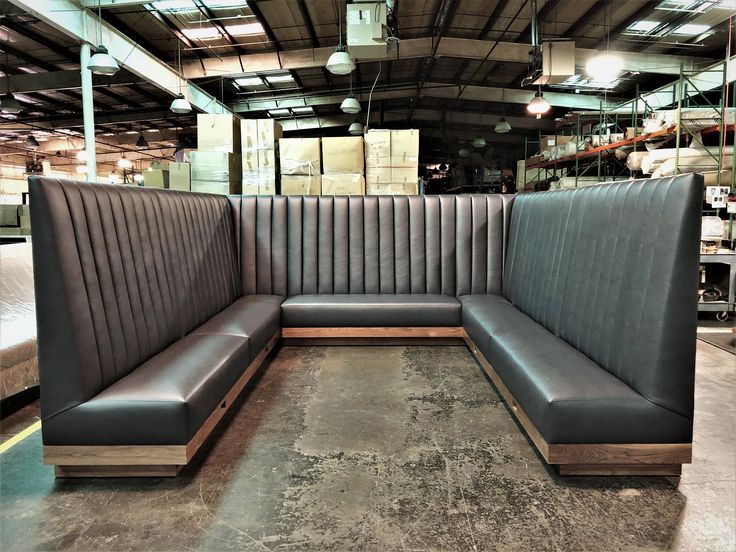
| Restaurant booths | Frequent contact, friction and cleaning |
| Office seating | Repeated sitting, movement and surface wear |
| Hotel seating | Appearance, comfort and maintenance |
| Reception furniture | Frequent use and visual consistency |
| Headboards and wall panels | Appearance and easier forming |
| Public-area seating | Frequent use and regular maintenance |
Areas that receive continuous body contact generally require more attention to wear and cleaning than decorative upholstered panels.
Defining the application first makes it easier to compare suitable material constructions.
Consider Abrasion, Tear and Upholstery Construction
Contract furniture can experience repeated friction as users sit down, move and stand up.
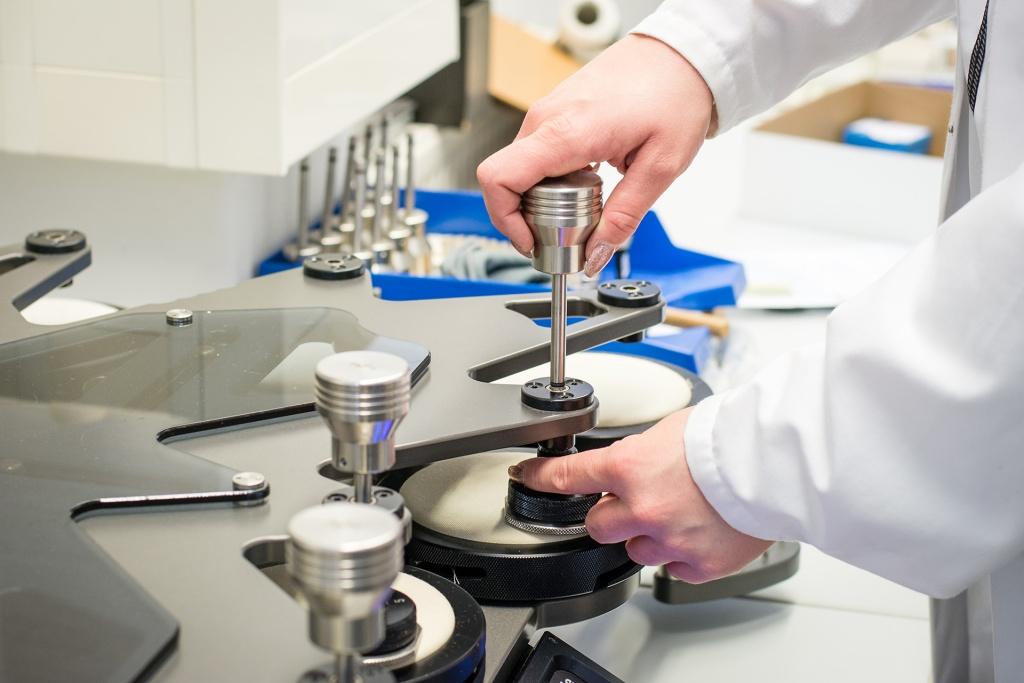
Abrasion testing can help evaluate how the surface responds to repeated rubbing. During evaluation, look for changes such as finish wear, color change, coating damage or exposure of the underlying material.
Tear behavior is also relevant, particularly around seams, edges and areas where the upholstery is under tension.
These properties should not be considered as isolated numbers. The required performance depends on the furniture design, usage conditions and project specification.
For a more detailed explanation, see How to Test Upholstery Leather for Abrasion, Tear and Cleaning.
Match Thickness, Backing and Flexibility
Synthetic leather must also work with the physical construction of the furniture.
Large flat panels, deeply curved cushions and tightly upholstered corners do not necessarily require the same material behavior.
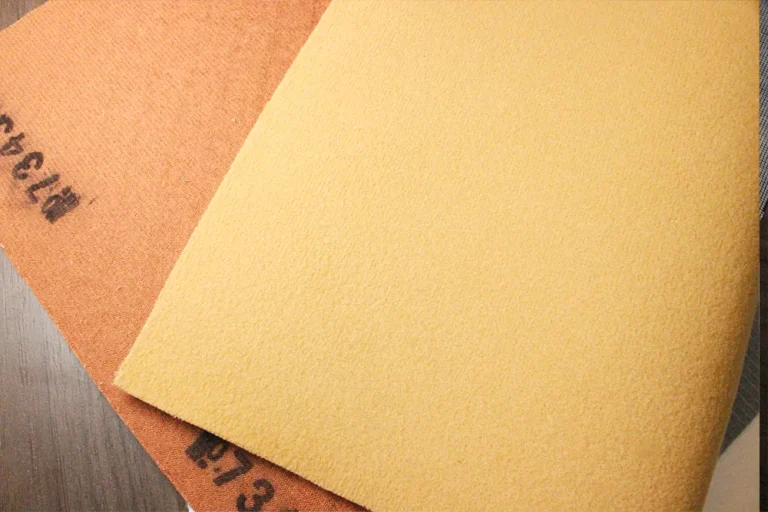
Thickness affects body and formability, while the backing contributes to flexibility, stretch and dimensional stability.
For example, a material used around curved foam sections needs to conform to the shape without creating excessive wrinkles or tension. A large seating panel may place more emphasis on stability.
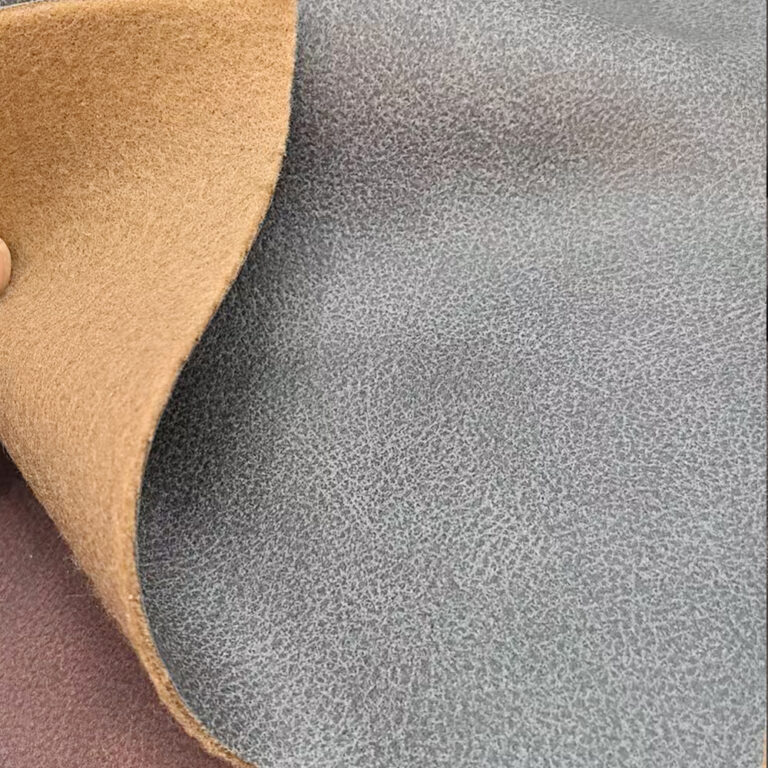
Common backing constructions include knitted, brushed, woven and other textile bases. Each can change how the finished synthetic leather behaves during upholstery.
For more information, see Common PVC Leather Backing Options.
Check Cleaning and Surface Finish
Cleaning is especially important for contract upholstery because commercial furniture may be maintained more frequently than residential seating.
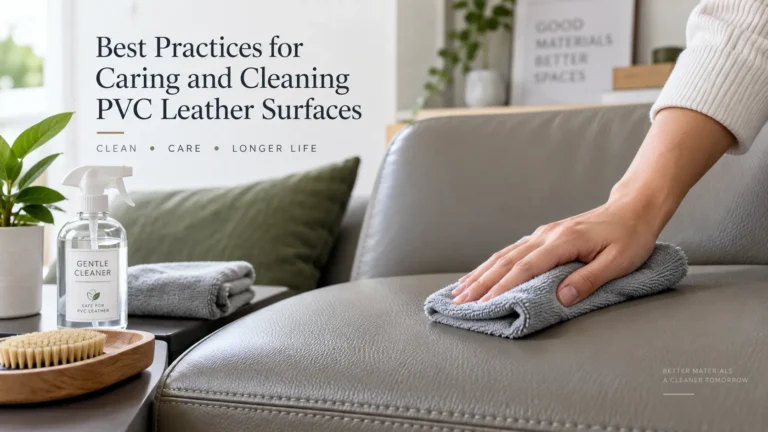
The selected surface should therefore be evaluated with the cleaning method expected in the actual project.
Apply the intended cleaner to a sample and repeat the wiping process. Then inspect the material for changes in:
- Color
- Gloss
- Surface texture
- Tackiness
- Grain appearance
- Coating condition
Different finishes can respond differently to repeated cleaning, so an “easy-clean” description should not replace testing with the actual maintenance method.
Surface grain also influences the visual result. Fine grains can create a clean, understated appearance, while stronger embossed patterns can produce a more textured decorative effect.
The choice should fit both the furniture design and its maintenance requirements.
Confirm the Material with a Production Sample
Before approving synthetic leather for a contract upholstery project, test it under conditions that represent actual production.
Cut and sew the material using the intended furniture construction. Where possible, upholster a representative cushion, chair section or other sample component.
Check how the material behaves around seams, foam, corners and areas under tension.
For higher-use applications, abrasion and tear testing can provide additional information. Xiangze Leather can perform abrasion and tear testing in-house when these evaluations are required.
For projects with specific performance requirements, buyers should provide the required test method, target specification and intended application before production.
A representative upholstery trial, combined with the relevant material tests, provides a more practical basis for material selection than choosing synthetic leather from appearance or thickness alone.