How to Choose Synthetic Leather for Office Chairs

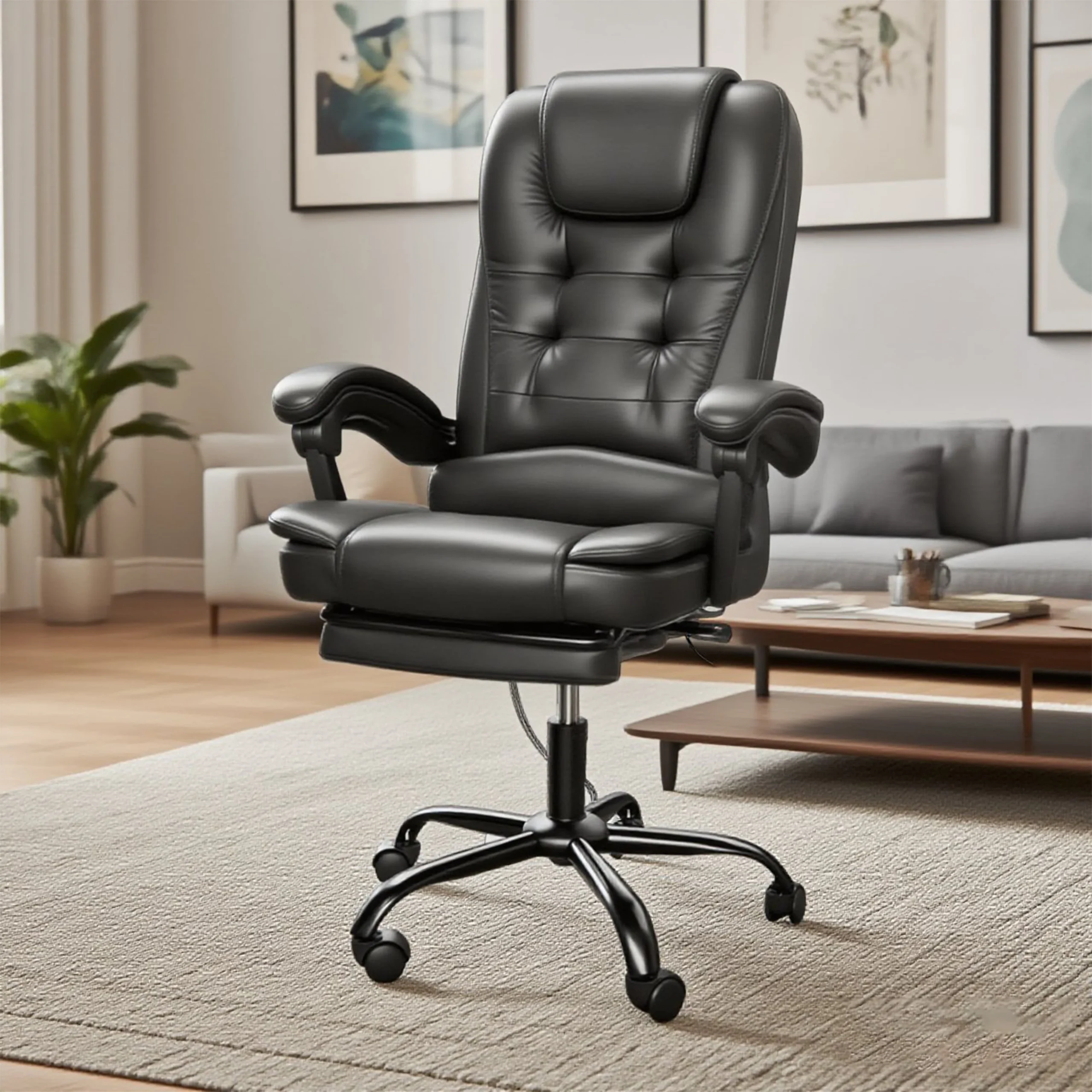
Office chair upholstery is exposed to repeated sitting, body movement, friction and regular cleaning. The synthetic leather therefore needs to do more than provide the right color and surface appearance.
When selecting synthetic leather for office chairs, consider how frequently the chair will be used, how the upholstery is constructed, and how the material will behave during both manufacturing and daily use.
Match the Material to the Chair and Usage
Not every office chair has the same upholstery requirements.
A chair used occasionally in a home office may experience very different conditions from seating used every day in an office, meeting room or other commercial environment.
The upholstered area also matters. Seat cushions, backrests, armrests and decorative panels experience different levels of pressure and friction.
| Application | Main Considerations |
|---|---|
| Seat cushion | Repeated pressure, friction and surface wear |
| Backrest | Flexibility, appearance and comfort |
| Armrest | Frequent contact and cleaning |
| Side panels | Formability and appearance |
| Commercial office seating | Frequent use and maintenance |
Instead of selecting material by appearance alone, start with the expected use of the chair.
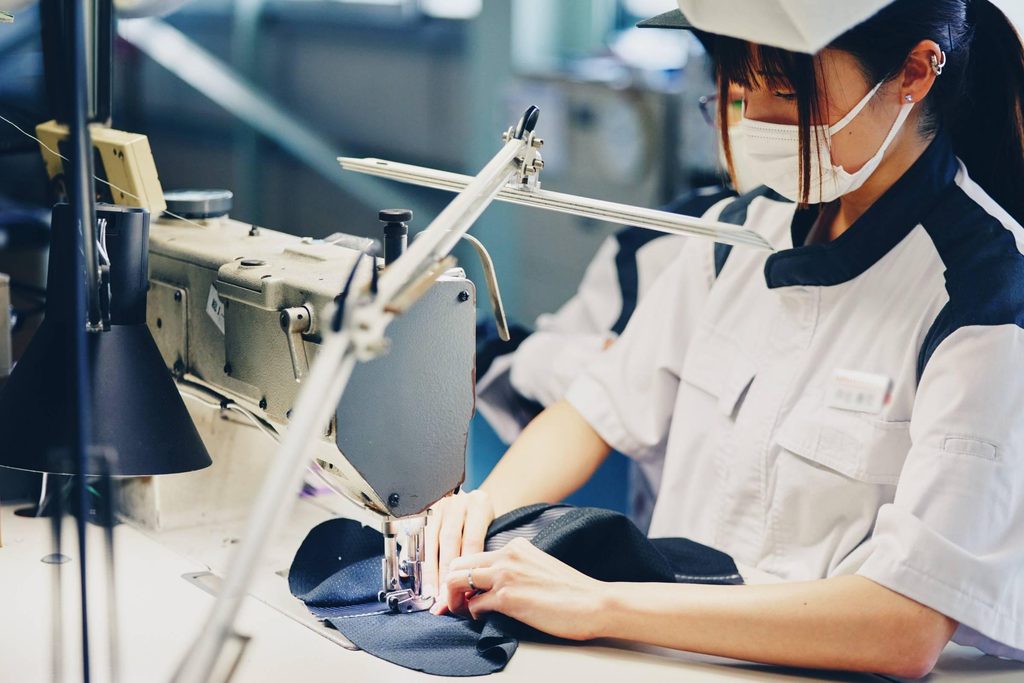
Consider Thickness, Flexibility and Hand Feel
Synthetic leather for an office chair must conform to foam and curved upholstery components without becoming unnecessarily stiff.
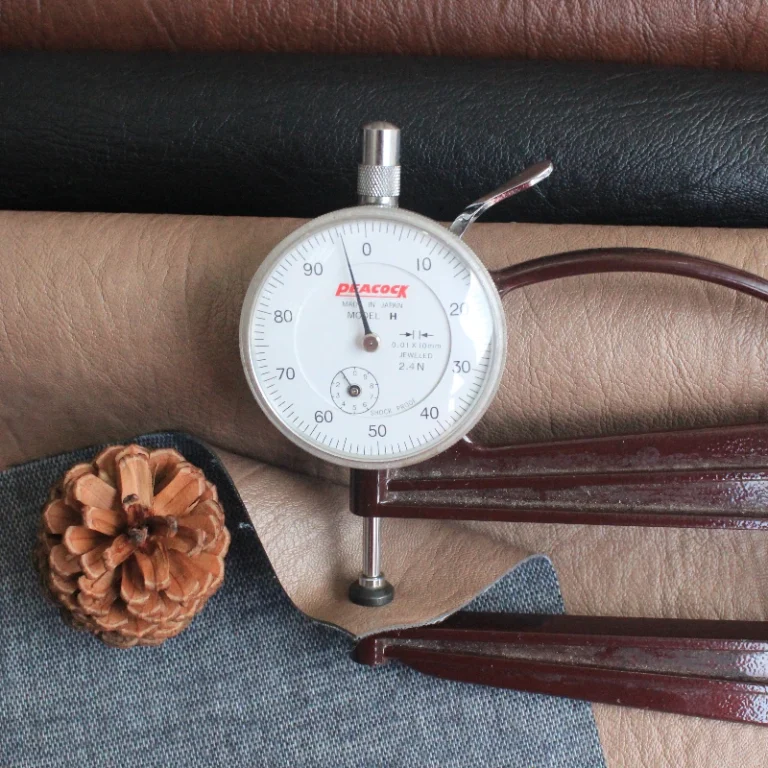
A thicker construction can provide more body, while a thinner construction may conform more easily to tight curves. However, thickness alone does not determine whether a material is suitable.
The coating construction and backing fabric also influence softness, stretch and overall hand feel.
For this reason, two materials with the same nominal thickness can behave differently during upholstery.
A useful sample evaluation is to wrap the material around foam and curved edges similar to those used in the actual chair. This gives a better indication of upholstery behavior than evaluating a flat swatch alone.
Pay Attention to the Backing Fabric
The backing is the structural layer underneath the synthetic leather surface.
It can affect dimensional stability, stretch, flexibility and the way the material responds when pulled around the chair structure.
Knitted, brushed, woven and other textile backings can produce different material characteristics. The appropriate construction depends on the chair design and manufacturing process.
For example, upholstery with pronounced curves may require different flexibility from large, relatively flat chair panels.
For a more detailed explanation of backing constructions, see Common PVC Leather Backing Options.
Choose the Surface for Wear and Cleaning
Office chairs are frequently touched and may need regular wiping, particularly in shared working environments.
Surface selection should therefore consider both appearance and maintenance.
Smooth and fine-grain surfaces can create a clean office-furniture appearance, while different embossed grains can provide different visual and tactile effects.
More importantly, buyers should evaluate how the selected finish responds to the cleaning method that will actually be used.
A cleaning trial can be performed on a sample using the intended cleaner and wiping method. After repeated cleaning, check for changes in:
- Color
- Gloss
- Surface texture
- Tackiness
- Coating appearance
For frequently used office seating, abrasion and tear behavior may also be relevant. See How to Test Upholstery Leather for Abrasion, Tear and Cleaning for a more detailed testing approach.
Test the Leather on an Actual Chair Sample
The final decision should ideally be made after an upholstery trial.
A sample can reveal whether the material stretches and conforms properly around foam, corners, seams and other structural areas.
Check the material during cutting, sewing and upholstery, then inspect the finished chair for wrinkles, excessive tension and surface changes.
For higher-use applications, abrasion and tear testing can provide additional information. Xiangze Leather can perform abrasion and tear testing in-house when these evaluations are required.
Combining material specifications with an actual chair trial provides a more reliable basis for selecting synthetic leather than choosing by thickness, grain or color alone.