How Backing Fabric Affects Synthetic Leather for Shoe Uppers

When choosing synthetic leather for shoe uppers, buyers often focus first on the surface: color, grain, gloss, thickness, and hand feel. However, the fabric underneath the coating can be just as important.
The backing fabric affects how synthetic leather bends, stretches, holds its shape, and behaves during cutting, stitching, folding, and bonding. Two materials with a similar surface and thickness can therefore perform differently when different backing fabrics are used.
Understanding this relationship makes it easier to select synthetic leather for different footwear constructions.
Why Backing Fabric Matters for Shoe Uppers
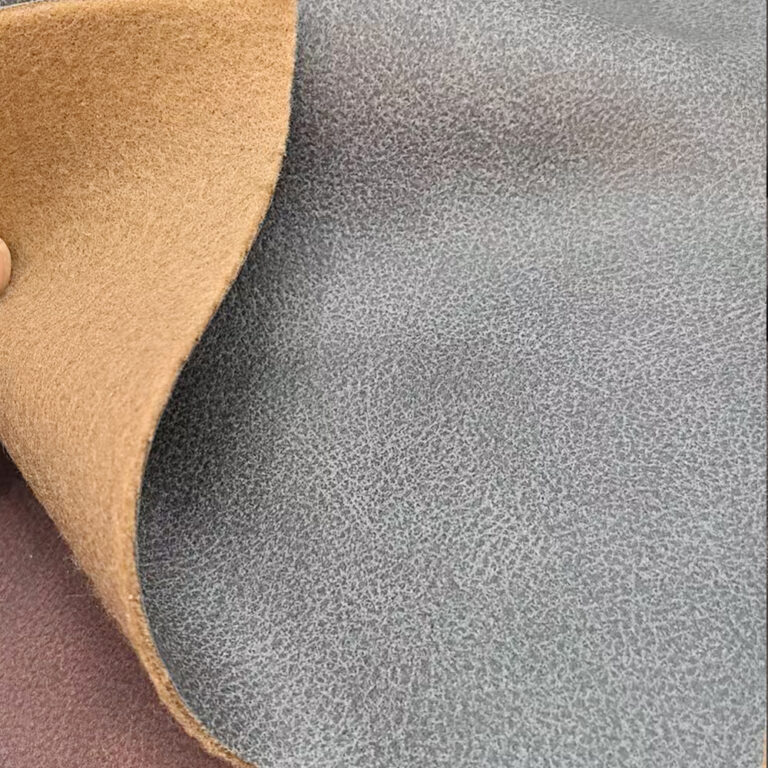
Synthetic leather is a composite material. The surface coating provides the appearance and many surface characteristics, while the textile backing helps support the material.
For shoe uppers, the backing can influence several practical properties:
| Property | How the Backing Can Affect It |
|---|---|
| Flexibility | Influences how easily the upper bends and folds |
| Stretch | Helps determine how much the material moves during forming |
| Shape Stability | Affects how well the upper maintains its dimensions |
| Strength | Provides textile reinforcement beneath the coating |
| Hand Feel | Changes the overall softness and body of the material |
| Processing | Influences cutting, stitching, folding and bonding behavior |
This is why thickness alone does not provide enough information when comparing shoe upper materials.
A 1.0 mm synthetic leather with a flexible knitted backing, for example, may behave quite differently from another 1.0 mm material using a more stable textile construction.
Common Backing Fabrics for Shoe Upper Leather
Several backing constructions can be used depending on the required footwear design and material performance.
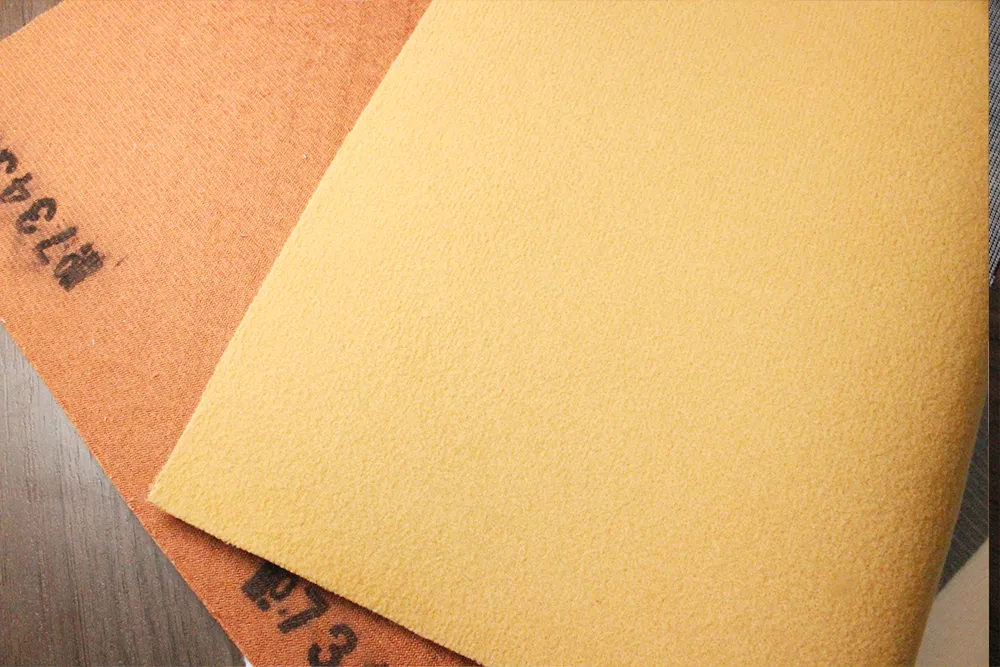
Knitted backing provides good flexibility and can adapt well to curved footwear components. It is useful when the upper needs to bend naturally during manufacturing and wear.
Brushed fabric backing provides a softer textile surface on the reverse side and can add body to the material. Different brushed constructions can produce noticeably different hand feels.
Woven backing generally offers greater dimensional stability because of its structured yarn arrangement. It can be considered when controlling stretch is more important.
Stretch backing is used when additional movement is required. Depending on the textile construction, stretch may be directional or multidirectional.
There are many additional backing constructions used in synthetic leather production. For a broader overview, see Common PVC Leather Backing Options.
How Backing Changes Flexibility and Stretch
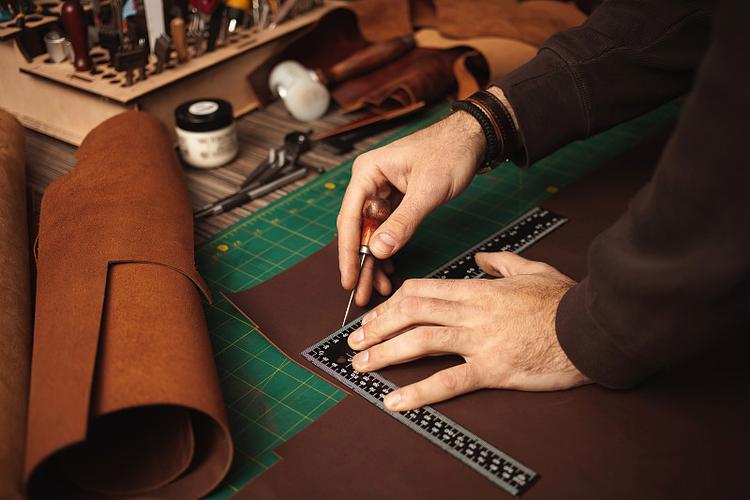
Flexibility is particularly important for footwear because the upper repeatedly bends while walking.
The coating itself contributes to flexibility, but the textile underneath determines how the complete material responds to movement.
A flexible backing allows the synthetic leather to conform more easily to curved shapes. This can be useful around the vamp, sides, and other areas where the upper needs to follow the shape of the shoe.
Stretch requires separate consideration.
Some upper constructions benefit from controlled movement during forming, while excessive stretch can make dimensional control more difficult during cutting and assembly.
The objective is therefore not simply to choose the backing with the greatest stretch. The backing should provide the amount and direction of movement required by the particular shoe design.
How Backing Affects Shoe Manufacturing
Backing selection also influences what happens after the material reaches the footwear factory.
During cutting, a stable backing can help maintain the dimensions of upper components.
During stitching, the textile layer provides support around the needle penetration points.
During folding, the combination of coating and backing determines how easily edges can be turned and formed.
During lasting and shaping, flexibility and stretch influence how the upper conforms to the required three-dimensional form.
During bonding, the reverse surface of the material can also affect adhesive processing, so compatibility should be evaluated with the actual adhesive and production method.
Because footwear factories use different equipment and processes, a backing that works well for one upper construction may not automatically be the best choice for another.
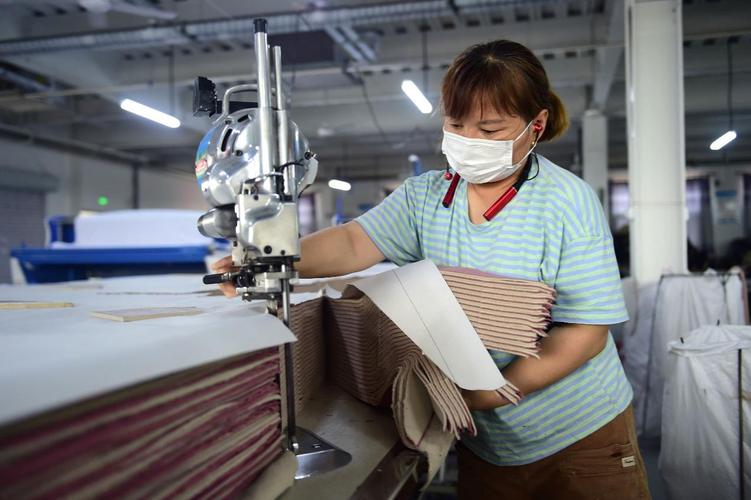
Choose the Backing According to the Shoe Design
There is no single backing fabric that is best for every synthetic leather shoe upper.
The selection should begin with the finished footwear and manufacturing process.
For flexible casual shoes, manufacturers may prioritize softness and easy bending. More structured footwear may require greater dimensional stability. Designs involving significant forming may require controlled stretch, while lightweight footwear may place more emphasis on keeping the complete material thin and flexible.
Before bulk production, it is useful to evaluate the complete synthetic leather rather than the backing in isolation. Buyers can check the surface, thickness, backing construction, flexibility, stretch, cutting behavior, stitching, folding, and bonding using the actual shoe design.
For additional material options, explore our PVC Leather for Footwear & Garments range and compare different surface and backing constructions for your shoe upper application.