Embossed vs Printed PVC Leather: What Is the Difference?

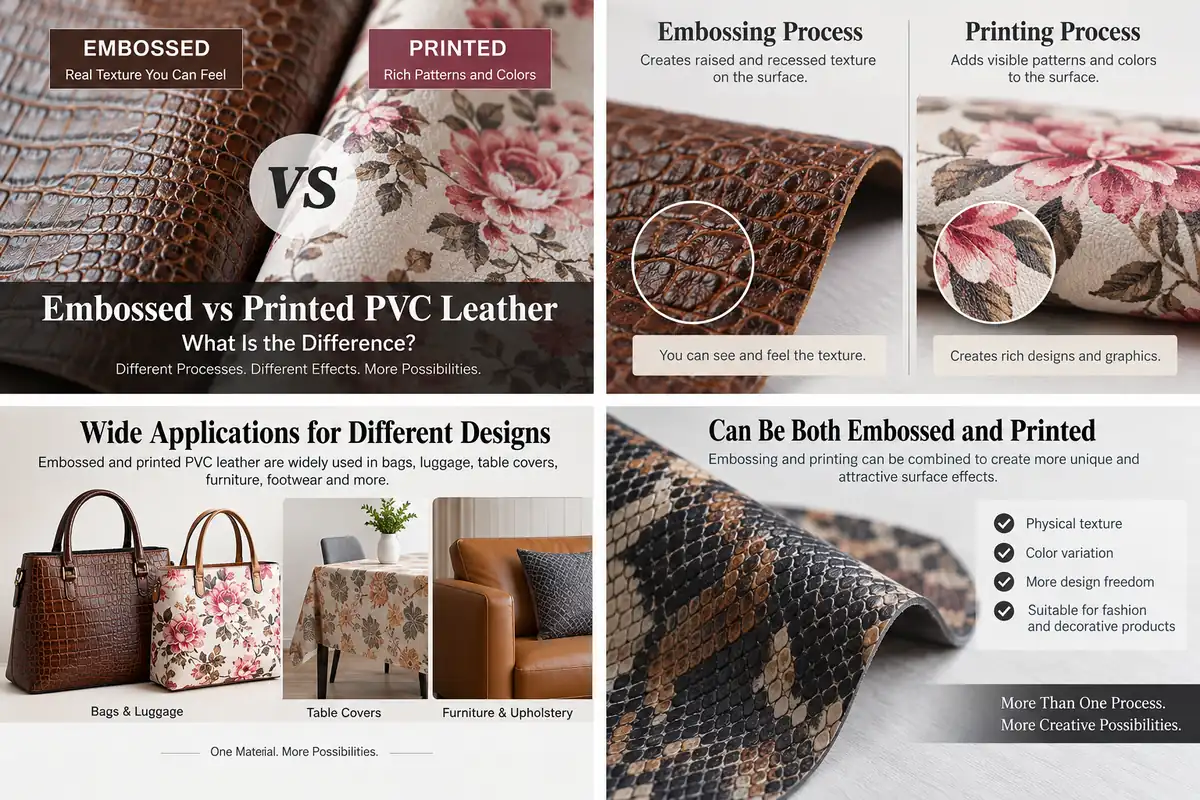
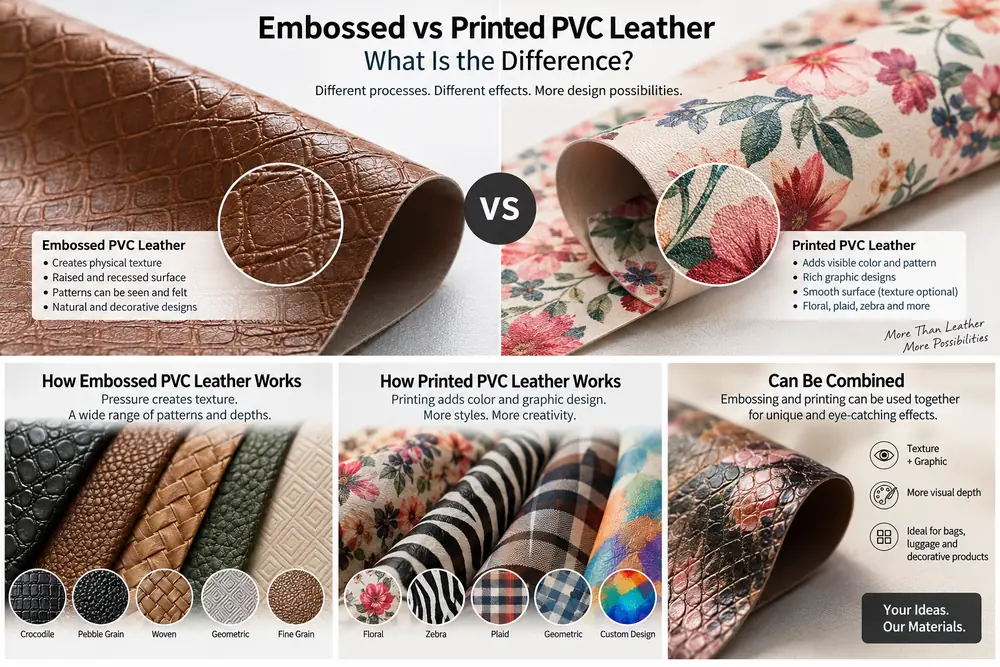
Embossed and printed PVC leather can both create decorative surfaces, but they do not describe the same manufacturing process.
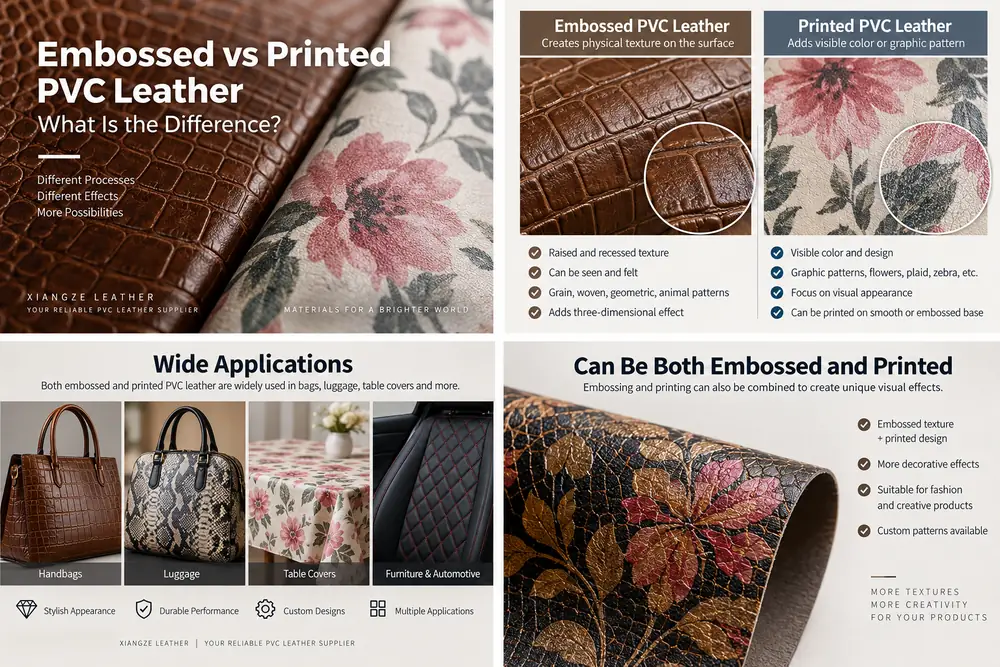
Embossing changes the physical texture of the surface.
Printing adds a visible color, graphic or decorative pattern to the surface.
This distinction is important for B2B buyers because two materials can display a similar design while having very different surface structures.
A crocodile, woven or geometric effect can be created mainly through embossing, while floral, plaid, zebra or multicolor graphics may rely more heavily on printing.
Some PVC leather can also combine both processes.
For example, a material may first receive an embossed woven texture and then use printing to add color variation or decorative detail.
For purchasing and production approval, buyers should therefore identify whether the requirement is:
- Physical texture
- Printed appearance
- Or a combination of both
Xiangze Leather supplies PVC Leather Materials with embossed, printed and combined surface constructions for bags, luggage, table covers, decorative products and other manufacturing applications.
What Embossing and Printing Actually Change
The easiest way to understand the difference is to look at what each process changes on the material.
Embossing Changes Surface Relief
Embossing creates raised and recessed areas on the PVC leather surface.
The pattern can usually be seen and felt when you run your fingers across the material.
Depending on the embossing design, the surface may imitate:
- Fine natural grain
- Litchi grain
- Pebble grain
- Crocodile pattern
- Snake pattern
- Woven texture
- Basket weave
- Geometric pattern
- Floral texture
- Linear grain
- Other decorative textures
The result is a three-dimensional surface.
The depth can range from very subtle micro-grain to strongly pronounced decorative embossing.
Printing Changes Visible Surface Design
Printing primarily changes what you see rather than creating the main three-dimensional texture.
Printed designs can include:
- Flowers
- Plaid
- Checkered patterns
- Zebra stripes
- Multicolor graphics
- Abstract patterns
- Decorative motifs
- Custom graphics
A printed PVC leather may still have a grain underneath.
For example, a floral image may be printed over a fine embossed base surface.
The important distinction is that the decorative image itself comes primarily from color or print rather than only from physical relief.
Surface Process Is Different from Surface Finish
Embossed and printed should normally be considered Surface Process terms.
They describe how the surface effect is created.
Surface Finish describes how the completed surface looks.
Examples of Surface Finish include:
- Matte
- Glossy
- Two-tone
- Metallic
- Distressed
A material can therefore be:
Embossed + Matte
Embossed + Glossy
Printed + Matte
Printed + Glossy
or:
Printed + Embossed + Metallic
This is why a complete PVC leather specification should not use “embossed,” “printed” and “glossy” as if they were interchangeable descriptions.
How Embossed PVC Leather Creates Texture
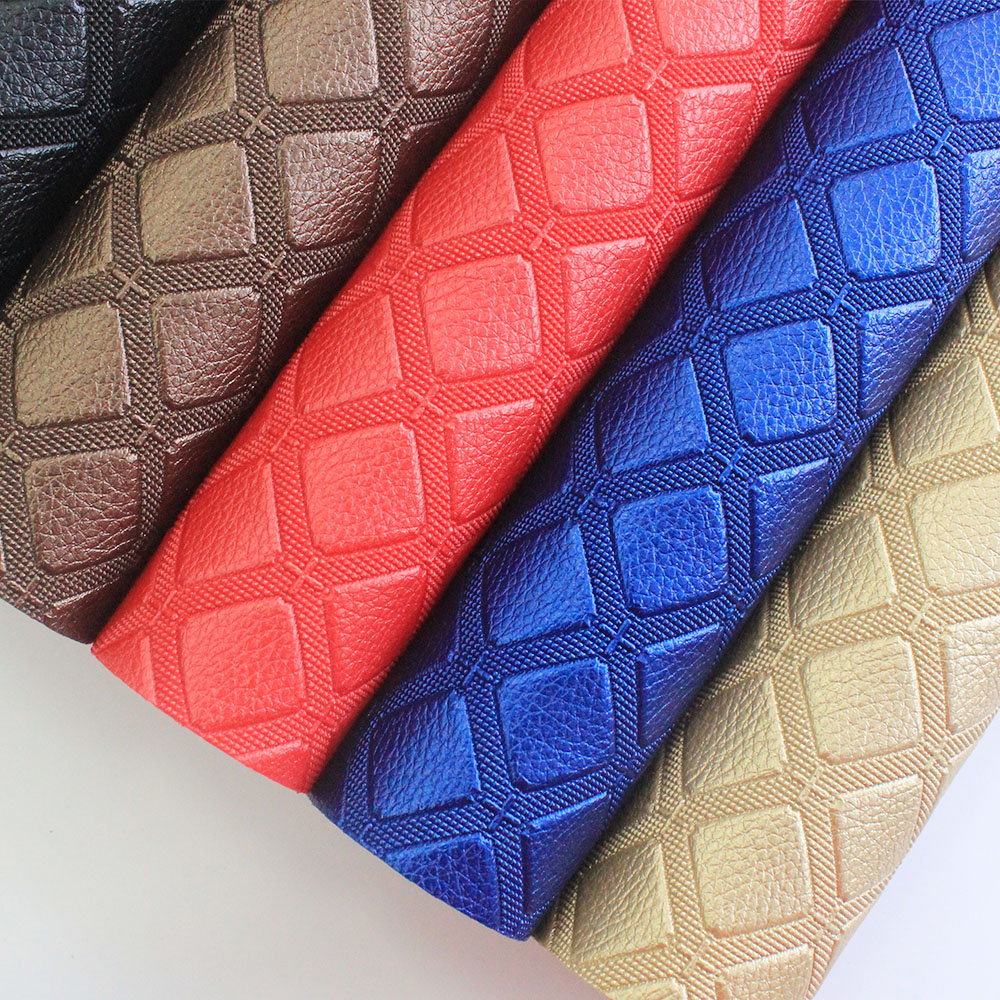
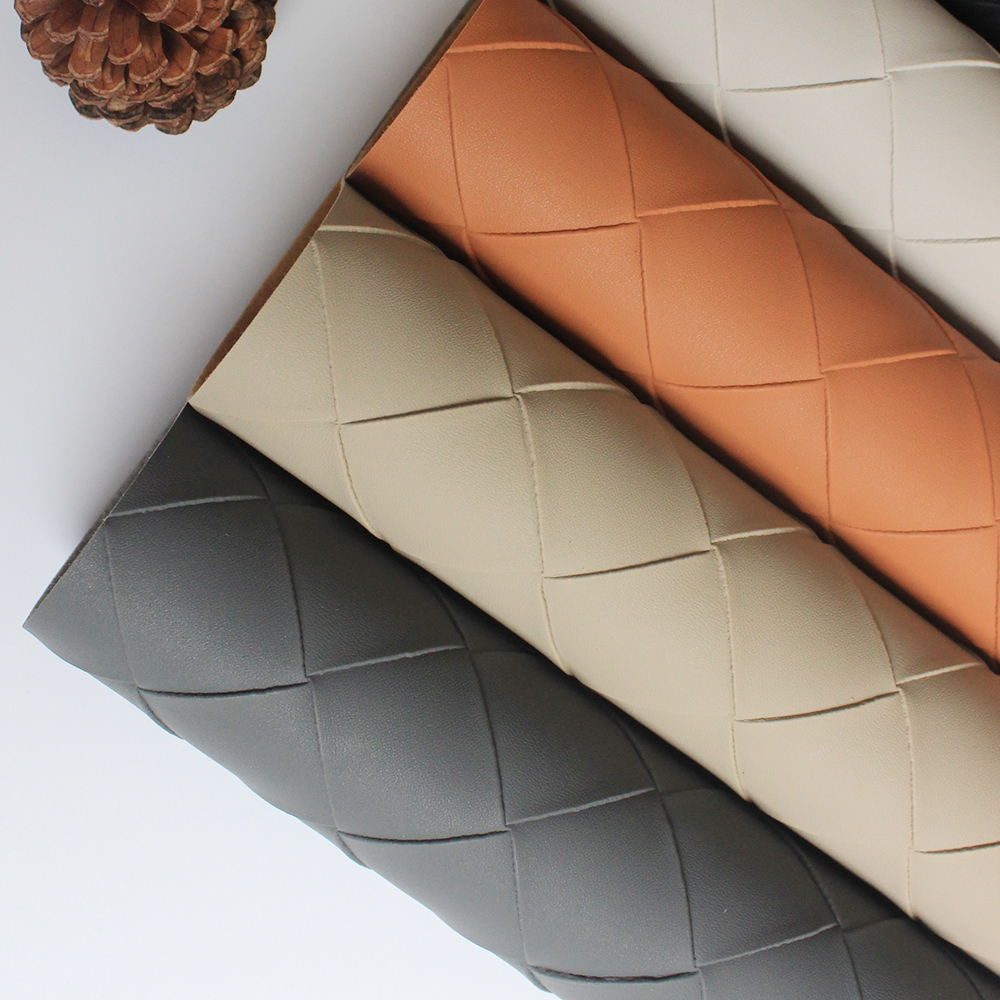
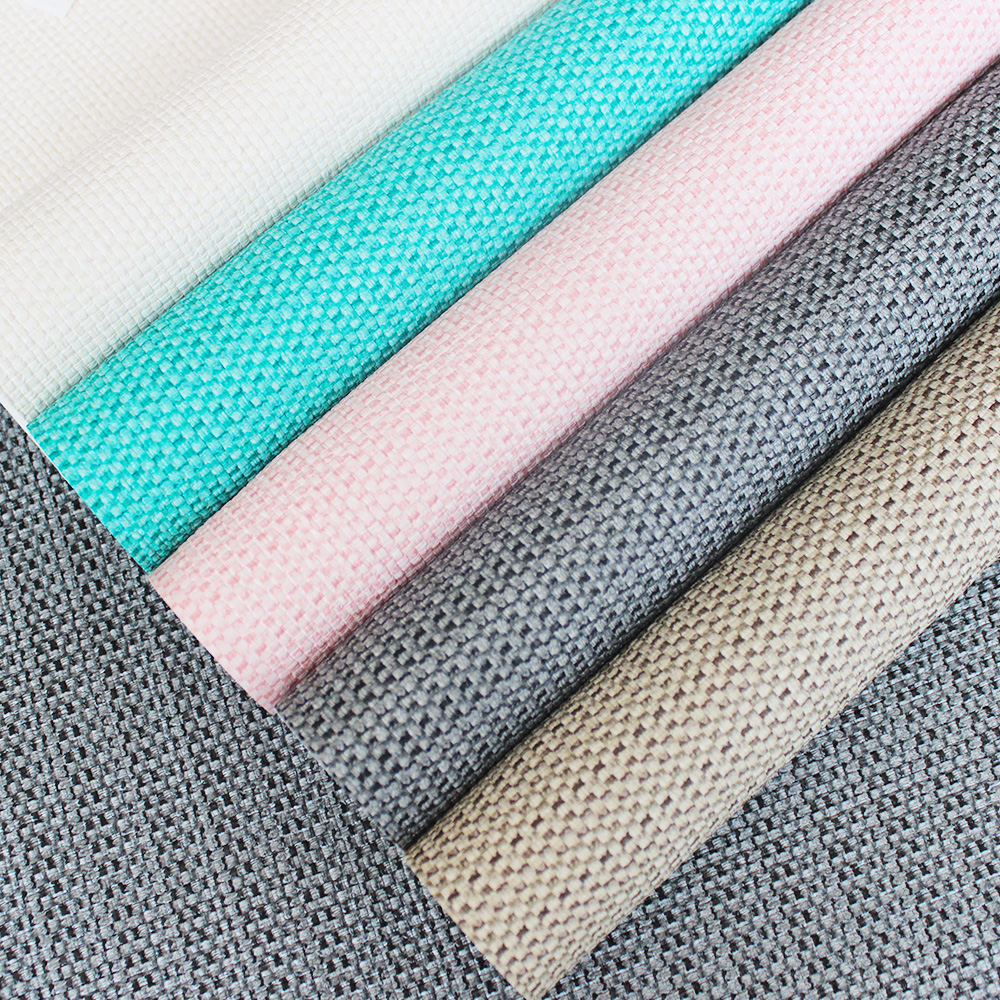
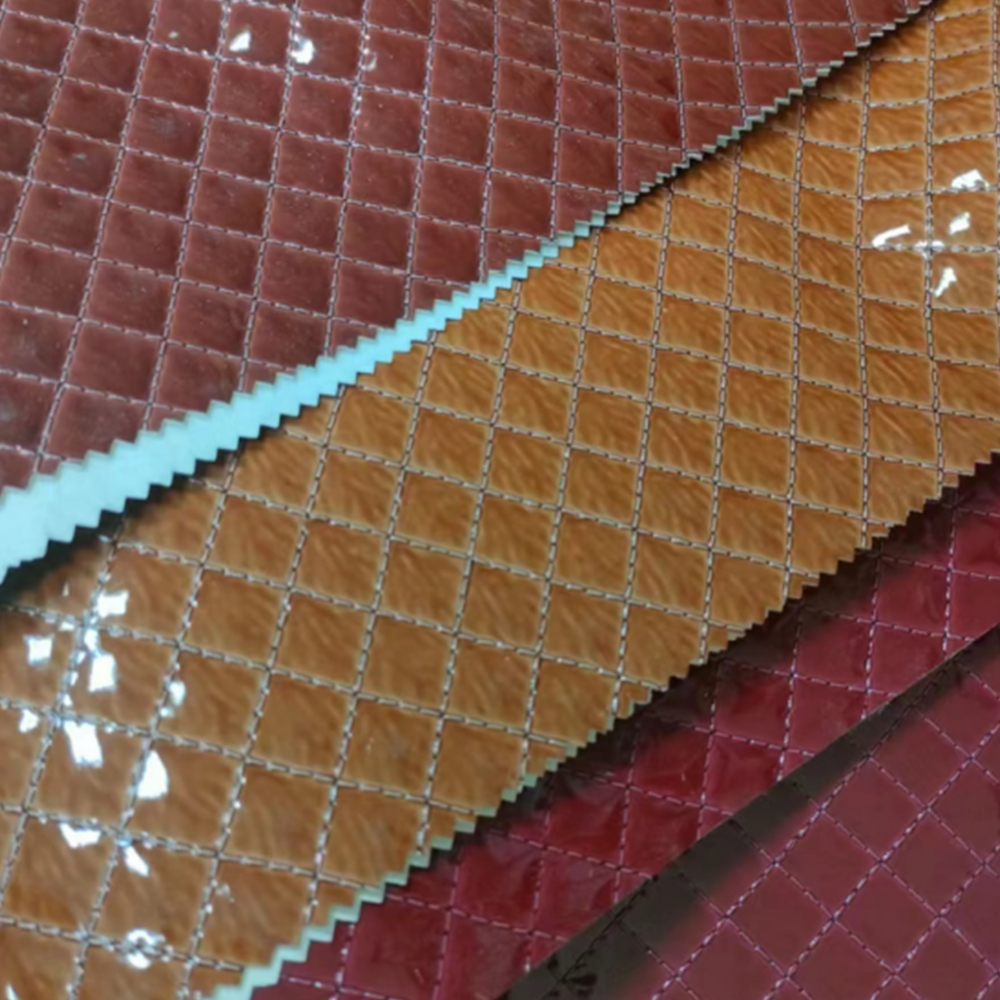
Embossed PVC leather uses pressure and a patterned surface to transfer a physical texture into the PVC surface.
In industrial production, the embossing pattern determines the visible grain structure.
Embossing Can Create Natural or Decorative Patterns
Some embossed surfaces are intended to imitate natural leather.
Examples include:
- Fine grain
- Litchi grain
- Pebble grain
- Wrinkle grain
Other embossing patterns are deliberately decorative.
Examples include:
- Basket weave
- Woven texture
- Geometric patterns
- Diamond patterns
- Floral embossing
- Crocodile and other animal-inspired textures
Xiangze Leather has a dedicated Embossed Leather for Bags category for materials where the embossed structure is a major part of the product differentiation.
Embossing Depth Affects Appearance
The same general pattern can look very different depending on embossing depth.
A shallow embossing may appear:
- Subtle
- Refined
- Less directional
A deeper embossing may appear:
- More dimensional
- More decorative
- More visible from a distance
- Stronger on larger product panels
For B2B purchasing, approving only a grain name is usually not enough.
For example:
Woven Embossed PVC Leather
does not define exactly:
- Pattern size
- Embossing depth
- Direction
- Gloss
- Color
- Backing
A physical sample remains the best reference.
Pattern Scale Matters
Embossing scale should match the finished product.
Small grain patterns can work well for:
- Wallets
- Small handbags
- Shoe components
- Smaller decorative pieces
Larger or more pronounced patterns can work well for:
- Tote bags
- Backpacks
- Luggage
- Furniture panels
- Larger decorative products
The important factor is how much of the repeating pattern appears on each cut component.
Embossing Can Change the Visual Character Without Printing
A single-color PVC leather can already have strong decorative character simply through embossing.
For example, a solid black material with basket-weave embossing can appear very different from a solid black material with fine grain.
This makes embossing especially useful where buyers want texture without using complex printed graphics.
How Printed PVC Leather Creates Decorative Patterns
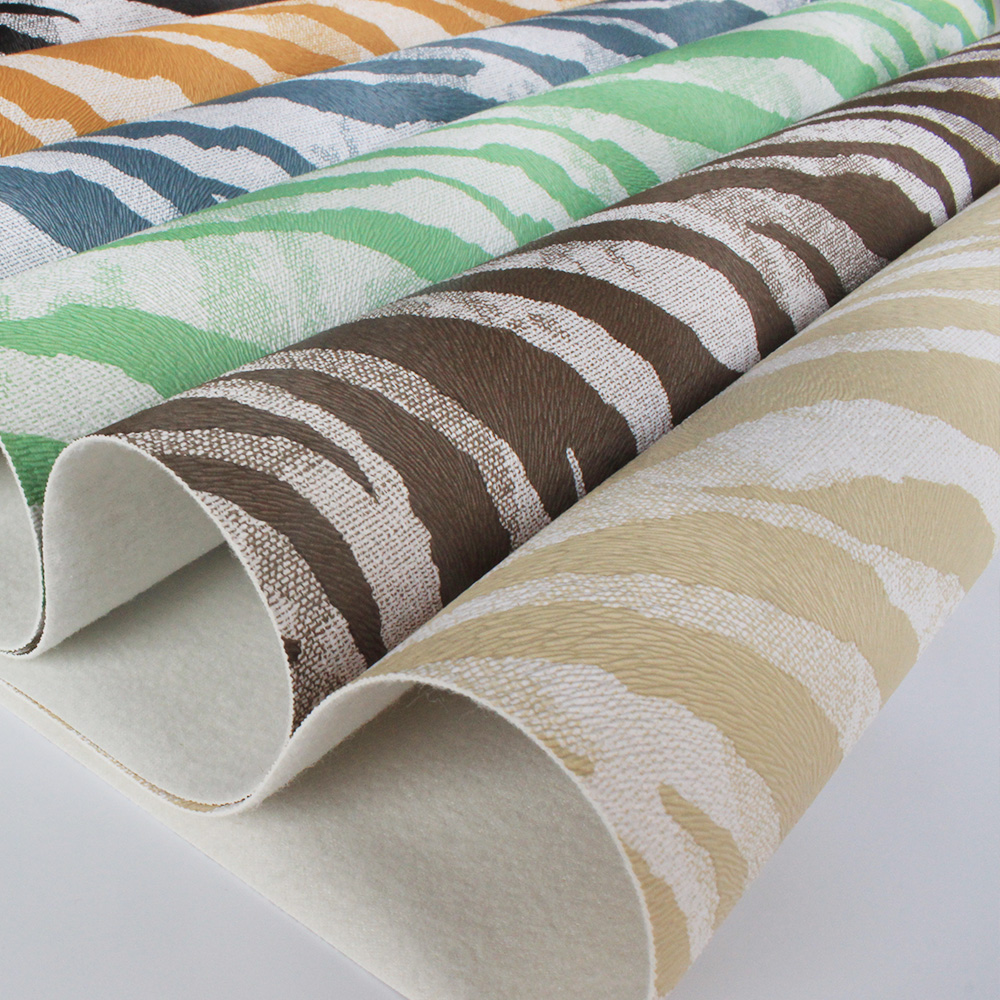
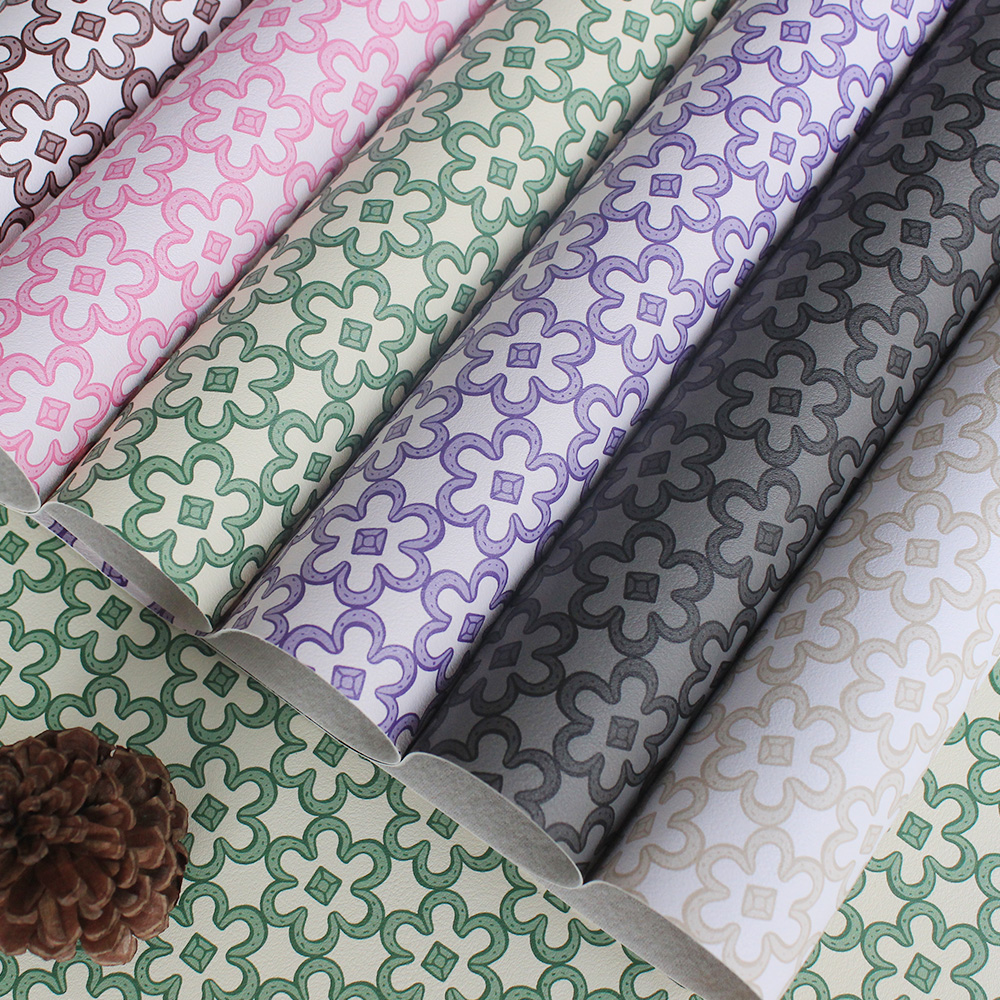
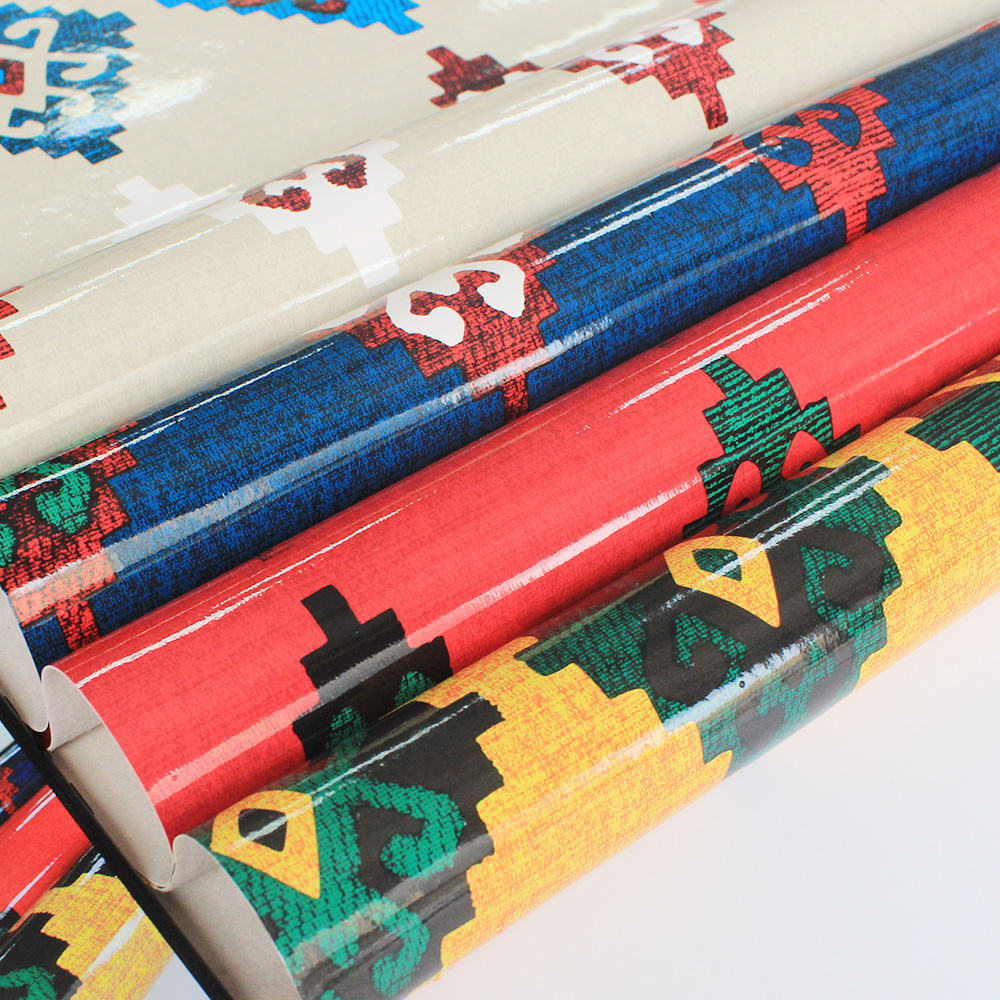
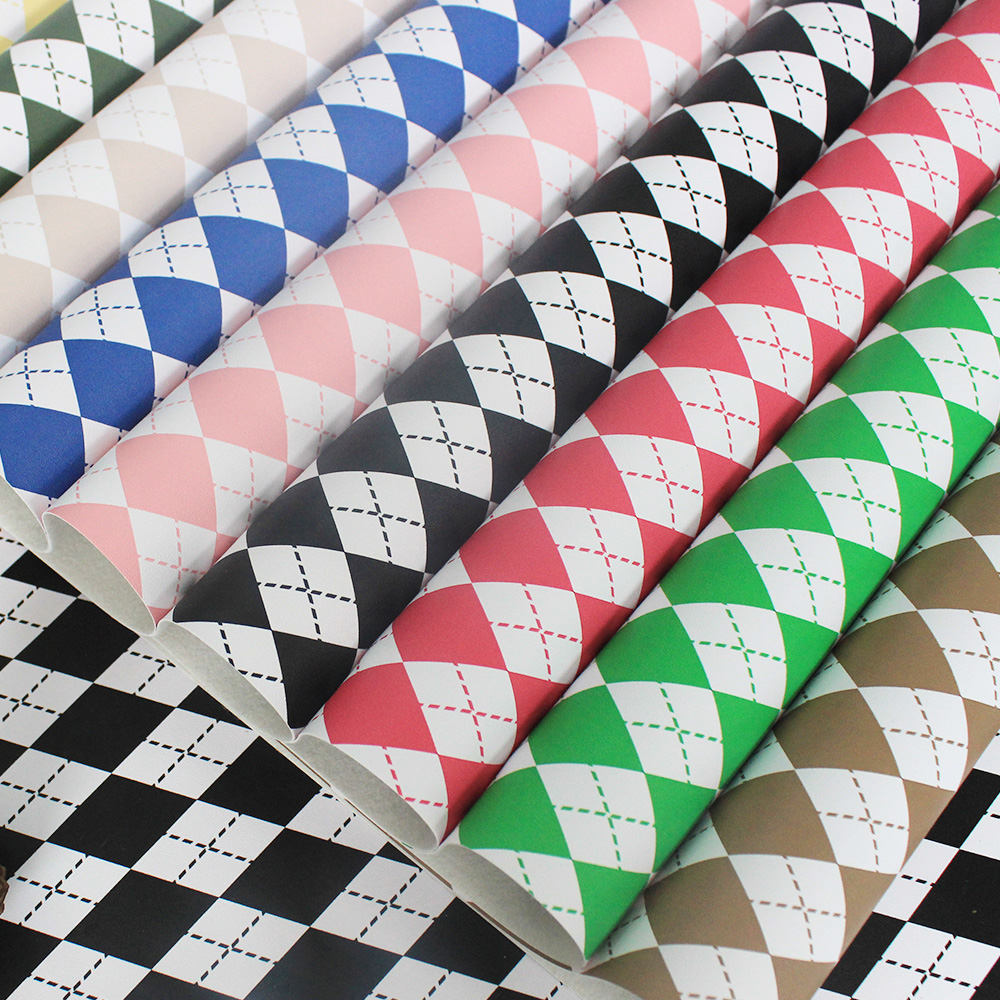
Printed PVC leather uses color or graphic design to create a visible pattern on the surface.
Unlike embossing, the main design does not depend entirely on raised and recessed texture.
Printing Allows More Graphic Variety
Printing is particularly useful when the required design includes several visual elements or colors.
Examples include:
- Floral patterns
- Zebra patterns
- Plaid designs
- Geometric color blocks
- Decorative illustrations
- Repeating graphic patterns
- Customized designs
Xiangze Leather has a dedicated Printed Leather for Bags category for bag and luggage materials where printing is a major visual feature.
Printed surfaces are also common in decorative applications such as Tablecloth Leather.
Printing Can Use an Embossed Base
Printed PVC leather does not have to be completely smooth.
The material underneath the print can already contain:
- Fine grain
- Litchi texture
- Woven texture
- Other embossed structures
This means the final surface can combine physical texture with printed color.
The buyer may see:
texture + graphic
at the same time.
When this occurs, both characteristics should be recorded in the specification.
For example:
Surface Process: Printed + Embossed
is more accurate than calling the material only “printed leather.”
Printed Patterns Depend More on Visual Repeat
Printed materials should be evaluated across a sufficiently large sample.
A small swatch may not show:
- Full pattern repeat
- Color distribution
- Pattern direction
- Graphic scale
- Variation across the roll
This is particularly important for:
- Table covers
- Large bags
- Luggage
- Decorative surfaces
The actual cut panel should be considered when selecting the print scale.
Custom Printing Requires Clear Reference Files
For a customized printed pattern, the buyer may need to provide:
- Design artwork
- Physical reference sample
- Color reference
- Pattern repeat size
- Direction
- Finished-product dimensions
A pattern that looks balanced on a computer screen may appear too large or too small once printed across the actual PVC leather roll.
Physical sampling before bulk production is therefore recommended.
Can PVC Leather Be Both Embossed and Printed?
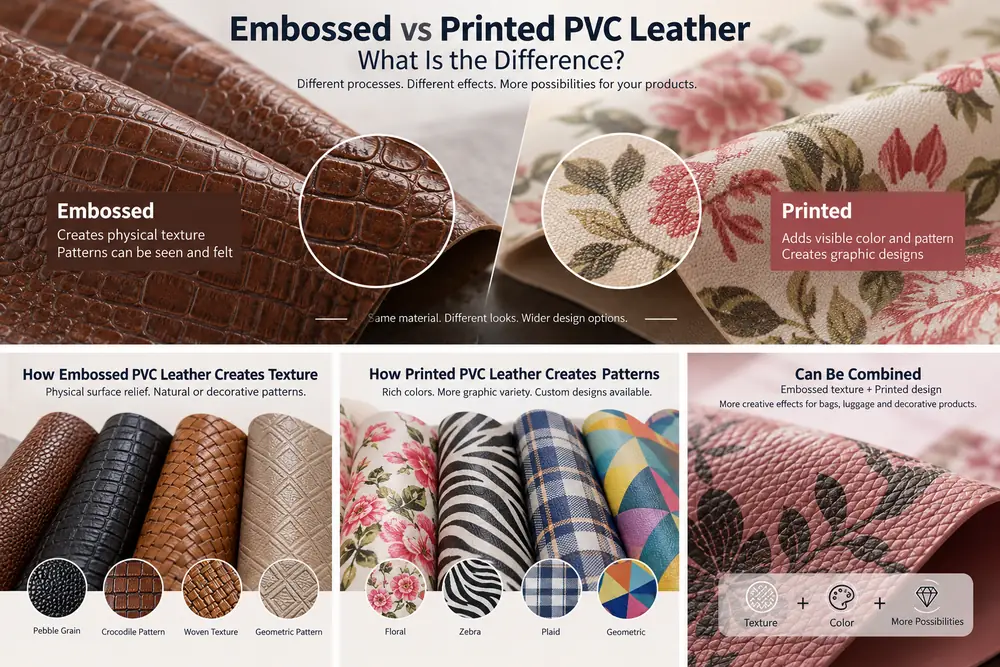
Yes.
Embossing and printing are not mutually exclusive.
A PVC leather surface can use both processes to create a more complex visual effect.
This is an important point because many products cannot be classified accurately by looking only at one attribute.
Emboss First, Then Add Visual Detail
A material may use embossing to create physical surface texture and printing to add:
- Contrast
- Pattern
- Color variation
- Highlighting
- Decorative effects
For example, a woven surface may be physically embossed and then printed with contrasting colors.
This produces a material that has both:
three-dimensional texture
and:
two-dimensional color or graphic detail
Xiangze’s product data already includes materials where the recorded Surface Process is Printed, Embossed, showing that the two processes can be used together in one construction.
Two-Tone Effects Can Also Emphasize Embossing
A similar principle applies to some two-tone surfaces.
Color variation across raised and recessed grain areas can make the embossed texture appear deeper.
However, two-tone finish should not automatically be described as printing unless printing is actually part of the production process.
The correct terminology should follow the actual material construction.
Classify by the Main Product Feature
When organizing products for a B2B website, it is usually useful to classify the material according to its main commercial feature.
If the strongest differentiation is a physical woven or geometric texture, it may fit better under Embossed Leather.
If the main customer-facing feature is a floral or graphic design, it may fit better under Printed Leather.
For example, Xiangze’s product-category optimization specifically moved a floral printed product from Embossed Leather into Printed Leather because printing is the main product feature.
This keeps category intent clearer for buyers.
Embossed vs Printed PVC Leather for Different Applications
Neither process is automatically better.
The correct option depends on the visual effect and manufacturing application.
A simple comparison is:
| Feature | Embossed PVC Leather | Printed PVC Leather |
|---|---|---|
| Main Effect | Physical surface texture | Visible color or graphic |
| Surface Relief | Usually important | May be secondary |
| Pattern Type | Grain, woven, geometric, animal texture | Floral, plaid, graphic, multicolor |
| Touch | Texture can usually be felt | Print itself may have limited physical relief |
| Visual Depth | Created mainly by embossing | Created mainly by color/design |
| Custom Graphics | More limited by embossing pattern | More flexible |
| Pattern Scale | Depends on embossing roller/design | Depends on printed repeat |
| Can Combine With Other Process? | Yes | Yes |
Bags and Luggage
Both processes are widely useful for bags.
Embossed leather can create:
- Structured woven surfaces
- Geometric textures
- Strong leather-like grain
- Decorative relief
Printed leather can create:
- Floral bags
- Zebra patterns
- Plaid designs
- Multicolor fashion effects
For manufacturers, the choice depends largely on whether texture or graphic appearance should be the dominant design element.
See Bag & Luggage Leather for the broader application category.
Table Covers and Decorative Products
Printed PVC leather is particularly useful for large decorative surfaces where a visible repeated graphic is required.
Examples include:
- Table covers
- Decorative mats
- Surface coverings
- Household decorative products
Embossed patterns can also be used, but they create texture rather than complex multi-color artwork.
Fashion Applications
Printed PVC leather gives designers more freedom to introduce graphic themes.
Embossed PVC leather gives designers more control over tactile texture.
The two can also be combined when a fashion product needs both.
Production Performance Depends on More Than the Surface Process
Embossing or printing does not by itself determine:
- Tear strength
- Abrasion resistance
- Flexibility
- Stretch
- Sewing performance
- Thickness
- Backing
- Adhesive compatibility
These properties depend on the complete PVC leather construction.
A buyer should therefore avoid assuming that one process is always more durable than the other.
The relevant performance requirements should be tested on the actual material.
How B2B Buyers Should Choose and Approve the Material
The first decision should be based on the design objective.
Choose embossed PVC leather when physical texture is the main requirement.
Choose printed PVC leather when color graphics or decorative patterns are the main requirement.
Choose a combined printed and embossed construction when the product requires both.
Define the Main Visual Requirement
Ask:
- Do we need physical texture?
- Do we need a graphic pattern?
- Do we need multiple colors?
- Should the surface feel strongly textured?
- Does the pattern need to be visible from a distance?
- Does the finished product require a specific visual repeat?
These questions usually make the process choice clearer.
Approve a Large Enough Sample
Do not approve decorative materials from only a very small swatch.
The sample should be large enough to evaluate:
- Embossing scale
- Print repeat
- Pattern direction
- Color
- Surface finish
- Overall appearance
This is especially important for luggage, large bags and table-cover materials.
Confirm the Complete Construction
After selecting the surface process, also confirm:
- Material type
- Thickness
- Width
- Backing
- Color
- Surface finish
- Hand feel
- Stretch
- Processing behavior
The Common PVC Leather Backing Options guide explains why backing should be considered separately from the surface design.
Produce a Representative Trial
Whenever practical, cut and manufacture the material using the actual product design.
Check:
- Pattern positioning
- Grain direction
- Sewing
- Folding
- Edge appearance
- Graphic alignment
- Finished-product visual balance
The best material is not simply the one with the most attractive flat sample.
It is the one whose surface process, material construction and pattern scale work together on the finished product.
Xiangze Leather supplies both embossed and printed PVC leather for bag, luggage, decorative and other manufacturing applications. Buyers can provide an existing sample, artwork or product reference so suitable embossing patterns, printed designs and material constructions can be compared before bulk production.

About Xiangze Leather
Written by Xiangze Leather Editorial Team
Xiangze Leather supplies PVC synthetic leather for furniture upholstery, bags, footwear, automotive interiors, motorcycle seats and decorative applications. Material samples, specification options and quotation support are available according to project requirements.