PVC & Synthetic Leather Backing Fabrics: Types, Structures and Applications

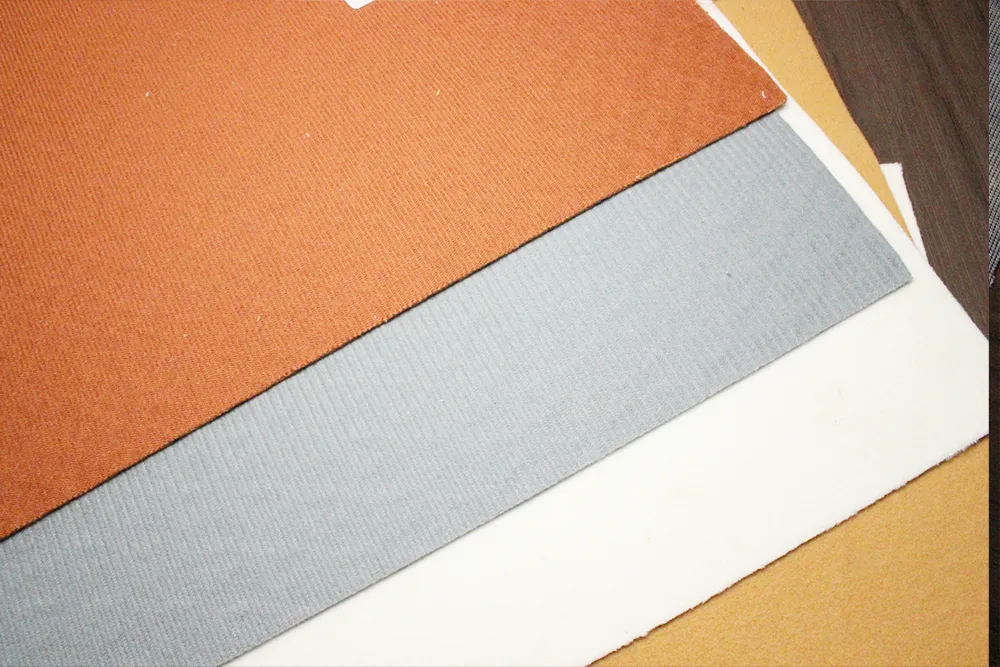
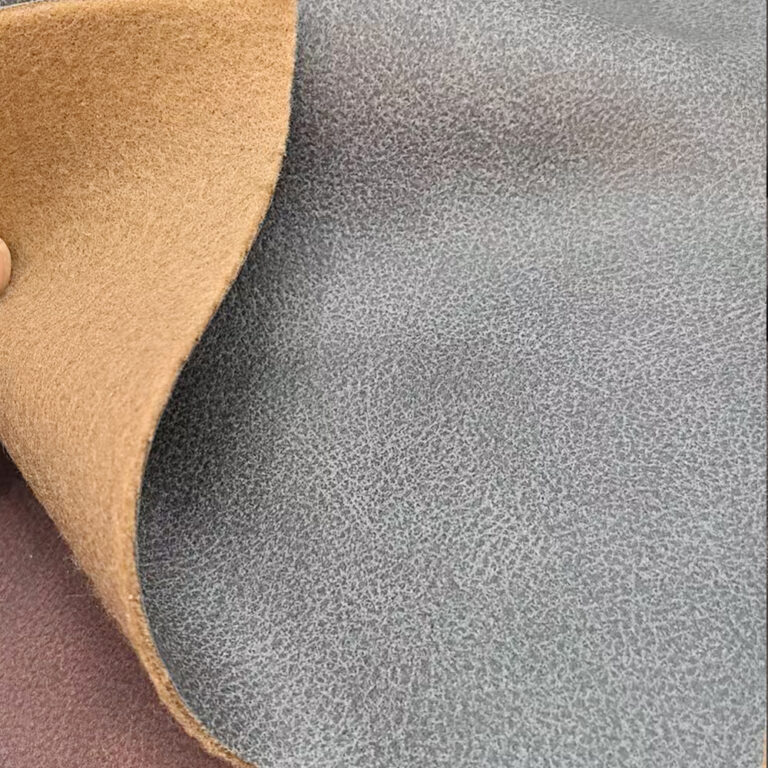
PVC synthetic leather is a composite material. While buyers often focus first on color, grain, finish and thickness, the fabric beneath the PVC layers is also an important part of the material construction.
This layer is commonly called the backing fabric, base fabric or textile substrate.
Different backing structures can change how PVC leather stretches, bends, holds its shape, wraps around curves and behaves during cutting, sewing and bonding. Two materials with a similar surface appearance may therefore behave differently in production because their backing fabrics are different.
Backing fabrics are also described in several different ways. Some names refer to the textile structure, such as knitted, woven or nonwoven. Others describe a surface treatment, yarn specification or functional characteristic, such as brushed, terry, 150D or four-way stretch.
Understanding these differences makes it easier to compare PVC leather specifications and select a suitable construction for the finished product.
For a broader introduction to coated synthetic leather construction, see our What Is PVC Synthetic Leather? buyer’s guide.
What Is a PVC Leather Backing Fabric?
A typical PVC synthetic leather may contain several layers:
Surface finish
↓
PVC decorative or embossed layer
↓
PVC support or foam layer, depending on the construction
↓
Textile backing or specialty substrate
The PVC layers create most of the visible characteristics of the material, including color, grain, gloss and surface finish. The backing provides textile support beneath these layers.
Depending on its construction, the backing can influence:
- flexibility and drape;
- stretch and recovery;
- dimensional stability;
- material body;
- folding behavior;
- sewing and seam processing;
- conformity around curved surfaces;
- bonding and lamination behavior.
However, the backing name alone does not define final performance. Fiber composition, yarn size, fabric weight, density, knitting or weaving structure, surface finishing and the complete PVC construction all need to be considered together.
For example, two knitted fabrics may have very different stretch levels, while two terry backings may differ substantially because of yarn specification and knitting density.
Another important distinction is that foam is not a textile backing category. Foam may be laminated between the PVC surface and textile backing to add cushioning or body, but the underlying textile should still be identified separately.
Main Types of Synthetic Leather Backing Fabrics
At the structural level, most textile backings used in synthetic leather can be organized into three main groups: knitted, woven and nonwoven fabrics. Some materials, such as recycled leather fiber bases, are better treated as specialty substrates rather than conventional textiles.
| Main Type | Basic Structure | General Characteristics | Examples in Our Sample Library |
|---|---|---|---|
| Knitted Backing | Interlocking yarn loops | Flexible, adaptable, available in many stretch and surface constructions | Circular knit, terry, mesh, brushed, fleece, stretch |
| Woven Backing | Warp and weft yarns crossing each other | Generally more structured and dimensionally stable | Oxford fabric |
| Nonwoven Backing | Fibers formed into a web without conventional yarn loops | Uniform fibrous structure; properties depend strongly on bonding method | Spunlace, needle-punched |
| Special Substrate | Fiber sheet or composite construction | Used when a conventional knitted, woven or nonwoven textile is not required | Recycled leather fiber base |
This classification is important because many commercial names do not describe the same technical level.
For example:
- Knitted describes how the fabric is formed.
- Brushed or napped describes a surface finishing treatment.
- Four-way stretch describes stretch behavior.
- 75D or 150D describes yarn linear density.
- Terry, pique or fish-scale describes a more specific textile construction or appearance.
- Single-needle and double-needle are commonly used factory specification terms and should not be treated as universal textile categories.
The most useful approach is therefore to identify the main textile structure first and then describe the more specific construction or finishing.
Common Backing Fabrics Used in PVC Synthetic Leather
Standard Knitted Backing
Knitted backing is widely used because looped yarn structures can provide flexibility and allow the finished PVC leather to follow curved or cushioned components more easily than many rigid textile structures.
Our backing samples include constructions such as 20-gauge circular-knitted fabric and 16-gauge knitted backing.
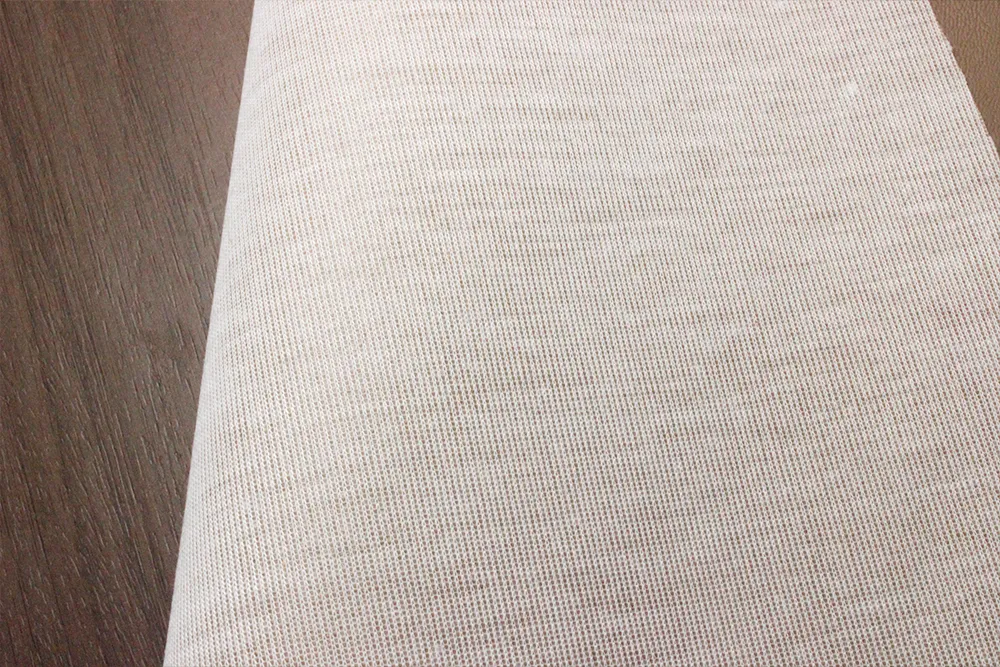
A 20-gauge circular-knitted backing has a fine and relatively compact knitted surface, while more open knitted constructions can show larger visible spaces between yarn loops.
Machine gauge should not be interpreted as a performance rating by itself. Yarn type, fabric density, weight and knitting structure also influence how the backing behaves.
Terry and Loop-Knit Backing
Terry and other loop-knit structures are another important group of PVC leather backings.
Examples from our material library include:
- 75D Fish-Scale Knitted Fabric
- 150D Terry Knitted Fabric
The terms 75D and 150D refer to yarn specifications, not separate textile categories.
A terry-type backing uses a looped textile structure. Different yarn sizes and knitting densities can produce lightweight, open constructions or denser and fuller backing fabrics.
These backings are used across several PVC leather applications where flexibility and textile support need to be balanced.
Mesh and Textured Knitted Backing
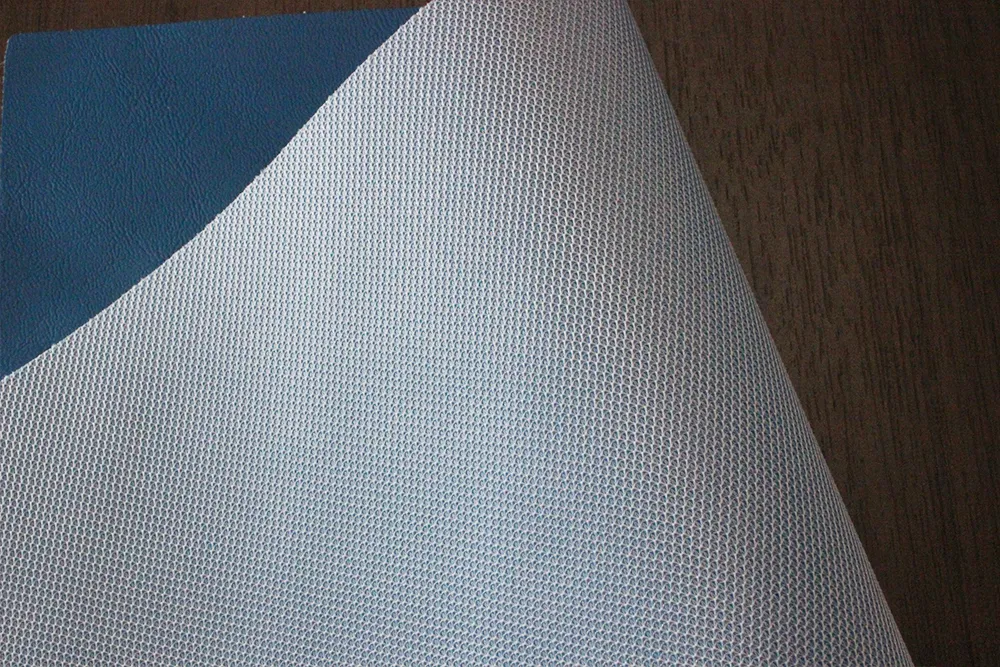
Knitted backing can also be engineered with visible mesh or patterned surface structures.
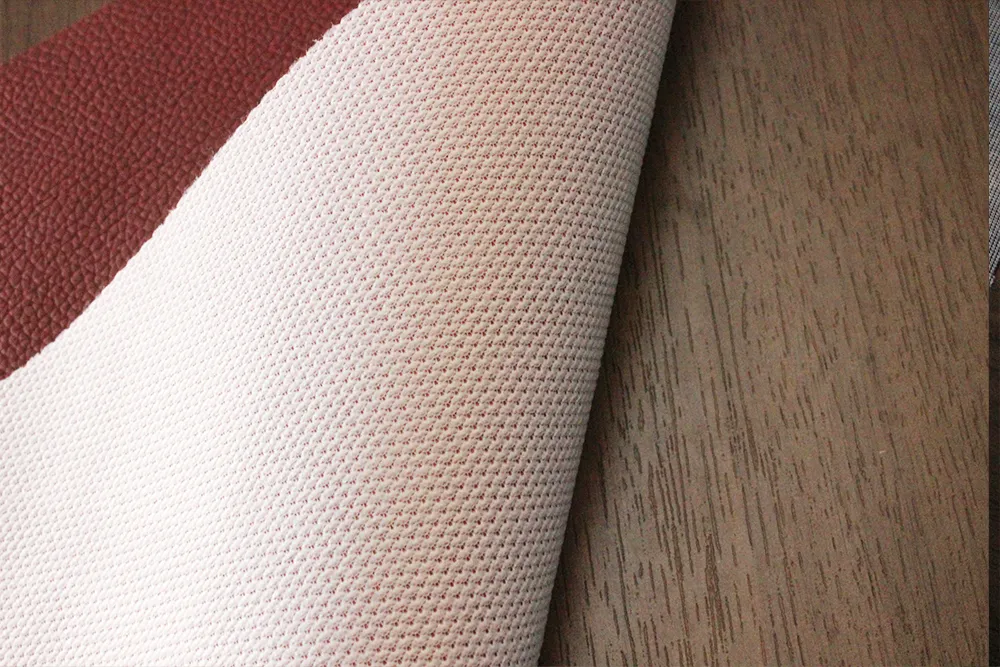
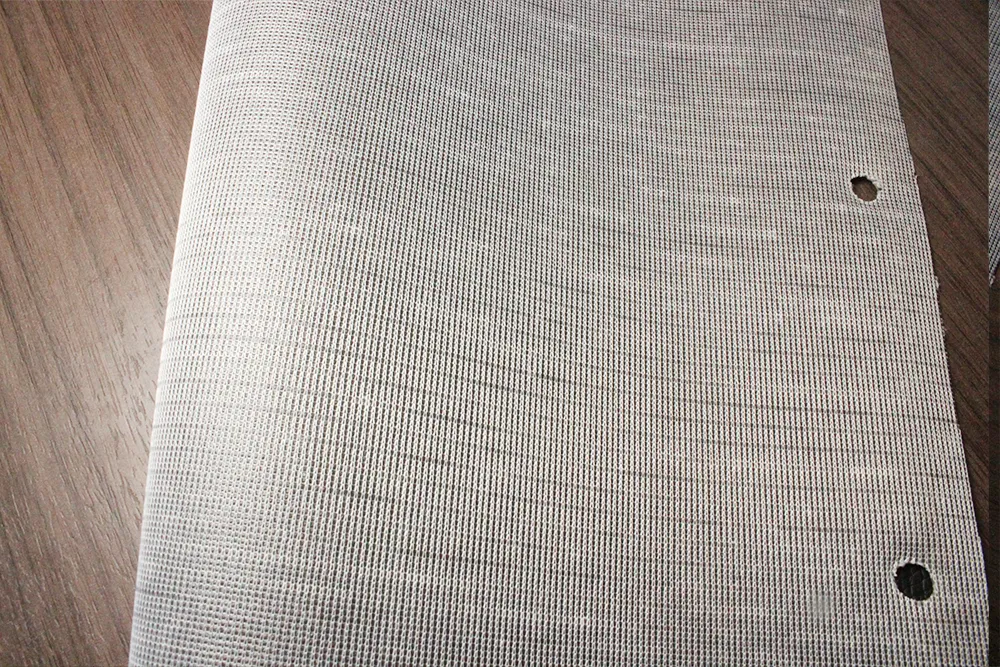
One example is Pique Mesh Knitted Backing Fabric, which has a fine, regular mesh-like surface rather than a completely flat knit.
Another factory construction in our sample library is Dragon-Scale Knitted Backing Fabric. “Dragon-scale” is a commercial pattern name used to describe its repeating textured knit rather than a separate primary textile category.
These structures demonstrate why simply specifying “knitted fabric” is sometimes insufficient. Different knitted designs can have noticeably different openness, surface texture, density and stretch behavior.
Brushed, Napped and Fleece-Type Backing
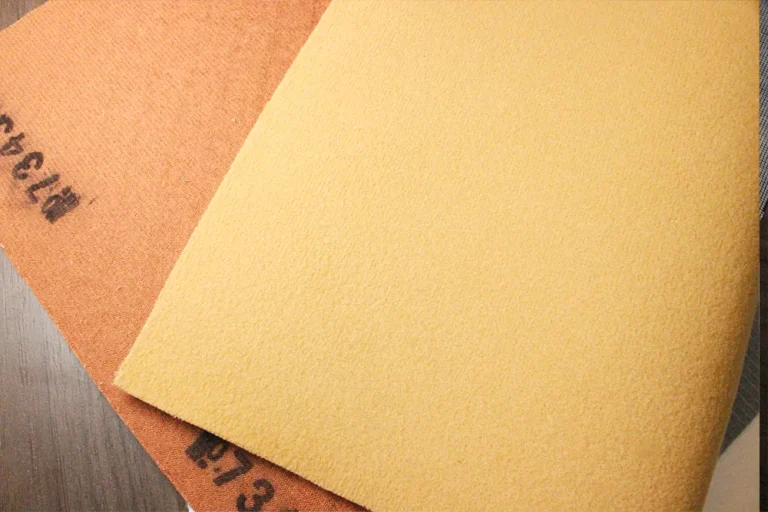
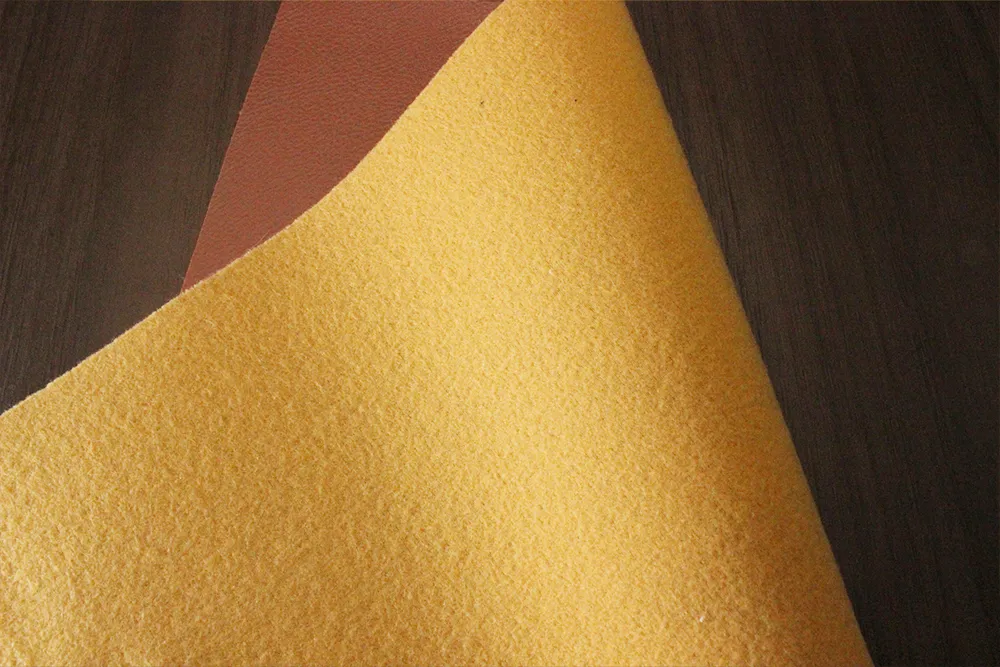
Brushing or napping changes the textile surface after the base fabric has been produced.
The process raises fibers from the fabric surface and can create anything from a light napped finish to a fuller fleece-like reverse side.
Our current backing samples include:
| Factory Name | Recommended Description | Main Difference |
|---|---|---|
| 0.5 起毛布 | Napped Knitted Fabric | Light raised surface |
| 单针拉毛布 | Single-Needle Brushed Knitted Fabric | Brushed knitted backing |
| 双针拉毛布 | Double-Needle Brushed Knitted Fabric | Fuller brushed construction |
| 仿棉绒 | Imitation Cotton Fleece Backing Fabric | Soft fleece-like surface |
| 仿棉绒喷涂 | Spray-Coated Imitation Cotton Fleece Backing | Additional surface treatment |
Terms such as single-needle, double-needle and imitation cotton fleece are useful factory specifications, but they should not be confused with the primary knitted/woven/nonwoven classification.
The underlying fabric construction still matters.
For example, a brushed knitted backing starts as a knitted textile and then receives a surface treatment that raises fibers. A fleece-type backing may use a denser or more heavily raised construction to create a fuller reverse surface.
The exact performance should therefore be confirmed from the material specification and physical sample rather than inferred only from the commercial backing name.
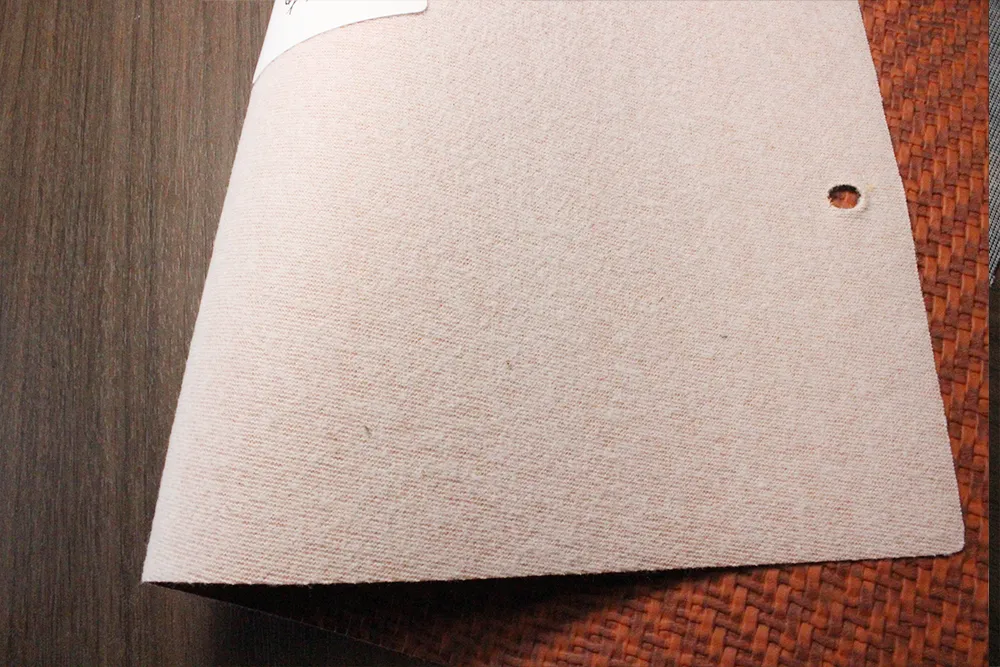
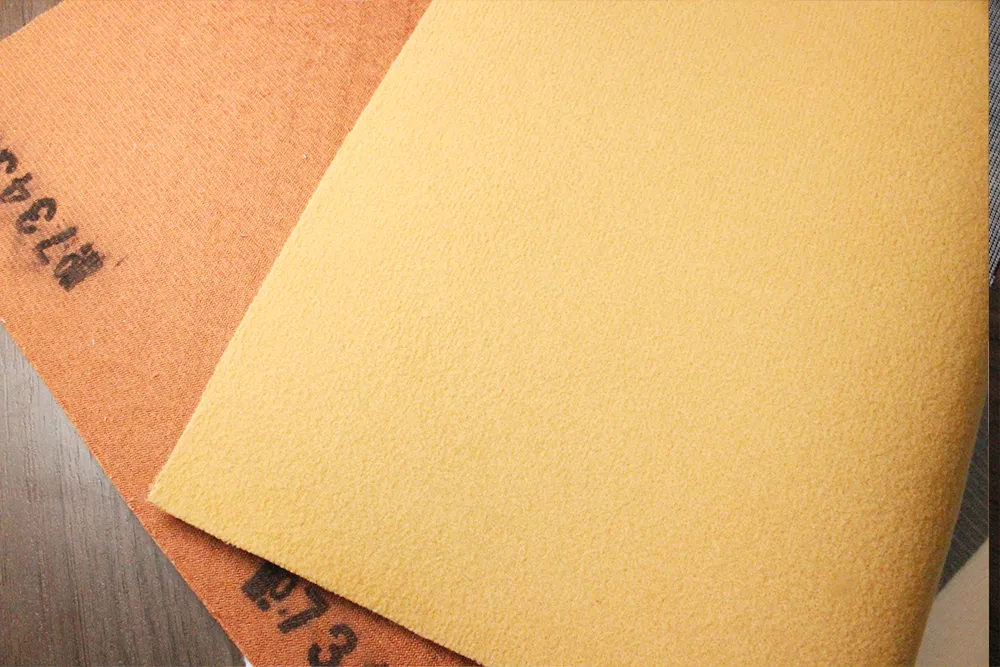
A spray-treated imitation cotton fleece can also receive an additional finishing process. Because the treatment formulation can vary, its specific purpose should be confirmed for the individual material rather than assumed from the name alone.
Stretch Knitted Backing
Stretch backings are particularly useful when PVC leather needs to conform to shaped or curved components.
Our sample library includes:
- single-sided stretch knitted backing;
- two-way stretch knitted backing;
- four-way stretch knitted backing;
- white and black versions of four-way stretch constructions.
Black and white four-way stretch fabrics are color variations of the same backing family, not separate technical categories.
Stretch behavior depends on the textile structure and may also depend on elastic yarn content. For technical purchasing, buyers should confirm actual stretch direction and stretch percentage rather than relying only on terms such as “stretch” or “four-way stretch.”
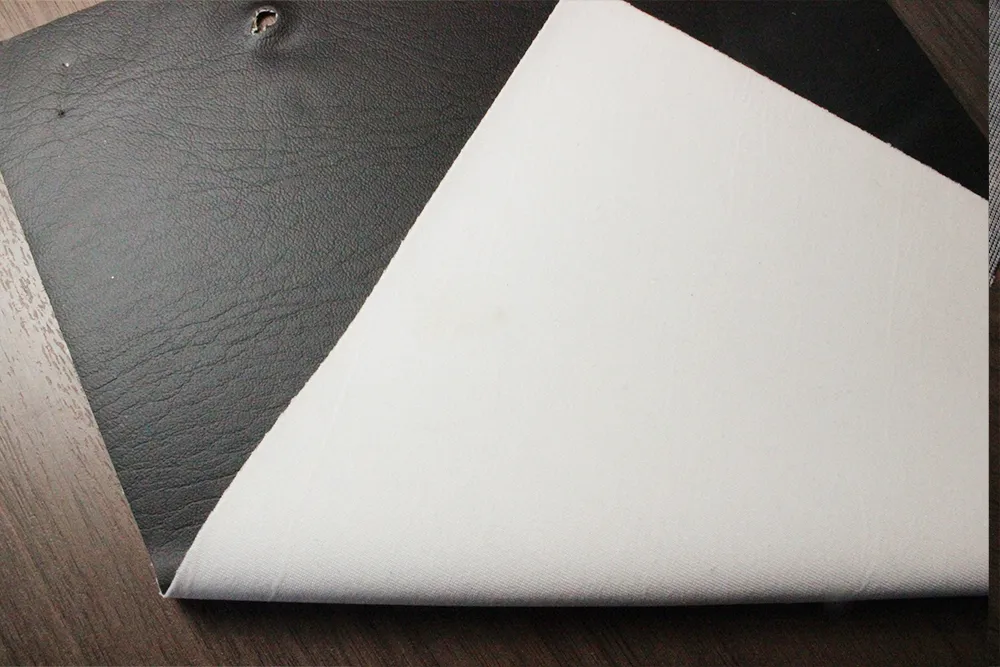
This type of construction is particularly relevant where material needs to follow seat contours or other complex three-dimensional surfaces.
Oxford Woven Backing
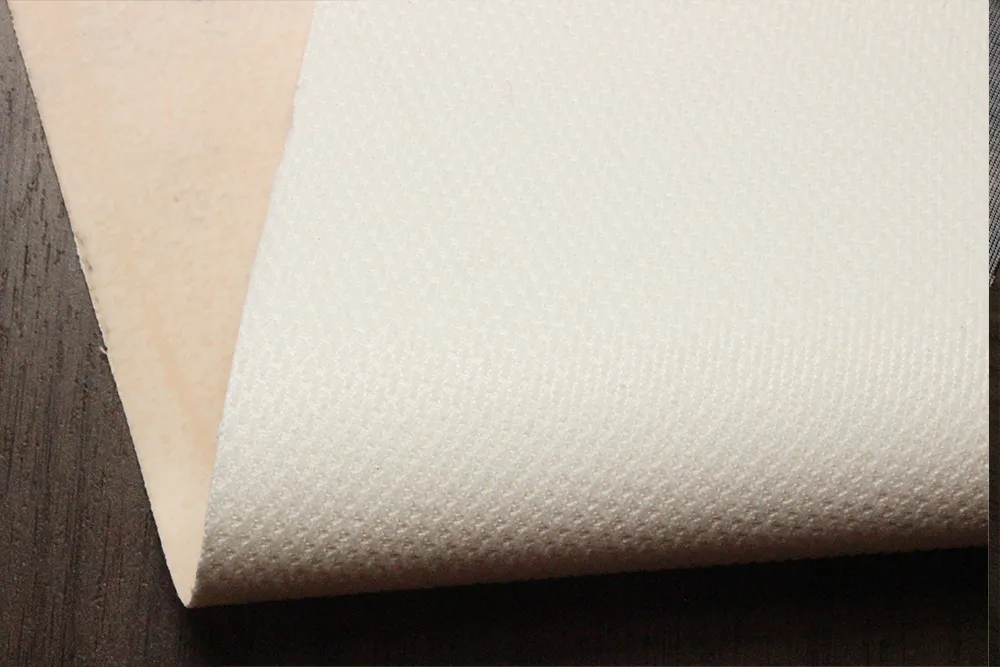
Unlike knitted materials, woven fabrics are produced by crossing warp and weft yarns.
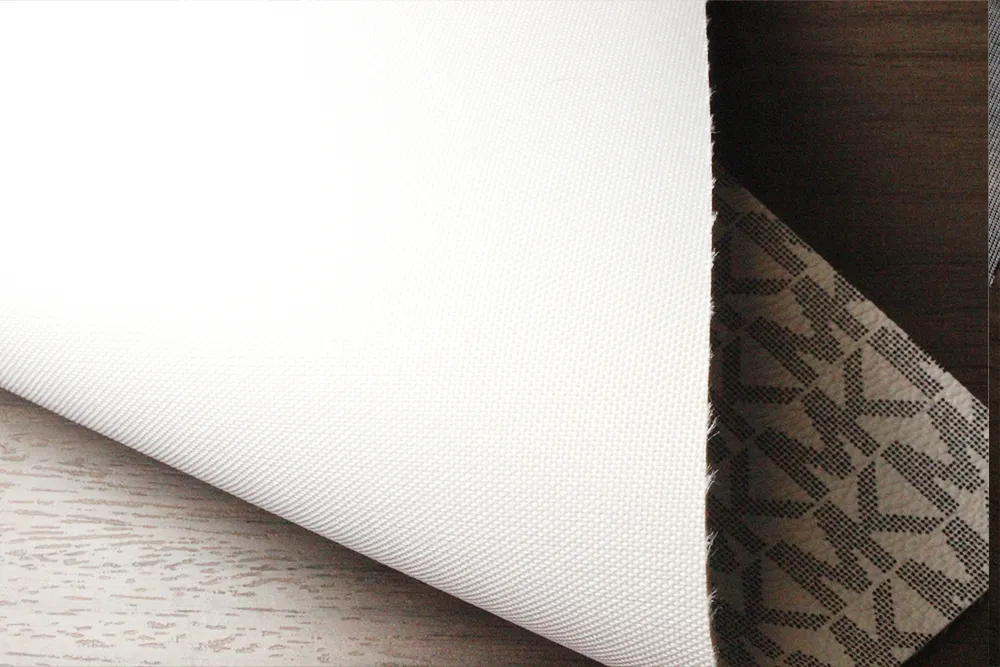
The Oxford fabric in our backing library shows a clear woven structure and provides a useful example of a more structured PVC leather substrate.
Oxford Woven Backing Fabric may be considered when dimensional stability and structural support are more important than high stretch.
Typical applications can include bags, luggage, reinforced panels and selected upholstery constructions.
However, “Oxford” alone does not define the complete specification. Yarn material, denier, fabric weight and weave density should still be confirmed.
Spunlace Nonwoven Backing
Nonwoven substrates are formed from fiber webs rather than conventional knitted loops or woven yarn systems.
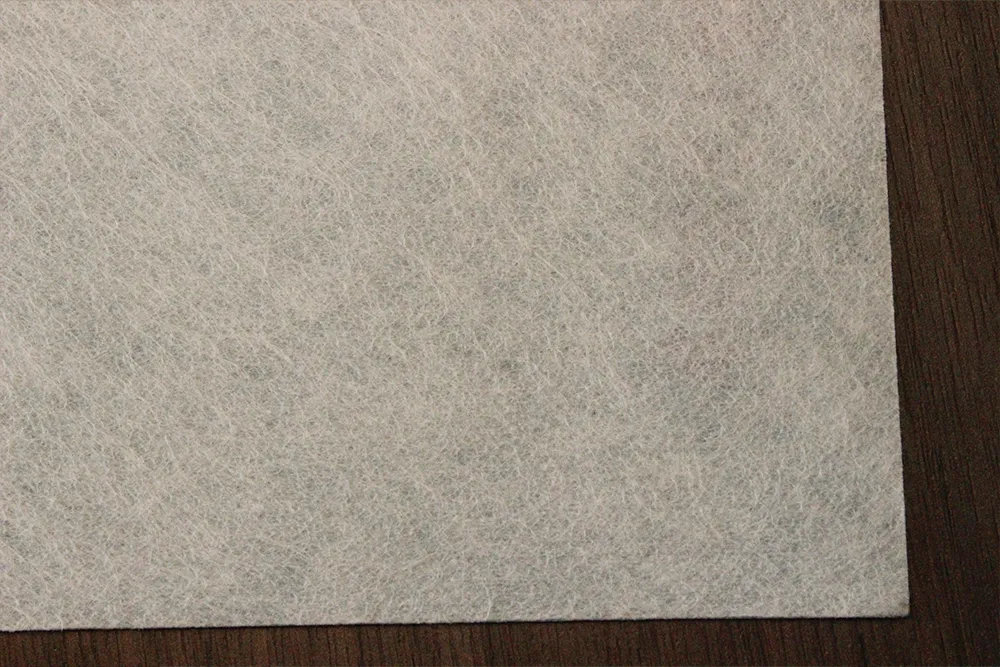
Spunlace Nonwoven Fabric, also called hydroentangled nonwoven, uses water-jet entanglement to consolidate the fiber web.
The material in our sample library has a relatively soft, uniform and flexible fiber structure.
Spunlace backing can be useful in lightweight PVC leather and composite constructions where a conventional knitted or woven backing is not necessary.
Needle-Punched Nonwoven Backing
Needle-Punched Nonwoven Fabric is also produced from a fiber web, but the fibers are mechanically entangled by repeated needle punching.
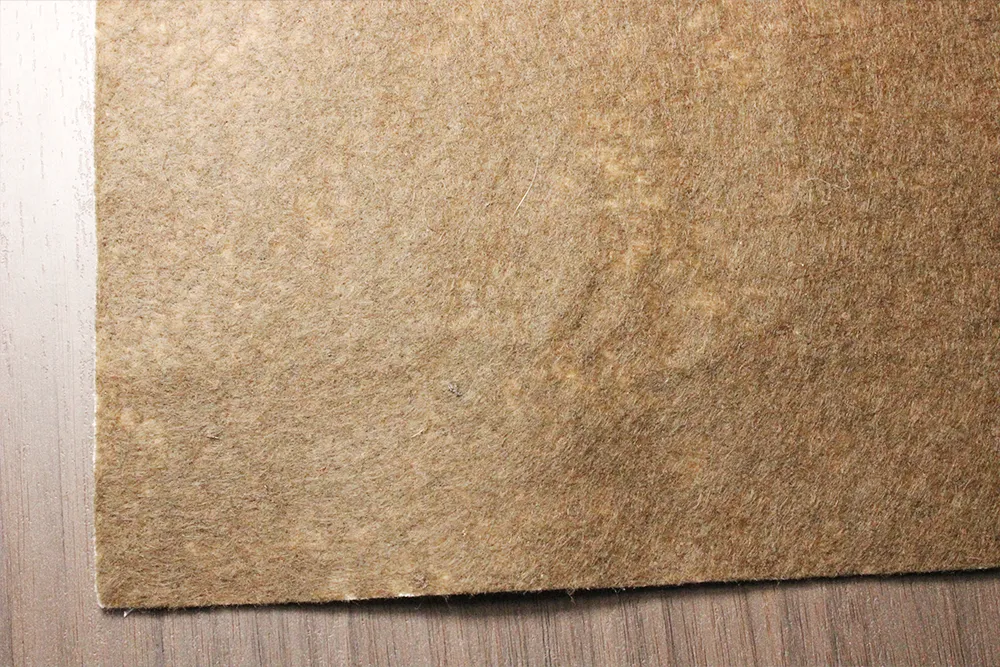
Compared visually with our spunlace sample, the needle-punched material has a thicker and more felt-like structure.
The term needle-punched cotton should be avoided unless the fiber composition has actually been confirmed as cotton. In many commercial specifications, the Chinese word “棉” describes the felt-like material form rather than guaranteeing cotton fiber content.
For that reason, Needle-Punched Nonwoven Fabric is the safer technical description unless fiber composition is known.
Recycled Leather Fiber Base
Not every PVC leather substrate is a conventional textile.
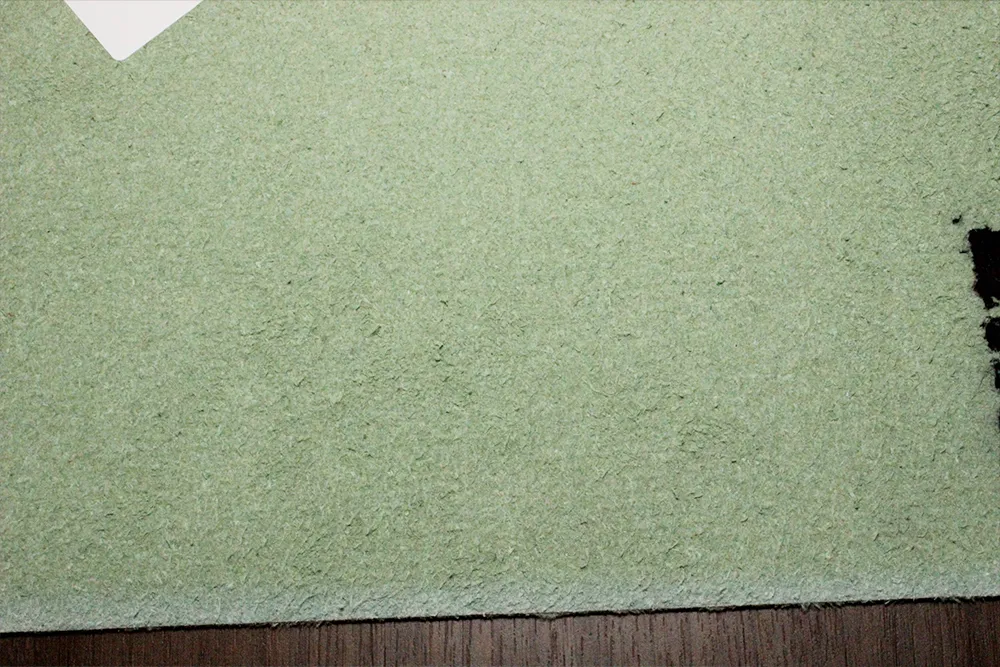
Our Recycled Leather Fiber Base is produced using processed genuine leather scraps that are broken down into leather fibers and re-formed into a sheet-like substrate.
Its appearance is very different from woven or knitted fabric: the structure is dense and fibrous, with no regular yarn loops or warp-and-weft pattern.
For technical descriptions, Recycled Leather Fiber Base is clearer than “eco leather,” because the latter can be interpreted broadly as an environmental marketing term or even as a finished leather product.
This material should therefore be classified separately as a specialty substrate rather than grouped directly with standard knitted, woven or nonwoven textile backing.
How Backing Fabric Changes PVC Leather Performance
Backing fabric is only one part of the complete PVC leather construction, but it can influence how the finished material behaves during manufacturing.
| Property | How the Backing Can Influence It |
|---|---|
| Flexibility | Knitted and lightweight backing structures can allow easier bending and wrapping |
| Stretch | Stretch knitted backing helps material conform to curved surfaces |
| Dimensional Stability | Woven or dense textile structures generally provide more controlled deformation |
| Material Body | Terry, fleece and heavier backing can contribute to a fuller construction |
| Sewing Performance | Fabric thickness, density and structure influence needle penetration and seam behavior |
| Tear Behavior | Yarn or fiber arrangement affects how loads are distributed through the material |
| Drape & Hand Feel | Lightweight, brushed or fleece-type backing can change how the finished leather feels and folds |
| Bonding & Lamination | Backing surface texture influences contact with adhesives or other laminated layers |
These are general tendencies rather than fixed performance guarantees.
For example, a woven backing is not automatically stronger than every knitted backing, and a thicker fleece backing is not automatically more durable than a lightweight construction.
Actual performance also depends on:
- fiber composition;
- yarn specification;
- fabric weight;
- fabric density;
- backing thickness;
- PVC formulation;
- coating thickness;
- adhesion between layers;
- finished material thickness;
- application-specific testing.
For this reason, physical samples and the complete product specification should be evaluated together.
How to Choose Backing Fabric by Application
The most suitable backing depends on the finished product and manufacturing process rather than on one backing type being universally better.
| Application | Typical Priorities | Common Backing Directions |
|---|---|---|
| Automotive Seats | Shape conformity, flexibility, repeated deformation | Stretch knit, terry, dense knitted backing |
| Motorcycle Seats | Curved wrapping and flexibility | Stretch knitted backing |
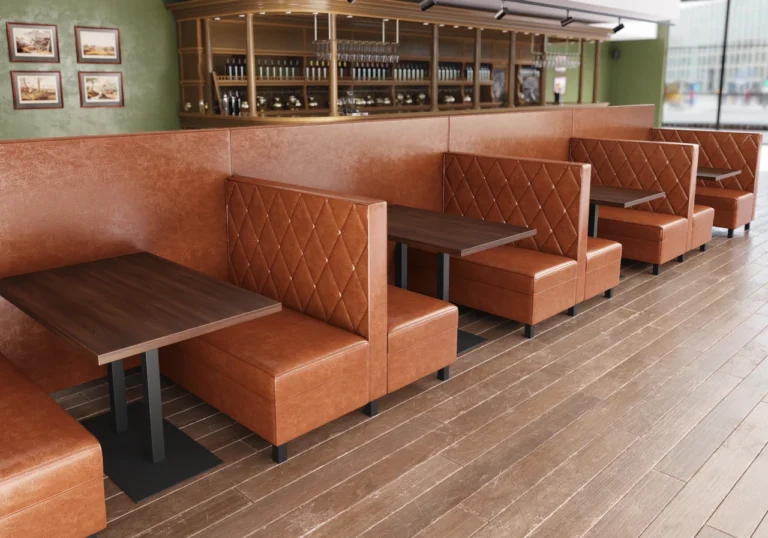
| Sofa & Furniture | Upholstery flexibility, sewing, material body | Knitted, brushed, fleece, terry, mesh |
| Bags & Luggage | Shape retention, sewing, folding and structure | Brushed knit, knitted backing, Oxford woven |
| Footwear & Garments | Flexibility, bending, sewing and forming | Lightweight knitted and flexible textile backing |
| Packaging & Decorative Products | Folding, wrapping, bonding and material body | Lightweight knitted, woven or nonwoven backing |
For car seats and other shaped vehicle components, stretch and flexible knitted structures are especially relevant. Buyers comparing seat materials can explore our Synthetic Leather for Automotive Interiors and the How to Choose Automotive Leather for Car Seats guide.
For sofas, chairs and general upholstery, backing should be evaluated together with leather thickness, softness and upholstery construction. See our Synthetic Leather for Furniture Upholstery and PVC Leather for Furniture: How to Choose.
Bag manufacturers often need to balance flexibility with structure, folding and sewing behavior. Different knitted, brushed, terry and woven constructions can be compared in our PVC Bag Leather collection.
Footwear and garment applications generally place more emphasis on flexibility, forming and sewing. Related material constructions can be found in our Synthetic Leather for Footwear & Garments.
For gift boxes, notebook covers, table covers and other decorative products, backing should be selected together with folding, bonding and material thickness. See our Packaging & Decorative Applications.
When specifying PVC synthetic leather, it is useful to provide the supplier with the finished application, required thickness, surface grain, desired flexibility or stretch, backing preference and manufacturing method.
Physical samples remain the most practical way to compare the surface and backing together before bulk production.
Xiangze Leather can provide PVC synthetic leather samples with different backing constructions for comparison according to the finished product and project specification.