How to Choose Automotive Leather for Car Seats

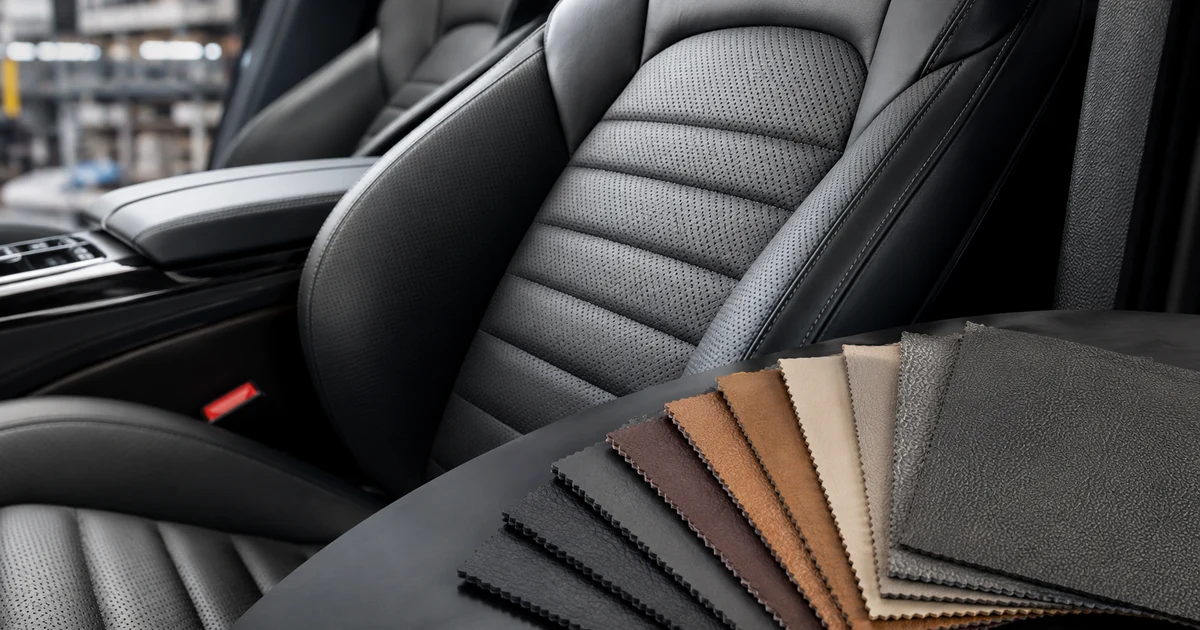
Choosing automotive leather for car seats involves much more than selecting a color or surface grain.
Car seat materials must fit curved and cushioned surfaces, withstand repeated use, perform reliably around stitching areas and maintain a consistent appearance during production. Thickness, backing construction, flexibility, surface finish and required performance standards all influence whether a material is suitable for a particular seat project.
For manufacturers, wholesalers and automotive upholstery companies, the best approach is to define the seat application first and then select the material construction accordingly.
If you are comparing materials for vehicle interiors, you can also explore our broader Automotive & Motorcycle Leather range.
This guide explains the main factors to evaluate before selecting synthetic automotive leather for car seats.
Start with the Car Seat Application
The first step is to identify exactly where and how the leather will be used.
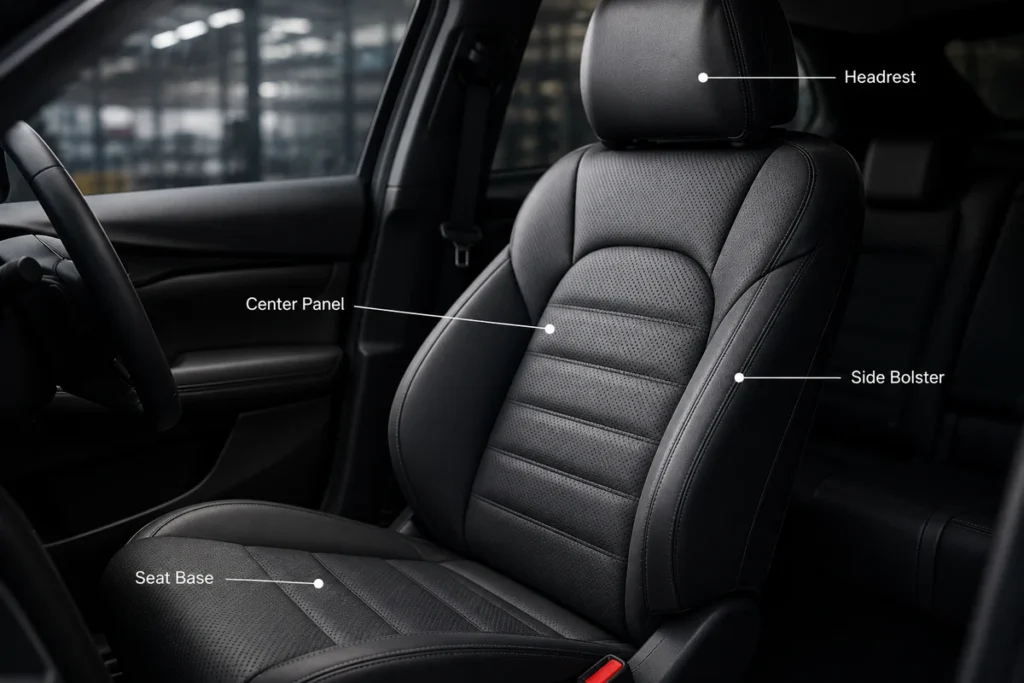
Automotive seating projects can include:
- Complete car seat upholstery
- Seat center panels
- Side bolsters
- Headrests
- Armrests
- Seat backs
- Replacement seat covers
- Aftermarket automotive upholstery
Different parts of a seat may place different demands on the material.
For example, side bolsters can experience repeated friction as passengers enter and leave the vehicle, while center panels may require greater softness, appearance consistency or perforation options. Curved areas also require a material that can wrap around foam without excessive wrinkling or deformation.
The manufacturing method should also be considered. A material used for cut-and-sewn seat covers may require different flexibility and backing characteristics from material used in laminated or molded components.
Buyers looking for application-specific materials can compare our Car Seat Leather options with different grains, thicknesses and backing constructions.
Before requesting samples, provide the supplier with information about the exact seat component, manufacturing process and target vehicle or market.
Compare Thickness, Backing and Flexibility
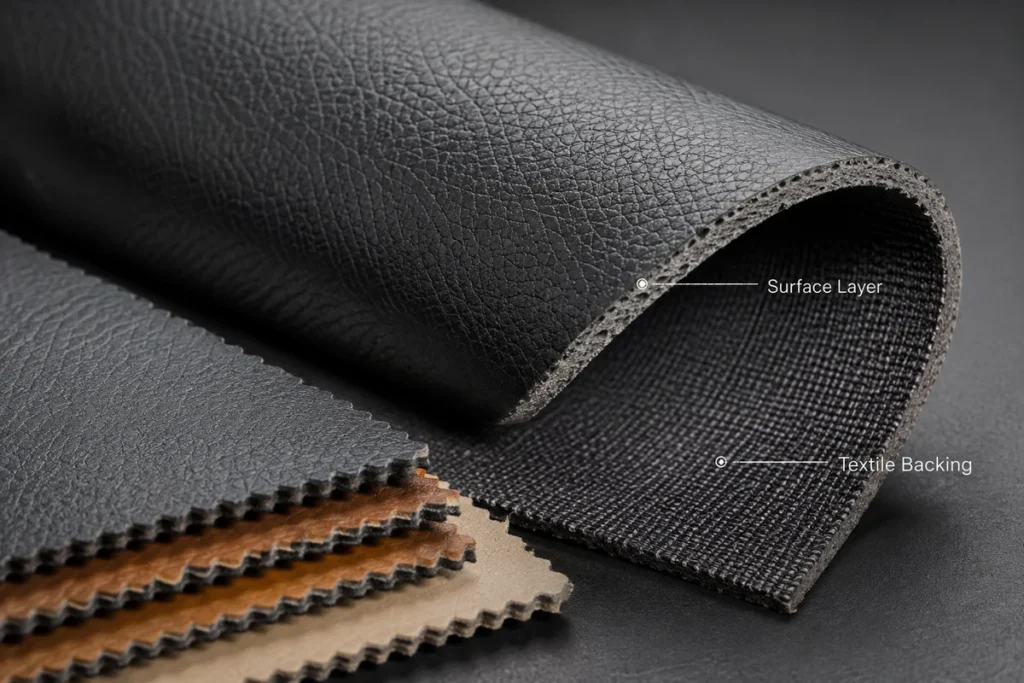
Automotive leather should be evaluated as a complete construction rather than by surface appearance alone.
Thickness
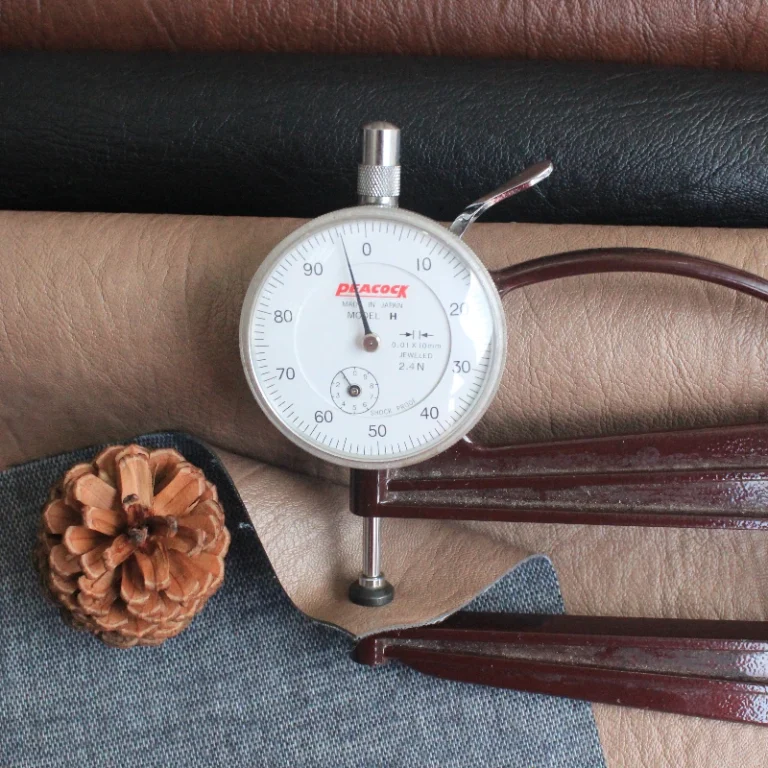
Thickness influences the body, flexibility, sewing behavior and overall feel of the material.
A thicker material is not automatically more durable, and a thinner material is not automatically more flexible. Performance also depends on the coating, textile backing and complete material structure.
When comparing samples, confirm:
- Total material thickness
- Thickness tolerance
- Flexibility
- Folding behavior
- Sewing performance
- Compatibility with seat foam
The selected thickness should work with the seat design and production equipment rather than being chosen according to a single standard value.
Backing Material
The textile backing underneath synthetic automotive leather has an important influence on stretch, tear resistance and dimensional stability.
Common constructions for automotive seating can include:
- Knitted fabric
- Polyester fabric
- Mesh backing
- Stretch backing
- Brushed fabric
- Woven fabric
Knitted and controlled-stretch backings can help the material conform to curved seat surfaces. More stable backings may be preferred when dimensional control is particularly important.
The backing should not stretch excessively during cutting or sewing. Too much stretch can cause distorted panels, grain deformation or wrinkles after upholstery.
For a more detailed explanation of different constructions, see our guide to PVC leather backing options.
Flexibility and Recovery
Car seat leather must bend and conform to foam while recovering sufficiently after stretching.
When checking a sample, bend and stretch it in different directions. Look for excessive whitening, cracking, permanent deformation or obvious grain distortion.
Whenever possible, test the material on an actual seat panel rather than evaluating it only as a flat sample.
Choose the Right Grain, Finish and Seat Design
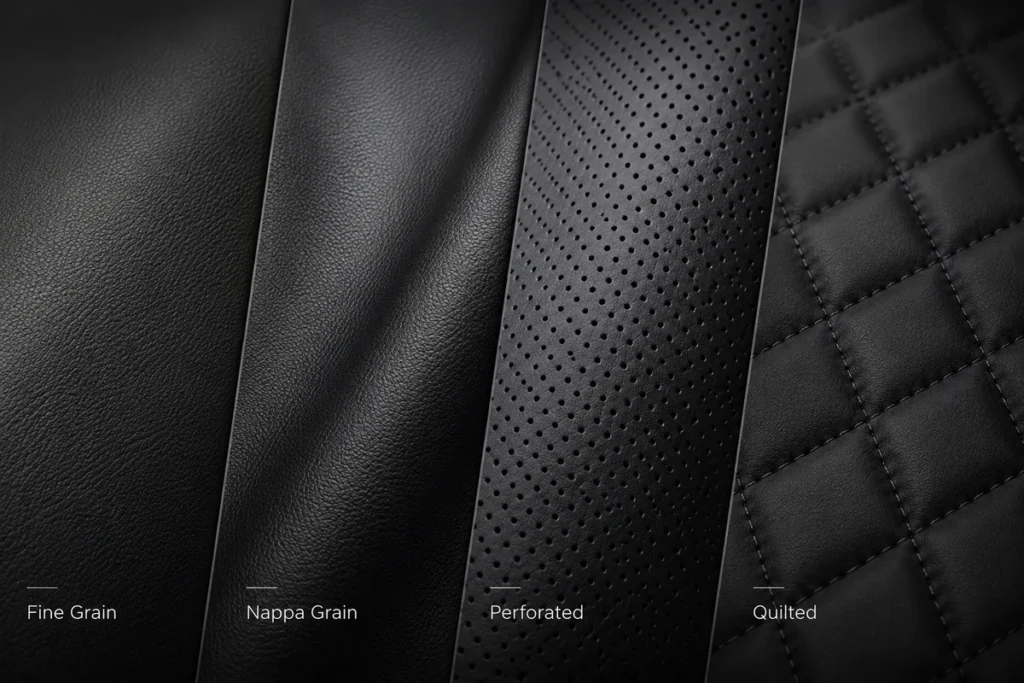
Surface appearance is important for automotive interiors, but grain selection should also match the intended seat design.
Common automotive leather surface styles can include:
- Fine grain
- Pebble grain
- Nappa-style grain
- Geometric patterns
- Embossed textures
- Perforated surfaces
- Quilted designs
- Smooth or semi-smooth finishes
Fine and uniform grains are often used when manufacturers want a clean and modern interior appearance. More pronounced embossed grains can create stronger visual texture and may also help make minor surface variation less noticeable.
Color and Gloss
Color should be evaluated using an approved physical sample whenever possible.
Specify:
- Target color
- Color tolerance
- Matte, semi-matte or gloss finish
- Grain reference
- Surface touch
- Required batch consistency
Images displayed on a monitor are useful for initial selection but should not replace physical color confirmation for production orders.
Perforated and Quilted Leather
Perforation is frequently used for seat center panels and decorative automotive interiors.
Possible options include:
- Regular round perforation
- Micro perforation
- Pattern perforation
- Custom hole arrangements
Quilted automotive leather can combine synthetic leather with foam and backing material to create diamond, square, stripe or other stitched patterns.
For these constructions, buyers should confirm not only the surface leather but also the foam thickness, backing fabric, stitching pattern and finished composite thickness.
Define the Required Automotive Performance
A material that looks suitable for a seat is not necessarily suitable for the required vehicle environment.
Automotive interiors can experience repeated friction, sunlight, high temperatures, low temperatures and long periods of use. Performance requirements should therefore be defined before bulk production.
Depending on the project and destination market, buyers may need to evaluate:
Abrasion Resistance
Seat surfaces are exposed to repeated contact with clothing and passengers.
Abrasion requirements should be defined using the required test method rather than simply describing the material as wear resistant.
Flexing and Crack Resistance
Repeated sitting, folding and movement can flex the material thousands of times during its service life.
Testing can help determine whether the surface coating develops cracking, whitening or separation under repeated movement.
UV and Light Resistance
Vehicle interiors may receive prolonged sunlight exposure.
For projects where color stability is important, buyers should specify the required UV or light-aging test conditions.
Temperature Resistance
Cars can experience significant temperature changes.
Depending on the market, automotive upholstery may need testing for:
- Heat aging
- Cold resistance
- Cold cracking
- Surface stability after temperature exposure
Color Fastness
Dark clothing and repeated rubbing can affect light-colored seat materials, while leather surfaces themselves may also transfer color under certain conditions.
Relevant color-fastness requirements should therefore be confirmed for the intended project.
Other Requirements
Some automotive programs may also specify requirements relating to:
- Odor
- Fogging
- Flame resistance
- Tear strength
- Tensile strength
- Seam strength
- Coating adhesion
- Restricted substances
There is no single test specification that applies to every car seat project.
OEM programs, aftermarket products and different destination markets can have different requirements. Buyers should provide the required test standard or technical specification to the supplier before ordering.
If you are still comparing material types and constructions, our guide to PVC synthetic leather explains the basic structure and characteristics of the material.
Test Samples Before Confirming Bulk Production
A physical sample is one of the most important steps when selecting automotive leather.
Appearance alone cannot confirm how the material will behave during cutting, sewing, stretching and upholstery.
When evaluating samples, check:
| Item | What to Confirm |
|---|---|
| Application | Exact seat component |
| Color | Approved physical reference |
| Grain | Texture and embossing |
| Finish | Matte, semi-matte or gloss |
| Thickness | Required specification and tolerance |
| Backing | Fabric type and construction |
| Flexibility | Ability to wrap around curves |
| Stretch | Direction, amount and recovery |
| Sewing | Needle-hole and seam performance |
| Surface | Abrasion and appearance requirements |
| Testing | Required automotive standards |
| Width | Effective roll width |
| Quantity | Trial and bulk requirements |
Whenever possible, use the sample to make an actual seat cover or at least one complete seat panel.
This can reveal problems such as:
- Wrinkling around curves
- Excessive stretch
- Grain distortion
- Stitch-hole tearing
- Difficult sewing
- Poor fit around foam
- Color differences under interior lighting
After the sample has been approved, the final purchase specification should clearly identify the product code, color, grain, backing, thickness, width, required tests and approved reference sample.
For large-volume projects, a trial production run can provide additional confirmation before full-scale manufacturing.
Recommended Car Seat Leather Products
-
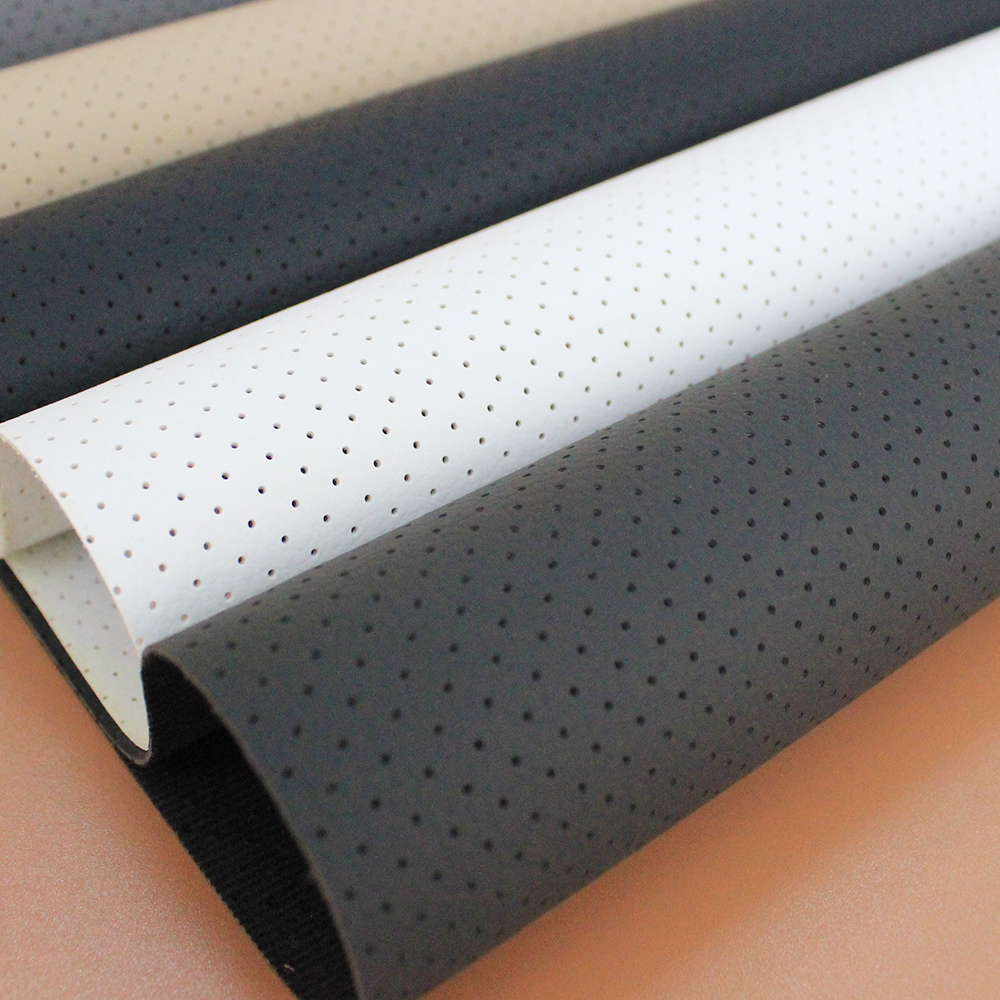
XZ60109 1.2mm Perforated Z1127 Litchi Grain PVC Leather with Imitation Cotton Fleece Backing for Car Seats
-
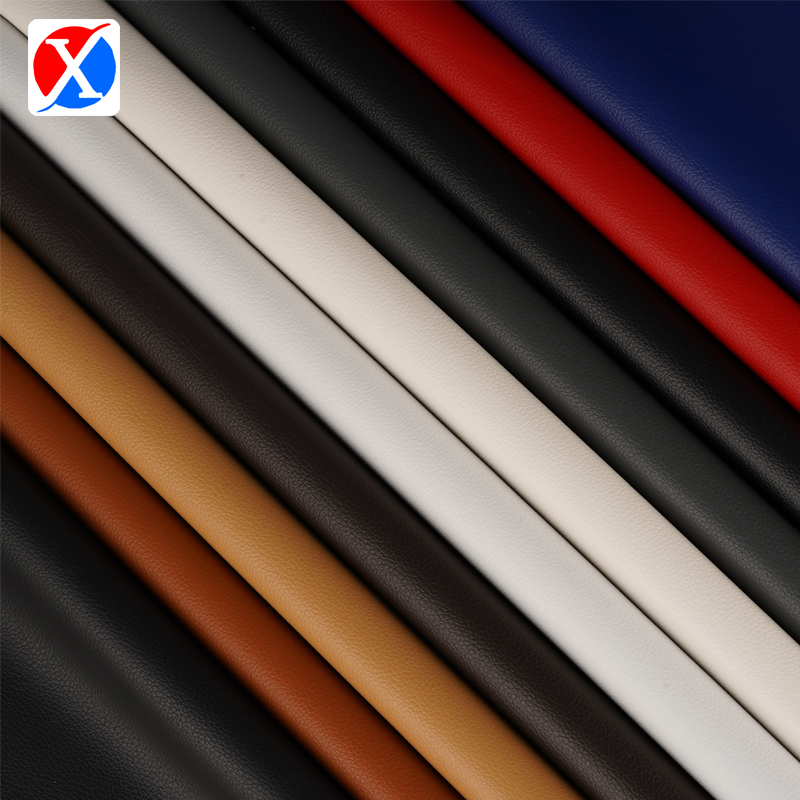
XZ73049 Fine Grain PVC Leather for Automotive Interiors with Terry Fabric Backing
-
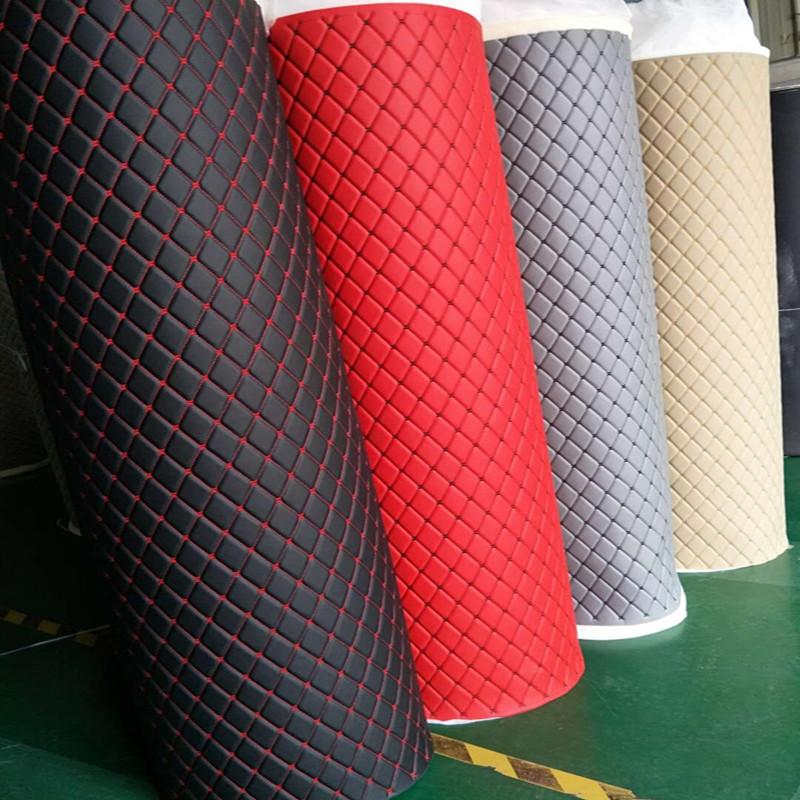
XZ60081 Diamond Quilted PVC Leather with 5mm Foam for Car Seats & Automotive Floors
-
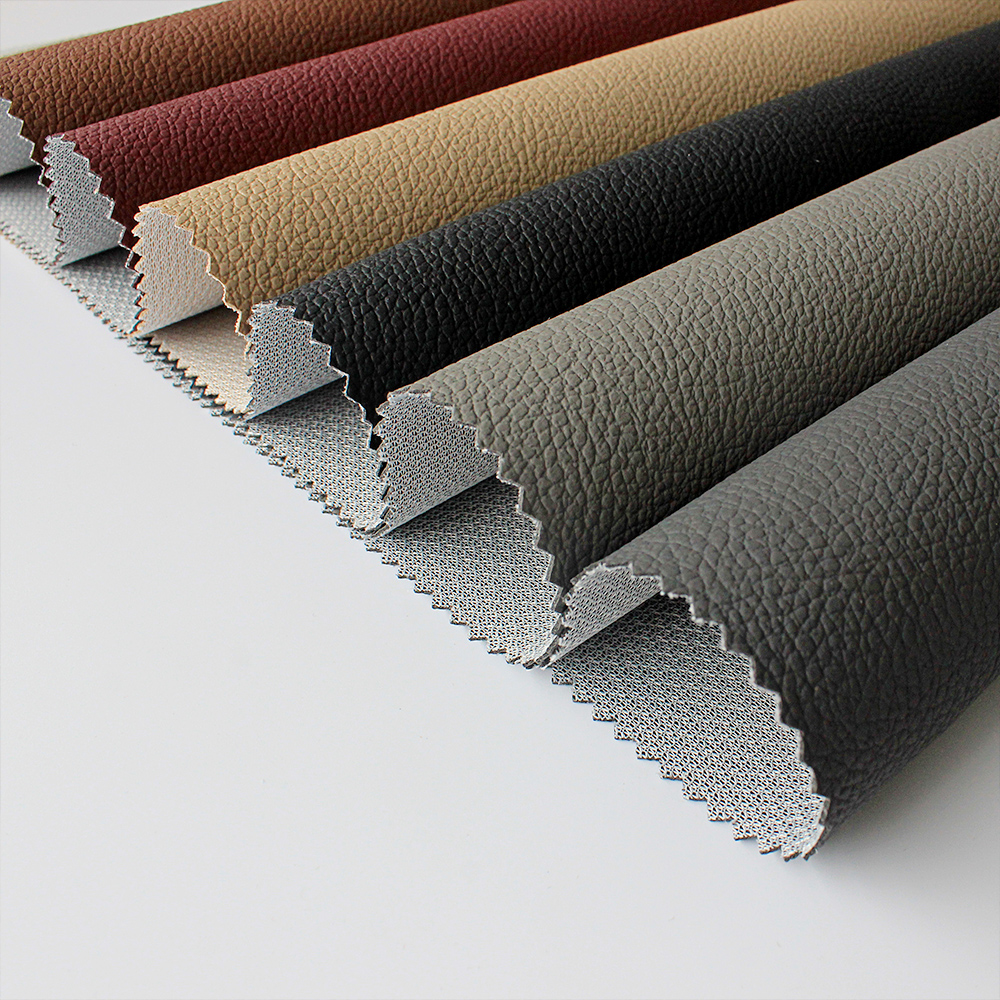
XZ60038 1.0mm Litchi Grain PVC Leather with Melange Fabric Backing for Car Seat Upholstery
Choosing Automotive Leather for Your Car Seat Project
The best automotive leather for car seats is not determined by appearance or thickness alone.
Manufacturers should evaluate the complete material construction, including the surface coating, backing, flexibility, grain, thickness and required performance standards.
A practical selection process is:
Define the seat application → select the material construction → compare physical samples → test production performance → confirm the final specification.
This approach helps reduce problems during cutting, sewing and upholstery while making it easier to maintain consistent quality during bulk production.
Xiangze Leather supplies synthetic automotive leather for car seats, headrests, armrests and related vehicle upholstery applications.
Our Car Seat Leather range is available with different surface grains, colors, thicknesses and backing options for automotive manufacturers, upholstery factories, wholesalers and aftermarket suppliers.
Physical samples and specification matching are available for project evaluation.

About Xiangze Leather
Written by Xiangze Leather Editorial Team
Xiangze Leather supplies PVC synthetic leather for furniture upholstery, bags, footwear, automotive interiors, motorcycle seats and decorative applications. Material samples, specification options and quotation support are available according to project requirements.