How to Choose Leather for Motorcycle Seats

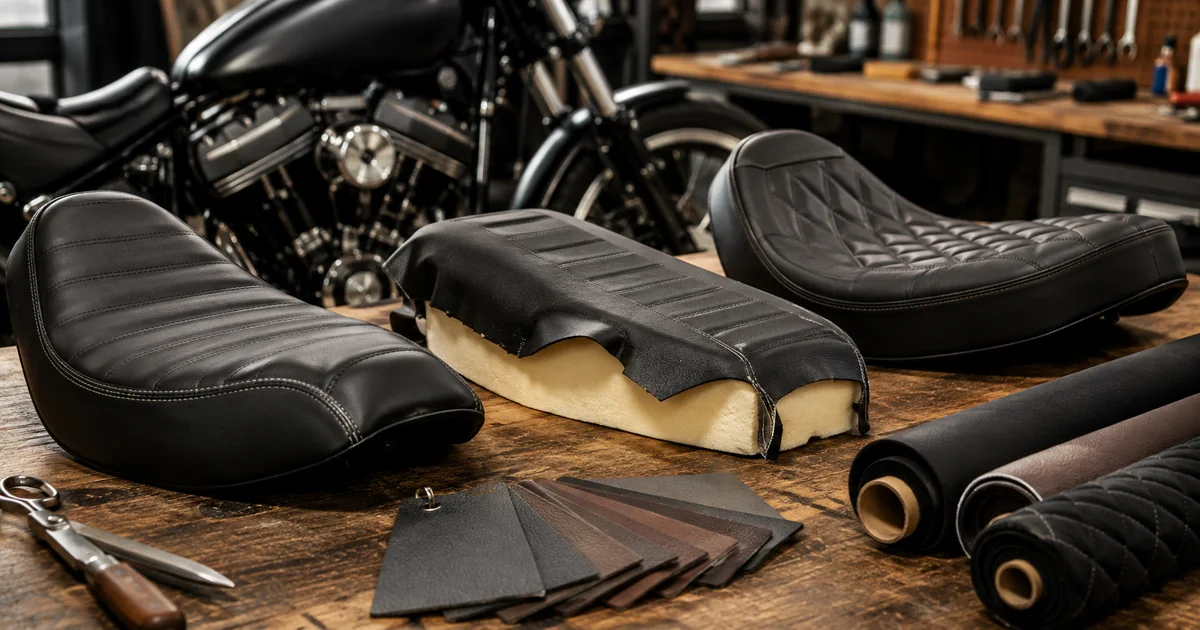
Choosing leather for motorcycle seats involves more than selecting a color or surface grain.
Motorcycle seat materials need to conform to curved and cushioned surfaces, remain stable around seams and edges, and perform reliably during repeated sitting and upholstery processing. Because motorcycle and scooter seats can also be exposed more directly to sunlight, moisture and temperature changes, the required performance should be considered before bulk production.
Thickness, backing construction, stretch, surface pattern and required performance standards can all influence whether a material is suitable for a particular seat design.
For manufacturers, wholesalers and motorcycle upholstery companies, the most practical approach is to define the seat construction first and then select the material accordingly.
If you are comparing materials for vehicle seating and related applications, you can also explore our broader Auto & Motorcycle Leather range.
This guide explains the main factors to consider when choosing leather for motorcycle seats, scooter seats, saddles and replacement seat covers.
Start with the Motorcycle Seat Design
The first step is to understand exactly how the material will be used.
Motorcycle seating can include complete seat covers, rider and passenger sections, scooter seats, saddle covers, side panels, decorative inserts and aftermarket replacement upholstery. Different seat shapes can require different material behavior.
A relatively flat seat panel may work well with a stable backing construction, while a deeply curved or contoured seat may require greater flexibility or controlled stretch to help the material wrap around the foam.
The production method is also important.
Some motorcycle seat covers are made from several cut-and-sewn panels. Others require larger pieces of material to stretch around curved foam and underneath the seat base. The correct leather therefore depends not only on the finished appearance but also on how the material will be cut, sewn, stretched and fixed during production.
Before selecting a material, consider the seat shape, foam profile, panel design, seam position and amount of stretching required during installation.
Buyers can compare our Motorcycle Seat Leather collection for different surface grains, thicknesses and backing constructions designed for motorcycle and scooter seat applications.
Compare Thickness, Backing and Stretch
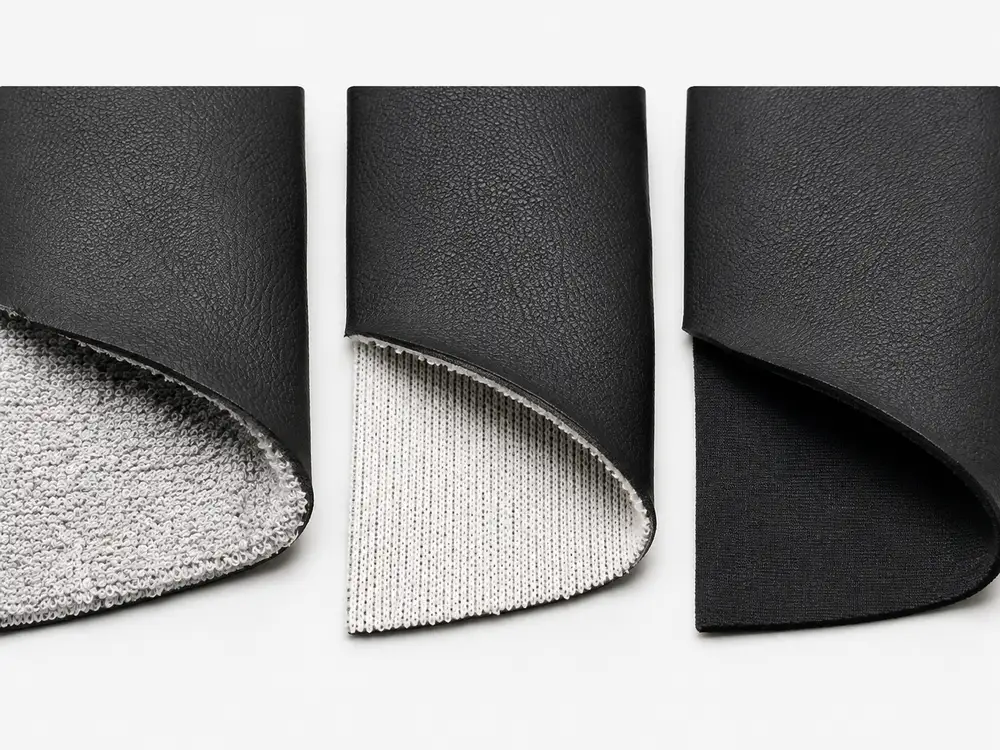
Motorcycle seat leather should be evaluated as a complete material construction rather than by thickness alone.
Thickness
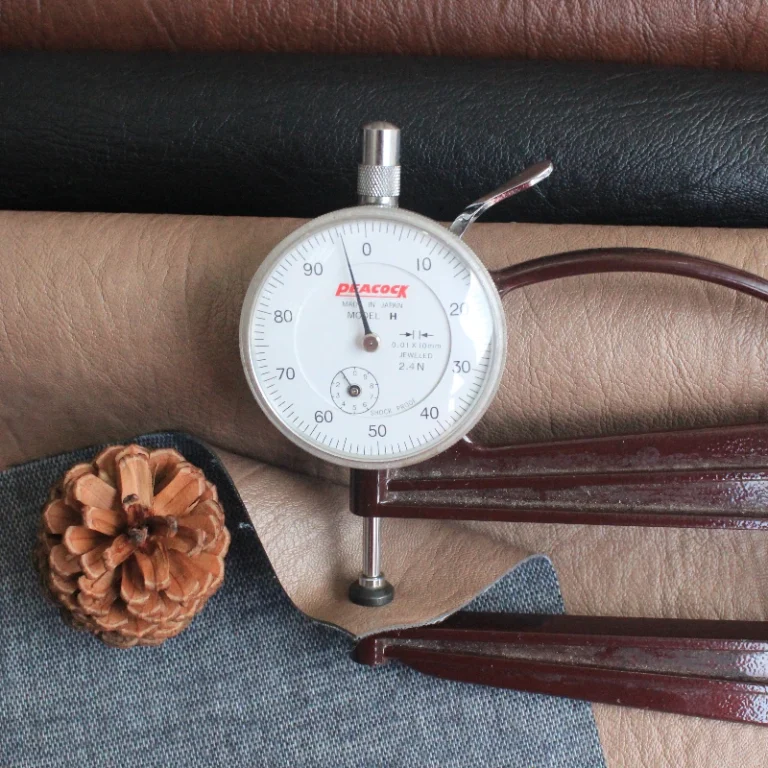
Thickness affects the body, flexibility, hand feel and processing behavior of synthetic leather.
A thicker material is not automatically more durable, while a thinner material is not automatically easier to upholster. The PVC coating, backing fabric and complete material construction all influence the final performance.
The selected thickness should work with the seat design, sewing equipment and upholstery process.
When comparing samples, check whether the material can bend around the required curves without becoming excessively stiff, wrinkled or difficult to sew.
Backing Construction
The textile backing underneath PVC leather has an important influence on flexibility, stretch, dimensional stability and sewing behavior.
Motorcycle seat materials can use different backing constructions, including terry fabric backing, knitted backing, brushed backing and stretch fabrics.
A relatively stable backing can help maintain panel dimensions during cutting and sewing. A stretch backing can provide greater conformity around curved or molded seat shapes.
Neither construction is automatically better.
If the backing stretches too much, the material may distort during cutting or upholstery. Grain patterns can become uneven and finished panels may lose their intended dimensions.
If the material is too rigid, it may be difficult to wrap around tight curves and may create wrinkles or excessive tension around the seat.
The direction of stretch is also important. A material that stretches mainly in one direction behaves differently from a four-way stretch construction.
For complex motorcycle seat shapes, the material should be tested in the same direction in which it will be installed.
For a more detailed explanation of textile constructions and their differences, see our PVC Leather Backing Options guide.
Flexibility and Recovery
Good upholstery performance requires more than simply being able to stretch the leather.
The material should also recover sufficiently after stretching so that the finished seat maintains a clean and consistent appearance.
Bend and stretch the sample in different directions and check for permanent deformation, excessive whitening, grain distortion or surface damage.
Whenever possible, test the material on an actual motorcycle seat or representative production panel rather than evaluating it only as a flat swatch.
Choose the Right Grain, Finish and Color
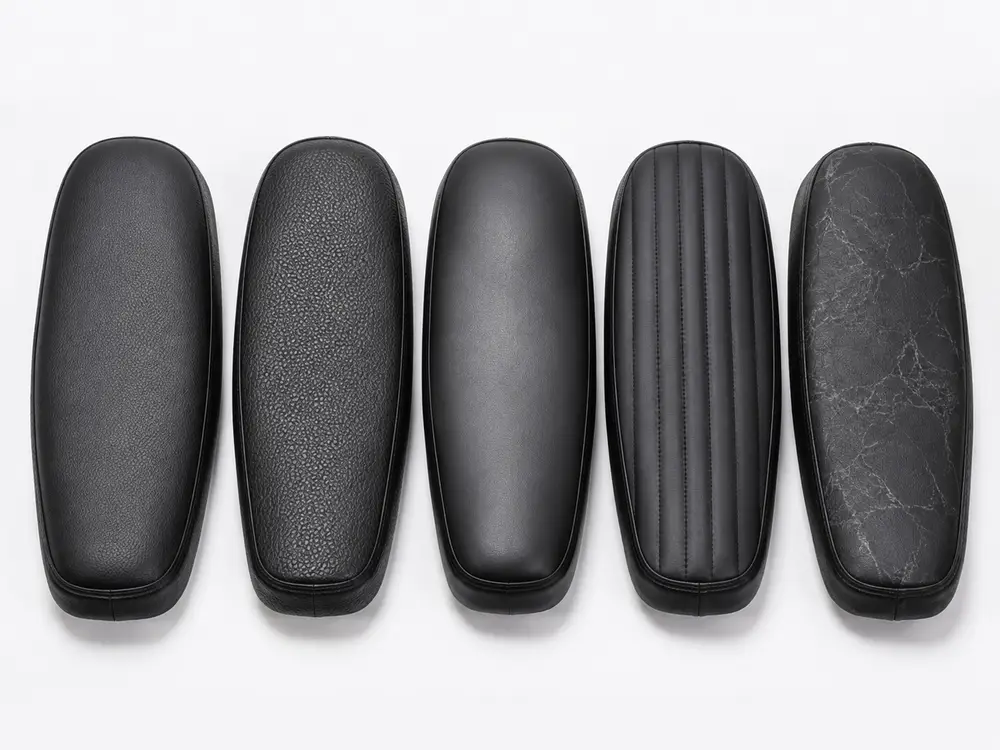
Surface design has a major influence on the appearance of a motorcycle seat.
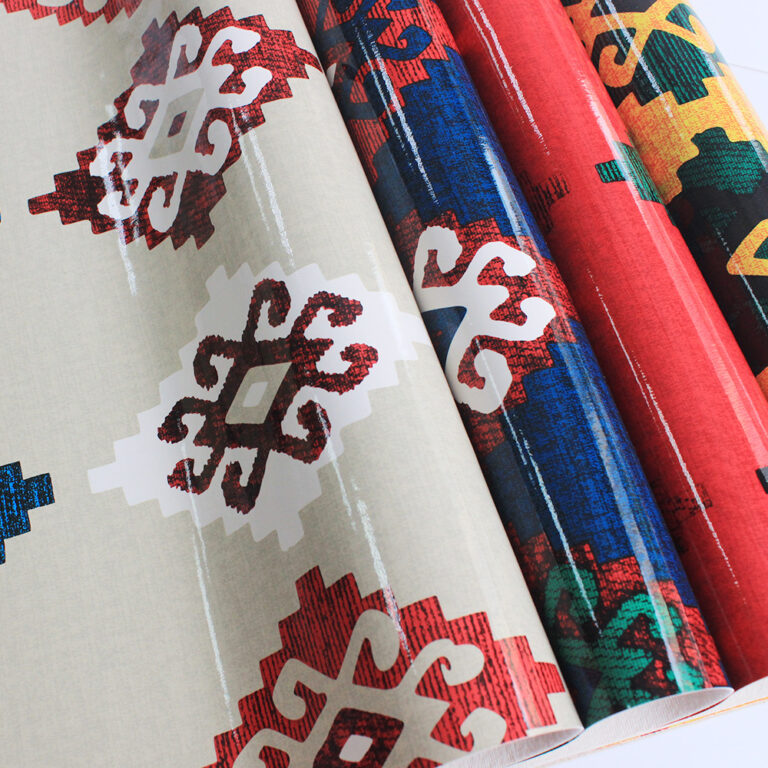
Common motorcycle upholstery options include fine grain, pebble grain, smooth surfaces and more decorative embossed patterns. Custom and aftermarket seats may also use stripes, geometric textures, marble-style patterns and other distinctive surface designs.
Fine and subtle grains generally create a cleaner and more conventional leather appearance.
Pebble and more pronounced embossed grains provide stronger surface texture, while decorative patterns can help differentiate custom motorcycle and scooter seat designs.
The best option depends on the style of the finished seat rather than on one universally preferred grain.
Directional patterns require additional attention during cutting.
For example, stripe or geometric materials should normally be positioned consistently across separate seat panels. Otherwise, the pattern direction can appear misaligned after sewing.
Color and surface gloss should also be confirmed using a physical sample.
Screen images are useful during initial selection, but monitors, cameras and lighting conditions can change the appearance of a color. For production orders, an approved physical reference provides a more reliable basis for confirming color, grain, gloss and hand feel.
When several panels or different materials will be combined on one seat, check that the selected colors and surface finishes also work together on the finished product.
A wider range of fine grain, pebble grain, patterned and stretch-backed materials can be compared in our Motorcycle Seat Leather collection.
Define the Required Performance Before Ordering
Motorcycle seats can experience different conditions from enclosed automotive seating.
Depending on the motorcycle, destination market and expected use, a seat may be exposed to repeated friction, sunlight, moisture, heat, cold and outdoor aging.
These requirements should be defined before bulk production rather than assuming that every synthetic leather provides the same performance.
Abrasion resistance may be important for areas exposed to repeated contact with riders’ clothing. Flexing performance can help evaluate whether the coating remains stable after repeated bending and movement.
For motorcycles that spend significant time outdoors, buyers may also need to define requirements for UV resistance, water resistance, heat aging, cold resistance or outdoor aging.
Water resistance should not be confused with the waterproof performance of an entire finished seat.
Even when the leather surface resists water, seams, stitching holes and the construction underneath the material can affect the water resistance of the complete seat assembly.
Sewing performance is another important consideration.
The backing and coating should provide sufficient stability around stitching areas for the required seat construction. The correct needle, thread, stitch spacing and seam design should therefore be tested together with the selected leather.
Depending on the project, additional requirements may include tear strength, tensile strength, seam strength, coating adhesion, color fastness, cleaning resistance, flame performance or restricted-substance requirements.
There is no single specification that applies to every motorcycle seat project.
OEM motorcycles, aftermarket replacement seats, scooter seats and custom upholstery can require different material standards. Buyers should therefore provide the required test method or technical specification before production whenever specific performance is required.
Test Samples Before Bulk Production
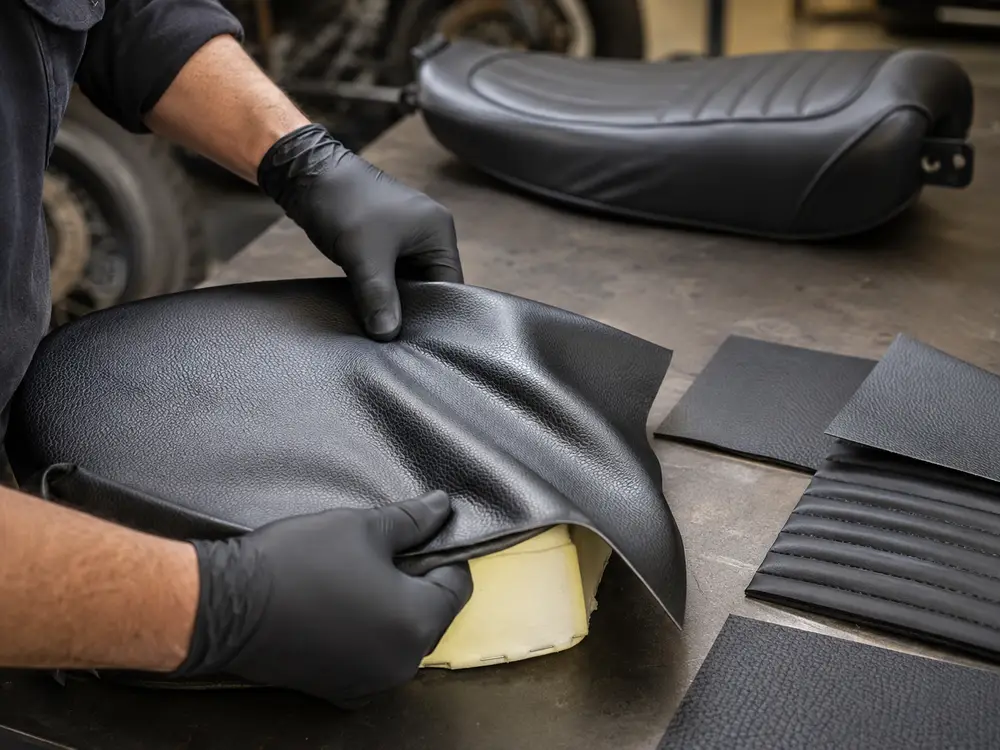
A physical sample is one of the most important steps when selecting leather for motorcycle seats.
Surface photographs cannot show exactly how a material will behave during cutting, sewing, stretching and installation.
Before approving bulk production, evaluate the material against the actual production requirements.
| Selection Item | What to Confirm |
|---|---|
| Application | Motorcycle, scooter, saddle or replacement seat |
| Seat Design | Flat, curved, stepped or highly contoured |
| Grain | Fine, pebble, smooth or decorative pattern |
| Color | Approved physical color reference |
| Finish | Matte, semi-matte or gloss |
| Thickness | Required specification and tolerance |
| Backing | Fabric type and construction |
| Stretch | Direction, amount and recovery |
| Sewing | Needle-hole and seam behavior |
| Flexibility | Ability to wrap around seat curves |
| Outdoor Performance | Required UV, moisture or aging tests |
| Width | Effective material width |
| Quantity | Trial and bulk requirements |
Whenever possible, make one actual seat cover or a representative production panel from the sample.
This provides a better indication of whether the material stretches correctly around the foam, whether wrinkles develop around curves, whether the grain becomes distorted and whether the seams remain stable during installation.
The sample can also be used to evaluate color and surface appearance on the finished seat rather than only on a flat material sheet.
After approval, the final purchase specification should clearly identify the selected product, color, grain, thickness, backing construction, width, required performance standards and approved reference sample.
For larger projects, a trial production run can provide additional confirmation before moving to full-scale manufacturing.
Recommended products
-
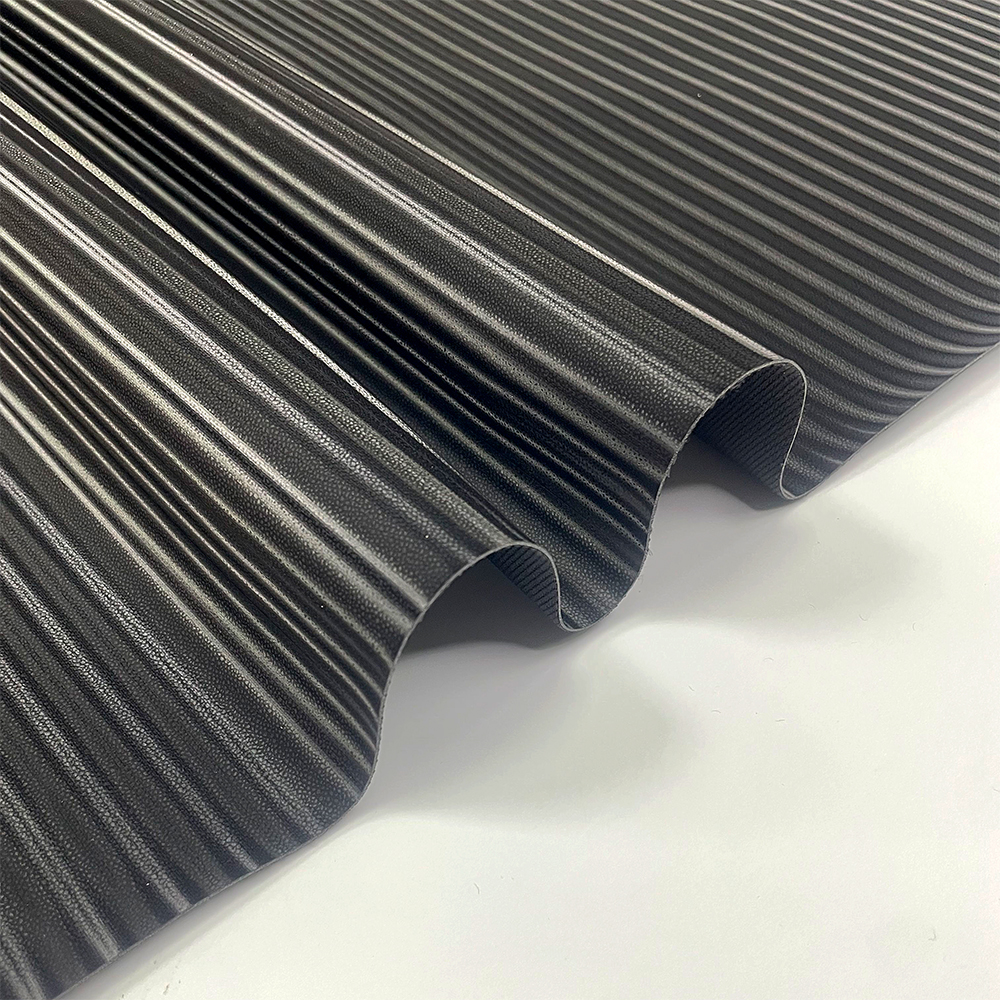
XZ73638 0.8mm Vertical Stripe PVC Leather for Motorcycle Seats with Terry Backing
-
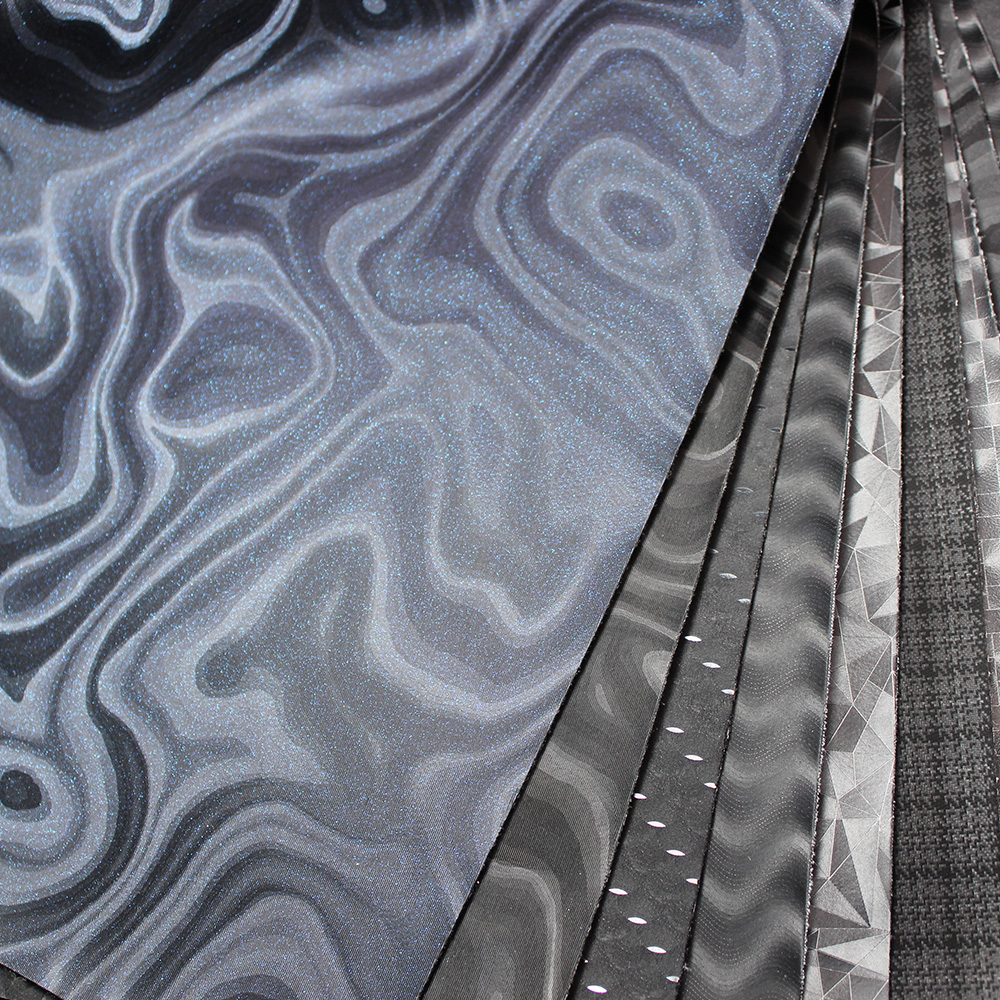
XZ73637 0.8mm 3D Marble Pattern PVC Leather for Motorcycle Seats with Terry Backing
-
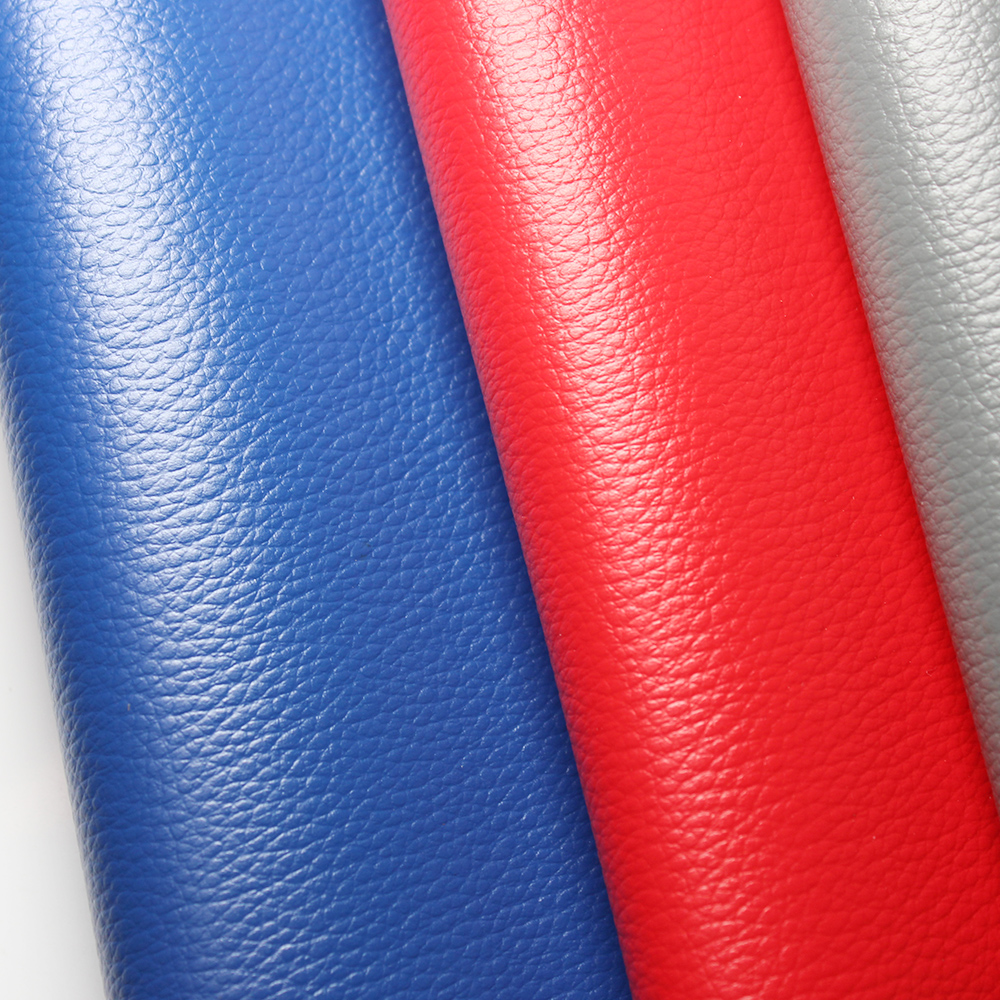
XZ73460 1.2mm Pebble Grain PVC Leather for Motorcycle Seats with Four-Way Stretch Backing
-
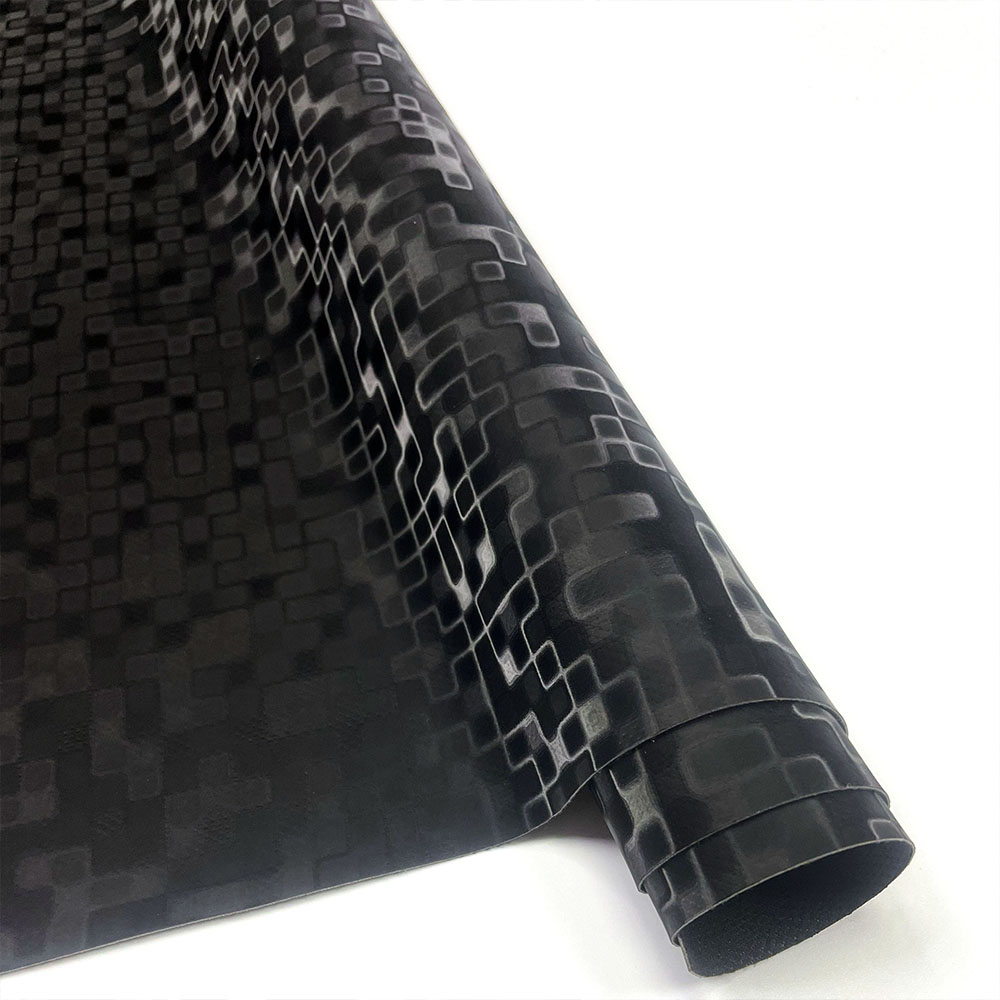
XZ73647 0.8mm Fine Pebble Grain PVC Leather for Motorcycle Seats with Terry Backing
Choosing Leather for Your Motorcycle Seat Project
The best leather for a motorcycle seat cannot be selected according to appearance or thickness alone.
Seat shape, backing construction, stretch direction, flexibility, surface pattern, sewing behavior and required outdoor performance all need to work together.
A practical selection process is:
Define the seat application → select the required construction → compare physical samples → test the material on the seat → confirm the final specification.
This approach can reduce problems such as excessive stretching, wrinkling, grain distortion and difficult sewing during motorcycle seat production.
Xiangze Leather supplies PVC synthetic leather for motorcycle seats, scooter seats, saddles, replacement covers and custom upholstery projects.
Our Motorcycle Seat Leather collection includes different grains, decorative patterns, thicknesses and backing constructions for different seat designs and manufacturing requirements.
For other vehicle upholstery materials, explore the complete Auto & Motorcycle Leather collection.
Tell us your seat application, preferred color and grain, required thickness, backing or stretch requirements, applicable testing standards and estimated quantity. Material samples can be provided for evaluation before bulk ordering.

About Xiangze Leather
Written by Xiangze Leather Editorial Team
Xiangze Leather supplies PVC synthetic leather for furniture upholstery, bags, footwear, automotive interiors, motorcycle seats and decorative applications. Material samples, specification options and quotation support are available according to project requirements.