What Is PVC Synthetic Leather? A B2B Buyer’s Guide

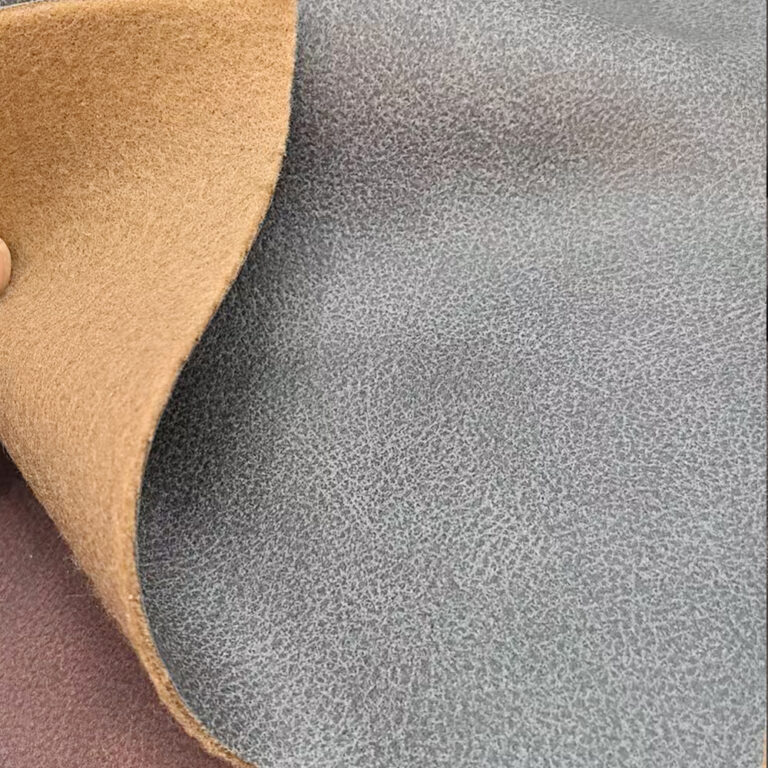
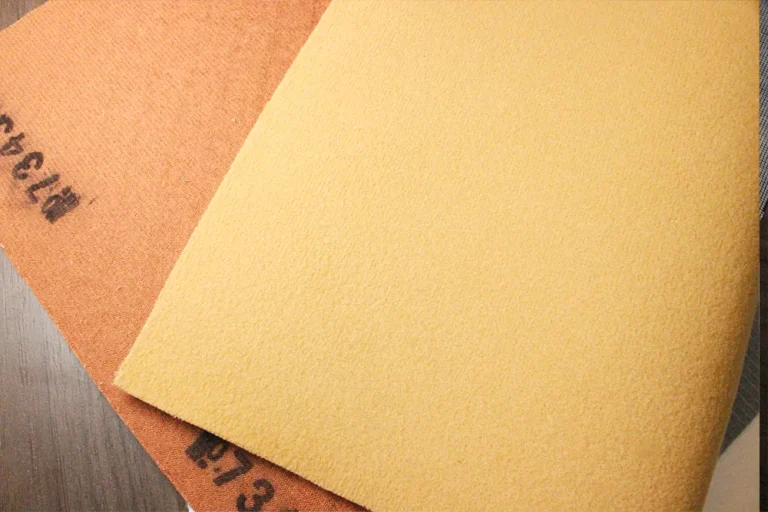
PVC synthetic leather is a coated textile material made by applying a polyvinyl chloride surface layer to a woven, knitted or nonwoven fabric backing. The coating creates the color, grain and finish, while the backing influences strength, flexibility, thickness and processing performance.
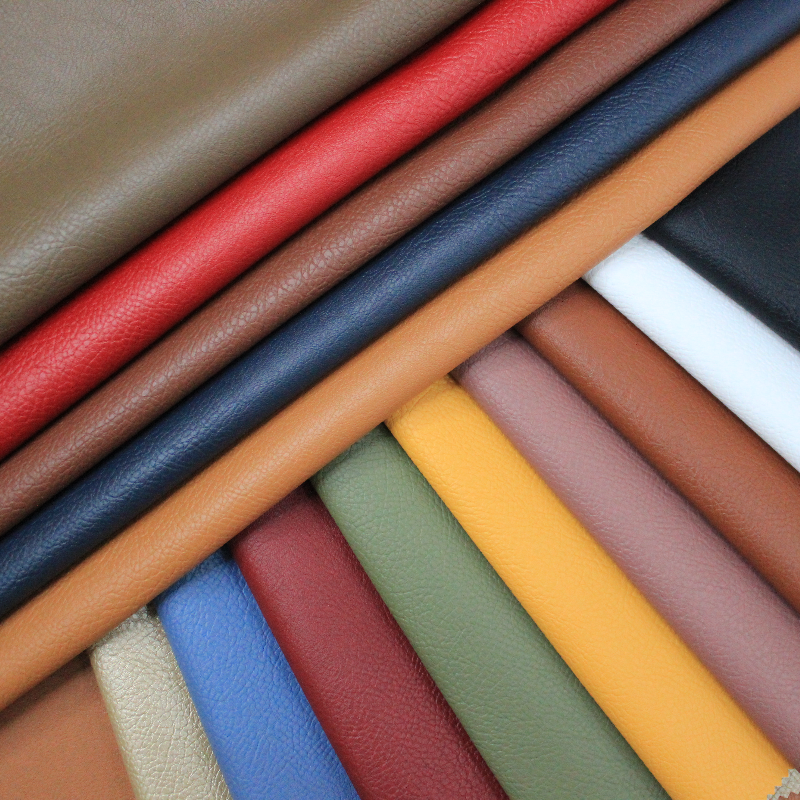
Because it is supplied in continuous rolls and can be produced in many colors, textures and constructions, PVC synthetic leather is widely used for furniture upholstery, bags, footwear, automotive interiors, motorcycle seats, table covers, packaging and decorative products.
For manufacturers and importers, however, choosing PVC leather involves more than selecting a color or grain. The application, thickness, backing, flexibility, performance requirements and destination-market standards should all be confirmed before bulk production.
PVC Synthetic Leather at a Glance
Material structure: PVC coating with a textile backing
Supply format: Continuous rolls
Available appearance: Multiple colors, grains, prints and finishes
Common applications: Furniture, bags, footwear, vehicle interiors and decorative products
Important purchasing step: Confirm samples and specifications before bulk production
What Is PVC Synthetic Leather?
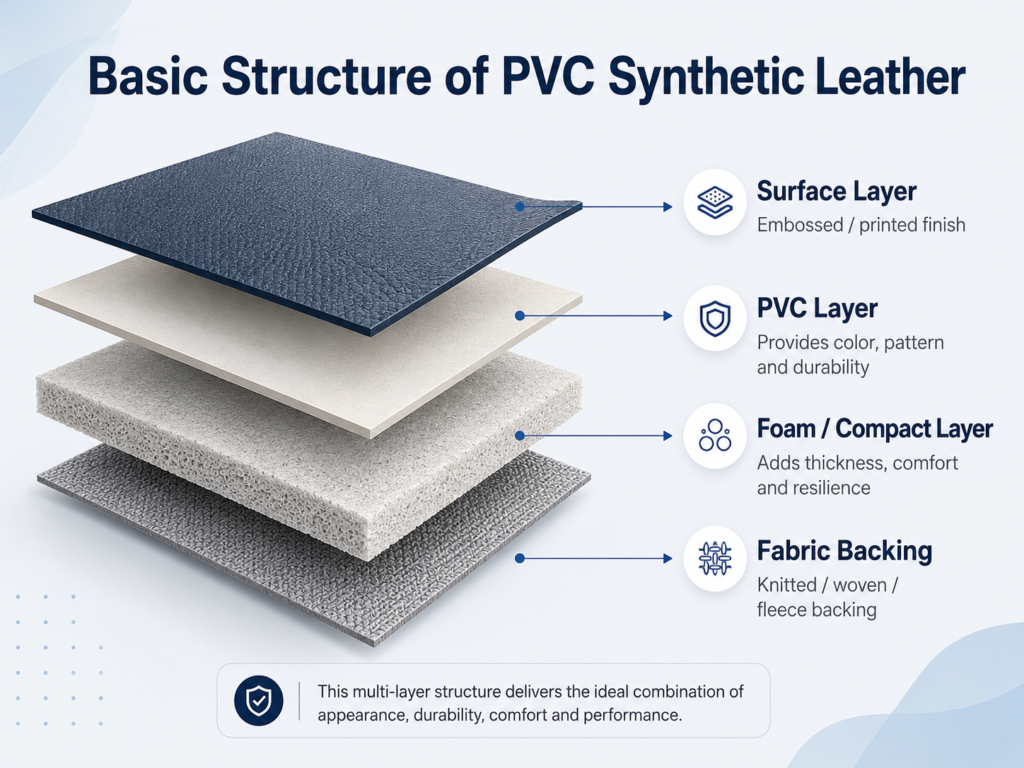
PVC stands for polyvinyl chloride, a thermoplastic material used to form the decorative and protective surface of PVC synthetic leather.
A typical PVC synthetic leather construction includes:
- A textile backing that provides structural support;
- One or more PVC layers that create the surface appearance and material body;
- An optional surface finish that adjusts gloss, touch or application-specific properties.
The surface can be embossed, printed or colored to create different visual effects, such as fine grain, pebble grain, geometric patterns, textile-inspired textures, animal patterns, matte finishes and glossy finishes.
Because the surface and backing can be adjusted during production, PVC synthetic leather is available in many combinations of color, texture, thickness, flexibility and construction.
How Is PVC Synthetic Leather Made?
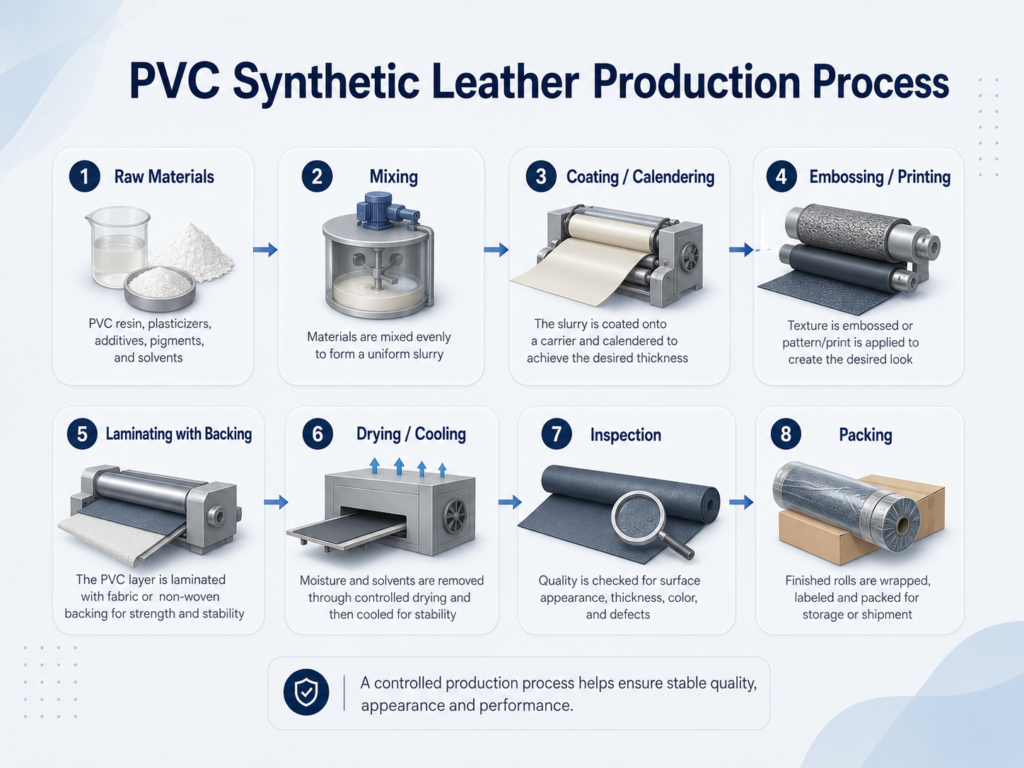
The manufacturing process begins with selecting a backing fabric that matches the required strength, flexibility, stretch and processing method. Materials for bags, furniture and vehicle seating may use different backing constructions even when their surface appearance is similar.
PVC resin is then combined with pigments and other processing materials to achieve the required color, softness and material body. The prepared PVC compound is applied or laminated to the backing in one or more layers.
Embossing rollers create the required grain or decorative pattern. The material may then receive a finishing treatment to adjust gloss, touch and surface behavior.
After production, the rolls are inspected according to the confirmed order specification. Typical checks include:
- Surface appearance and color
- Grain and finish
- Width and thickness
- Backing construction
- Roll condition
- Packing requirements
Properties such as abrasion resistance, flame resistance, UV resistance or restricted-substance compliance should only be claimed when the selected material has been produced and tested for those requirements.
Benefits and Common Applications
PVC synthetic leather offers a relatively consistent surface across production rolls. This makes it easier for manufacturers to coordinate colors, repeated components and cutting layouts than when working with irregular natural hides.
It is available in a wide range of colors, grains, prints, backing materials and surface finishes. The coating also provides a water-resistant surface that is generally easy to wipe clean. However, a finished product should not automatically be described as completely waterproof because water may still enter through stitching holes, seams, cut edges or exposed backing.
Durability depends on the complete construction rather than the term “PVC leather” alone. Thickness, backing strength, coating formulation, surface finish, cleaning method and exposure conditions all affect performance.
Furniture and upholstery
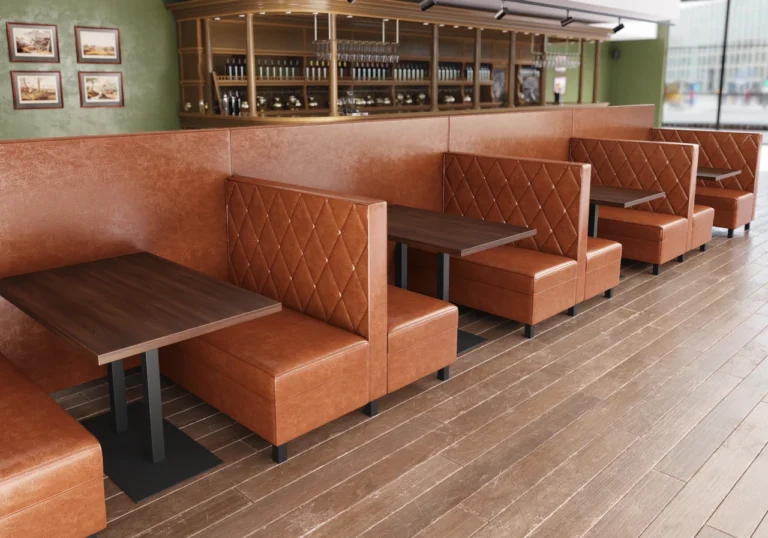
PVC upholstery leather can be used for sofas, dining chairs, office chairs, headboards, benches, stools and commercial furniture. Buyers generally compare softness, backing, thickness, grain and abrasion requirements.
Bags and luggage
Flexible PVC Bags leather is commonly selected for handbags, backpacks, wallets, cosmetic bags, luggage and protective cases. Important factors include folding behavior, backing strength, stitching performance and surface appearance.
Footwear and accessories
Footwear Leather Suitable constructions may be used for shoe uppers, sandals, slippers, belts and decorative fashion panels. Softness and backing selection should match the footwear manufacturing process.
Automotive and motorcycle interiors
Application-specific PVC Auto leather can be used for seats, headrests, door panels, armrests, interior trim and motorcycle seats. These applications may require defined standards for abrasion, aging, UV exposure, temperature resistance and color stability.
Packaging and decorative products
Printed or embossed PVC decorative leather can also be used for table covers, notebook covers, jewelry boxes, gift boxes, display cases, desk protectors and decorative wrapping.
Common Applications of PVC Synthetic Leather
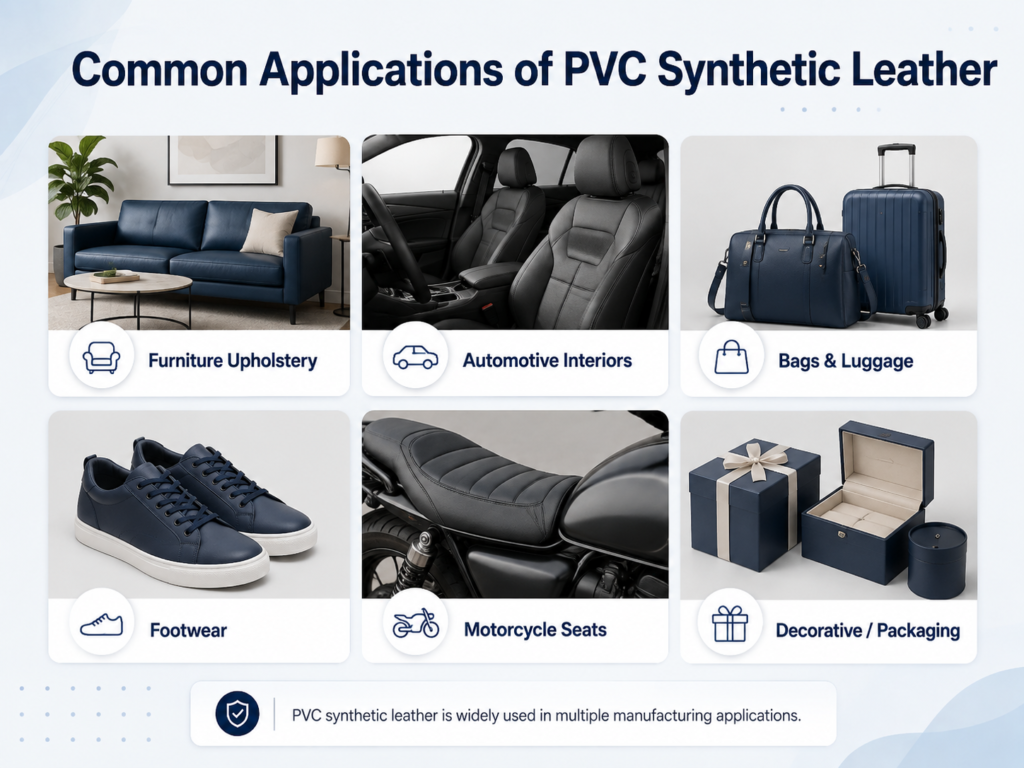
Furniture and Upholstery
PVC upholstery leather is commonly considered for:
- Sofas;
- Dining chairs;
- Office chairs;
- Headboards;
- Benches and stools;
- Hotel and commercial furniture;
- Upholstered wall panels.
Furniture buyers commonly compare grain, softness, backing construction, thickness, color and required performance standards.
Bags and Luggage
PVC leather can be used for:
- Handbags;
- Backpacks;
- Wallets;
- Cosmetic bags;
- Luggage;
- Cases;
- Fashion accessories.
Bag manufacturers often focus on surface appearance, flexibility, backing strength, folding behavior and stitching performance.We supply PVC leather for bags in different grains, thicknesses and backing options.
Footwear and Fashion Accessories
Available applications can include:
- Shoe uppers;
- Sandals;
- Slippers;
- Decorative shoe panels;
- Belts;
- Garment details;
- Fashion accessories.
The required softness, backing and folding behavior depend on the product construction.Manufacturers can select PVC leather for footwear according to the required flexibility, thickness and surface finish.
Automotive and Motorcycle Interiors
Application-specific PVC leather may be considered for:
- Vehicle seats;
- Headrests;
- Door panels;
- Armrests;
- Interior trim;
- Seat covers;
- Motorcycle and scooter seats.
Automotive and motorcycle applications can involve specific requirements for abrasion, temperature, aging, UV exposure, color stability and other performance characteristics.
Buyers should provide the required standard and test method before ordering.Our automotive PVC leather is suitable for car interiors, motorcycle seats and related upholstery applications.
Table Covers, Packaging and Decorative Products
Printed or decorative PVC leather can be used for:
- Table covers;
- Desk protectors;
- Decorative mats;
- Notebook covers;
- Jewelry and gift boxes;
- Display cases;
- Decorative wrapping;
- Interior covering products.
These applications may prioritize surface appearance, color consistency, bonding behavior and processing flexibility.
Explore PVC Leather by Application
Browse PVC synthetic leather materials for furniture upholstery,
bags, automotive interiors and other manufacturing applications.
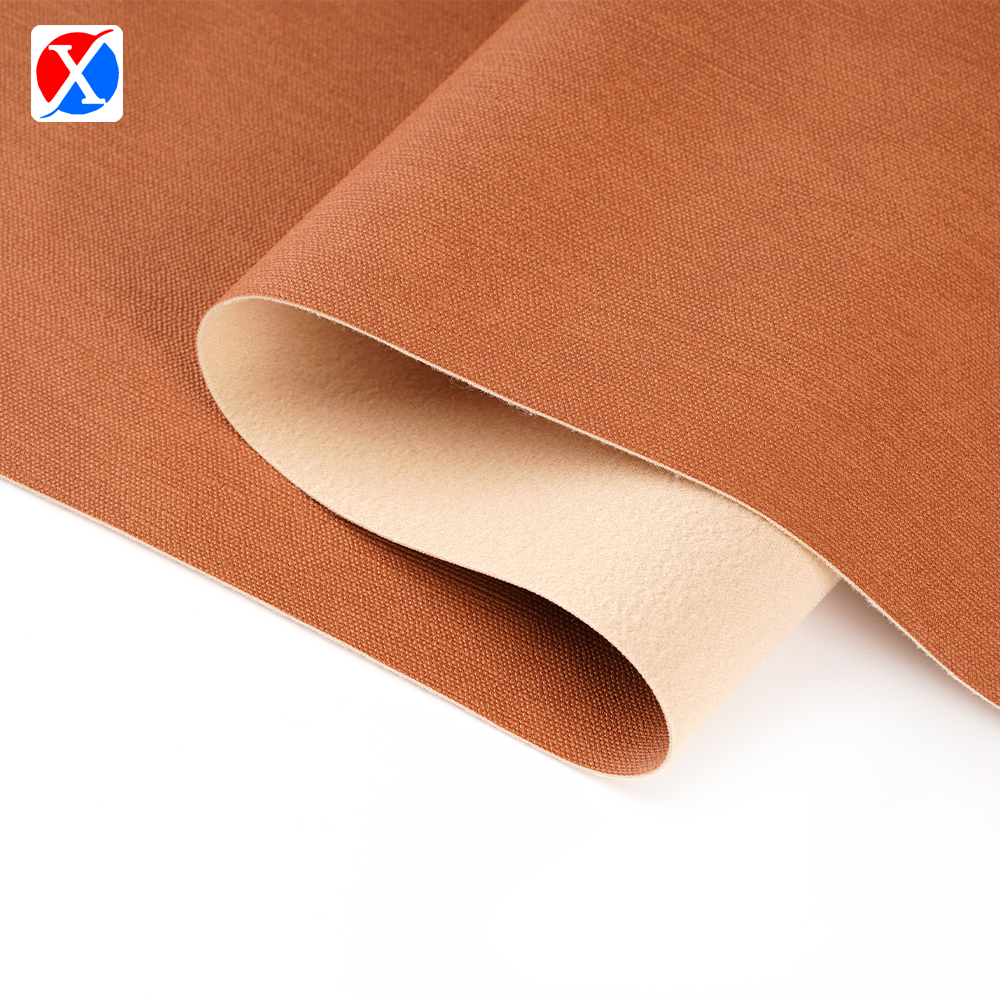
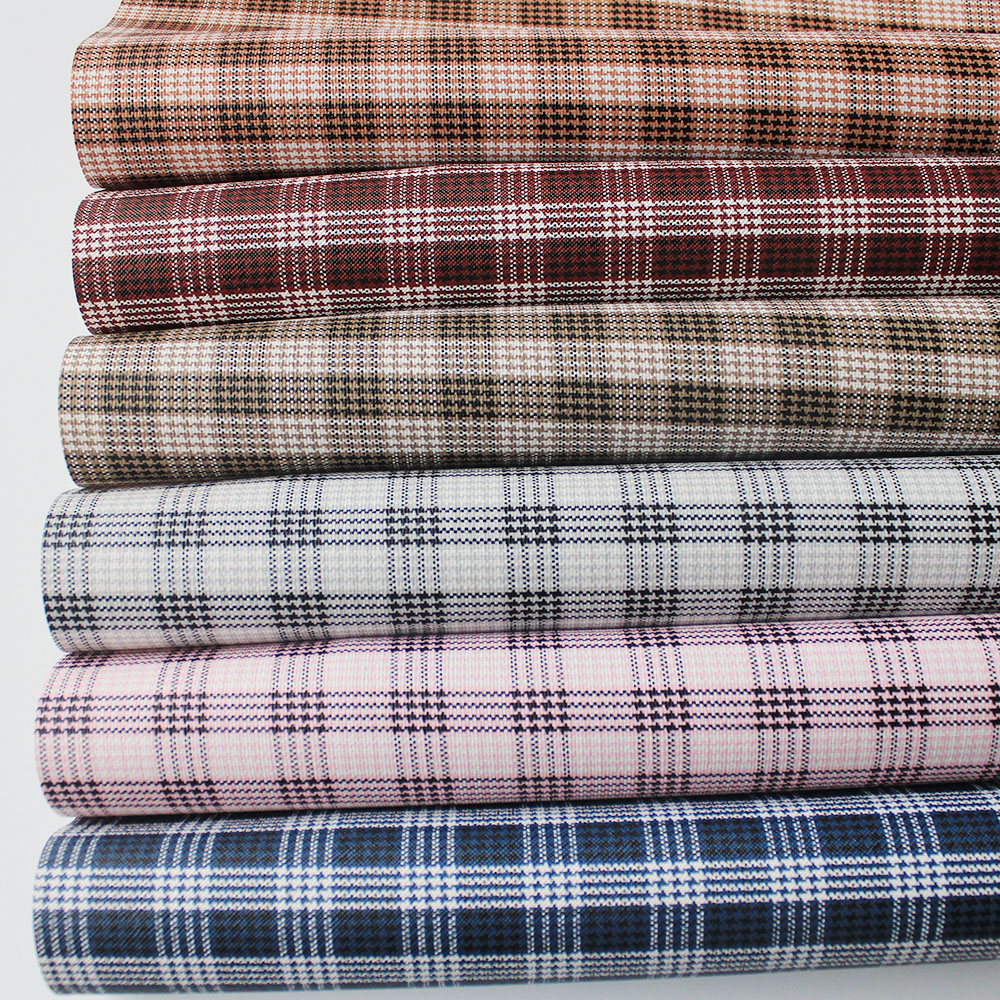
PVC Upholstery Leather
Durable PVC leather for sofas, chairs and furniture manufacturing, available in different grains, colors and backing options.
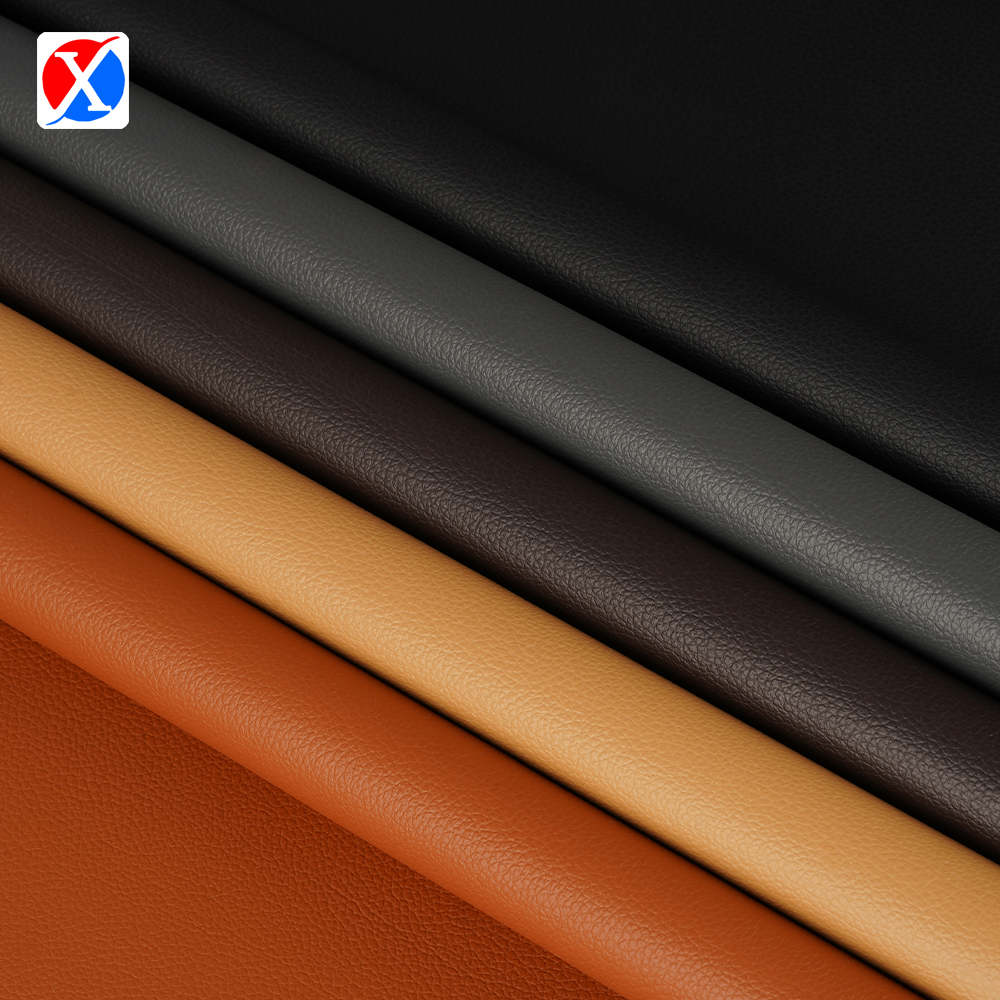
PVC Leather for Bags
Flexible synthetic leather for handbags, luggage, cases and other bag manufacturing applications.
Auto & Motorcycle Leather
PVC leather materials for automotive interiors, motorcycle seats and related upholstery applications.
Explore all our PVC synthetic leather products.
PVC Leather vs. Other Leather Materials
PVC, PU and genuine leather are different materials. The correct choice depends on the required appearance, feel, price target, processing method and product positioning.
PVC Leather vs. PU Leather
| Factor | PVC Synthetic Leather | PU Synthetic Leather |
|---|---|---|
| Main coating | Polyvinyl chloride | Polyurethane |
| Typical construction | Coated textile backing | Coated textile backing |
| Surface options | Embossed, printed, matte or glossy | Embossed and finished in different styles |
| Common priorities | Consistency, maintenance and commercial cost control | Softness, drape and lightweight construction |
| Typical applications | Furniture, bags, footwear, covers and vehicle interiors | Bags, garments, footwear and upholstery |
These descriptions are general tendencies rather than fixed rules. Actual performance depends on formulation, thickness, backing, coating construction and finishing treatment.
PVC Leather vs. Genuine Leather
| Factor | PVC Synthetic Leather | Genuine Leather |
|---|---|---|
| Material source | PVC coating and textile backing | Animal hide |
| Surface consistency | More controllable across rolls | Natural variation |
| Supply format | Continuous rolls | Individual hides |
| Color and grain options | Highly adjustable | Influenced by the hide and finishing process |
| Maintenance | Generally straightforward | Often requires specialized care |
| Material cost | Suitable for controlled commercial targets | Commonly positioned at a higher cost |
PVC synthetic leather is often selected when manufacturers need regular roll dimensions, repeatable colors and adjustable product specifications. Genuine leather may be preferred when natural variation and traditional leather characteristics are important.
How to Choose PVC Synthetic Leather
Confirm the Final Application
Tell the supplier whether the material will be used for furniture, bags, footwear, automotive interiors, motorcycle seats, table covers, packaging or another product.
The final application is the starting point for material selection.
Confirm the Required Appearance
Provide information about:
- Preferred color;
- Surface grain;
- Printed pattern;
- Gloss level;
- Reference sample;
- Product design.
When exact color matching is required, provide a physical color standard or an agreed color reference.
Confirm the Material Construction
Discuss:
- Required thickness;
- Roll width;
- Backing fabric;
- Flexibility;
- Stretch;
- Hand feel;
- Bonding or stitching requirements.
Available values depend on the product and production arrangement, so they should be confirmed before sampling.
Define Performance Requirements
Depending on the application and destination market, buyers may need to specify requirements related to:
- Abrasion resistance;
- Color fastness;
- UV exposure;
- Flame resistance;
- Cold resistance;
- Chemical restrictions;
- Heavy-metal limits;
- Phthalate requirements;
- Other market-specific standards.
The request should include the required test method and acceptance level whenever possible.
Evaluate a Physical Sample
A physical sample allows buyers to review:
- Color;
- Grain;
- Gloss;
- Backing;
- Thickness;
- Flexibility;
- Touch;
- Cutting and stitching behavior.
Samples should be evaluated under conditions relevant to the intended product.
Approve the Final Specification
Before bulk production, confirm:
- Product code;
- Approved sample;
- Color;
- Surface grain;
- Backing;
- Thickness and width;
- Quantity;
- Packing;
- Required tests;
- Delivery requirements.
Clear written confirmation reduces misunderstandings during production.
About Xiangze Leather
Written by Xiangze Leather Editorial Team
Xiangze Leather supplies PVC synthetic leather for furniture upholstery, bags, footwear, automotive interiors, motorcycle seats and decorative applications. Material samples, specification options and quotation support are available according to project requirements.
Need PVC Synthetic Leather for Your Project?
Xiangze Leather supplies PVC synthetic leather for furniture upholstery, automotive interiors, bags, motorcycle seats, packaging and other applications.
Available options include:
- Different thicknesses and surface grains
- Multiple backing materials
- Custom colors and patterns
- Samples for material evaluation
- Bulk supply for manufacturers and wholesalers
Tell us your required application, thickness, backing, color and estimated quantity. Our team will recommend a suitable material and provide a quotation.