PVC Leather vs Genuine Leather: What Is the Difference?

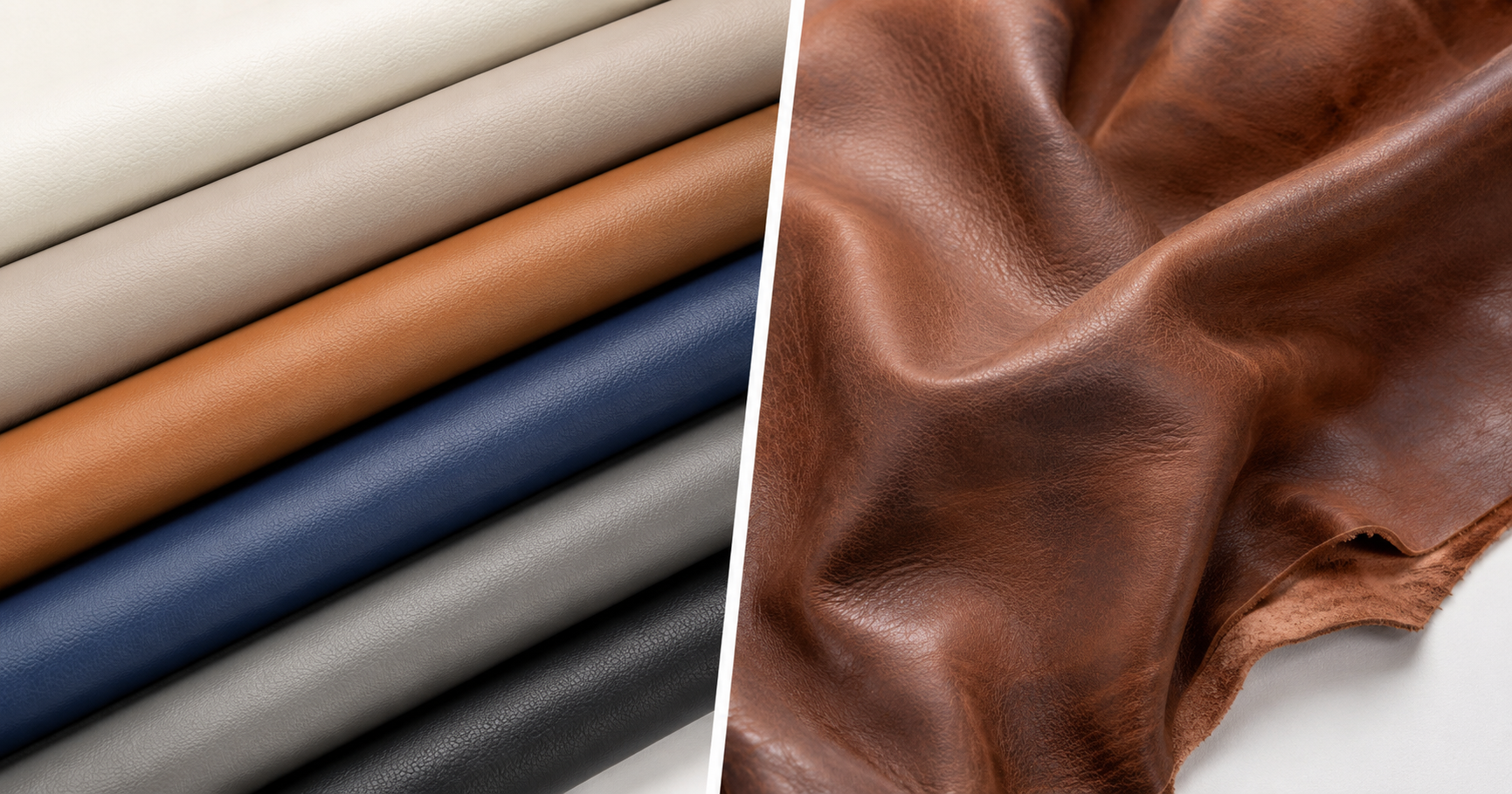
PVC leather and genuine leather can both create a leather-style appearance, but they are fundamentally different materials.
PVC synthetic leather is a manufactured coated textile supplied in continuous rolls, while genuine leather is produced from processed animal hide. This difference influences surface consistency, cutting efficiency, maintenance, cost, aging and suitability for different manufacturing applications.
For B2B buyers, neither material is automatically better. The right choice depends on the finished product, target market, required appearance, performance standards, production method and budget.
PVC Leather vs Genuine Leather at a Glance
| Factor | PVC Synthetic Leather | Genuine Leather |
|---|---|---|
| Material source | PVC coating with textile backing | Processed animal hide |
| Supply format | Continuous rolls | Individual hides |
| Surface consistency | More controllable between rolls | Natural variation between hides |
| Colors and grains | Highly adjustable | Influenced by hide and finishing |
| Cutting efficiency | Regular width supports planned cutting | Irregular hide shape requires more sorting |
| Cleaning | Generally easy to wipe clean | Often requires specialized care |
| Moisture response | Coated surface is generally water-resistant | Depends on leather grade and treatment |
| Aging | Designed for a consistent appearance | May develop patina and natural character |
| Cost positioning | Suitable for controlled commercial budgets | Commonly used in higher-priced products |
| Customization | Colors, grains, backing and thickness can be discussed | Limited by hide characteristics and leather grade |
These are general differences rather than fixed quality rules. The actual performance of either material depends on its grade, construction, thickness, finish and intended use.
Material Structure, Appearance and Consistency
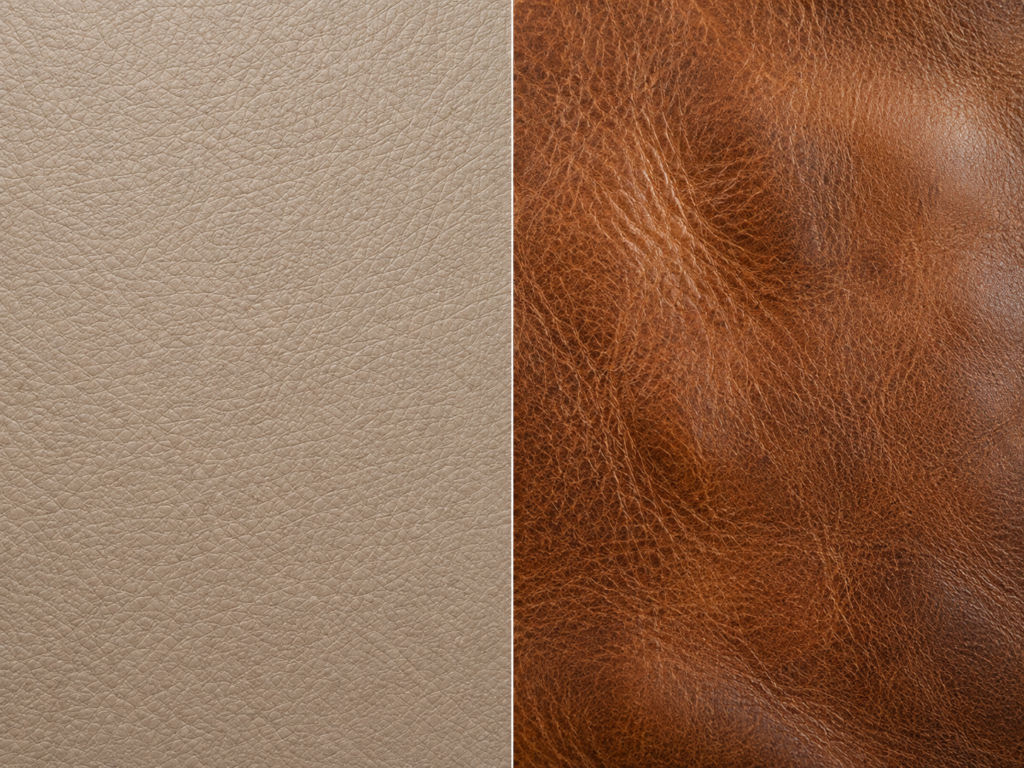
PVC synthetic leather
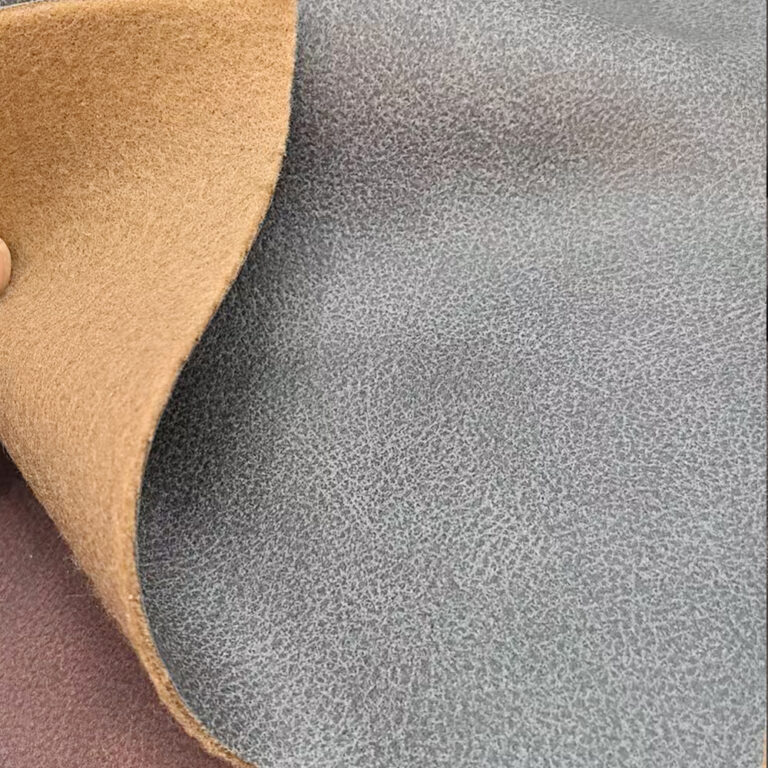
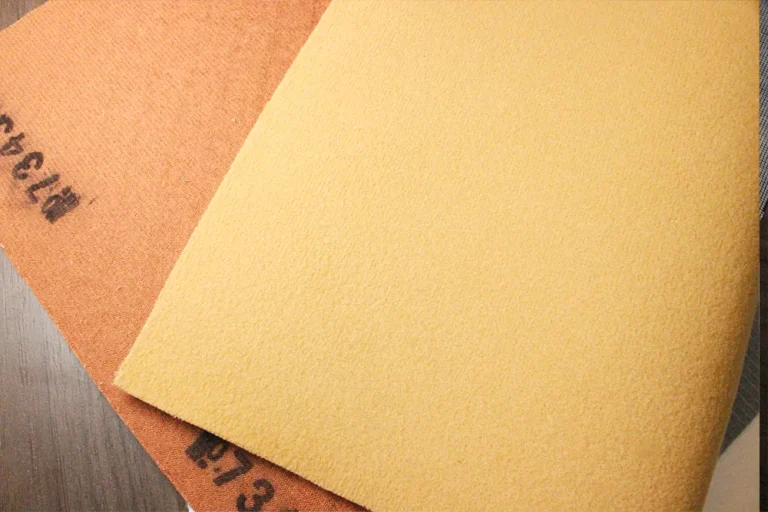
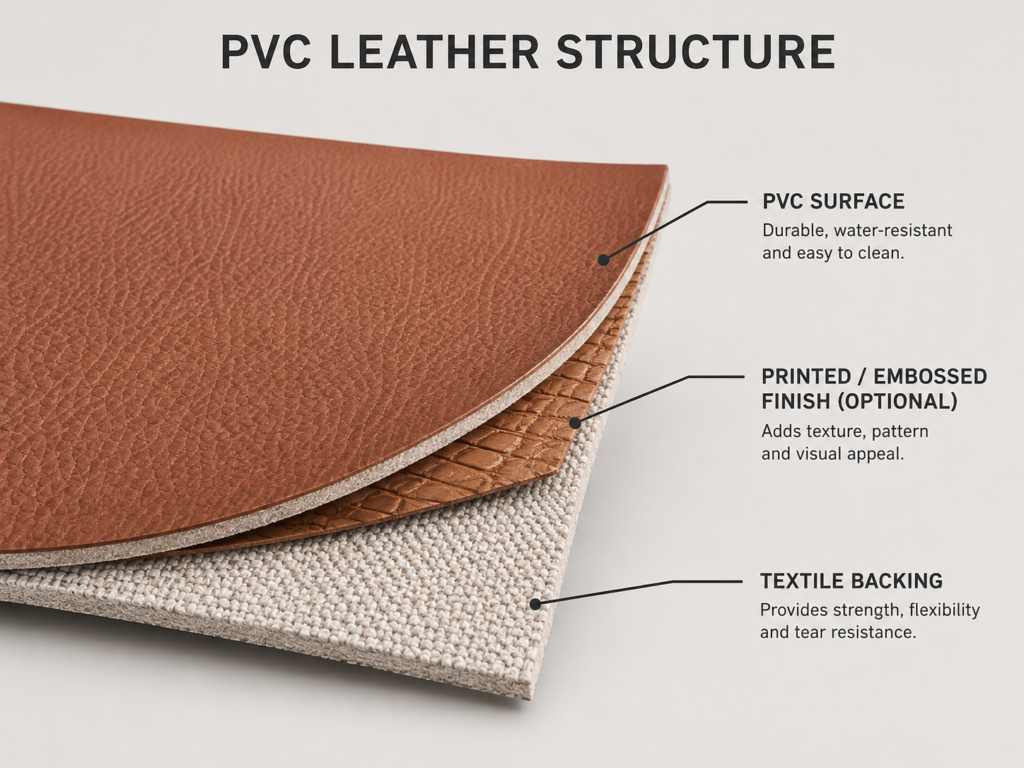
PVC synthetic leather is made by applying one or more polyvinyl chloride layers to a textile backing. The backing provides strength and structure, while the coating creates the color, grain, finish and material body.
Depending on the application, the backing may use woven fabric, knitted fabric, mesh, brushed fabric or nonwoven material. The surface can be embossed or printed to create fine grain, pebble grain, deep upholstery texture, geometric patterns, matte finishes or glossy decorative effects.
Because the material is manufactured under controlled production conditions, colors, grains and surface finishes can usually be repeated more consistently across production rolls.
Genuine leather
Genuine leather is made from animal hide that has been tanned and finished. Its appearance and performance depend on the animal source, hide quality, tanning process, surface treatment, thickness and leather grade.
Full-grain, top-grain, corrected-grain and split leather can differ significantly in appearance, price and durability. Buyers should therefore evaluate the specific leather grade rather than relying only on the words “genuine leather.”
Natural variation is one of genuine leather’s main characteristics. Grain, pores, wrinkles, shade and surface marks may vary from one hide to another. This natural character can be desirable in premium products, but it may also require more sorting and cutting control during production.
Performance, Maintenance and Production Cost
Surface feel and aging
Genuine leather is often selected when natural touch, surface variation and aging character are important. Some genuine leather products develop a patina and changes in tone or texture over time.
PVC leather is normally selected when buyers need repeatable colors, consistent grains and more predictable production specifications. Its softness can be adjusted through the coating construction, formulation and backing, but it does not normally age in the same way as natural leather.
Water resistance and cleaning
PVC leather has a relatively non-porous coated surface. Light dirt and spills can generally be removed using a soft damp cloth and a mild cleaning solution.
However, this does not mean that every finished product is completely waterproof. Water may still enter through stitching holes, seams, cut edges, perforations, damaged coating or exposed backing.
The moisture response of genuine leather depends on its grade and surface treatment. Some leather requires more careful cleaning and conditioning to avoid drying, staining or surface damage.
Cutting and production efficiency
PVC synthetic leather is normally supplied in rolls with a relatively regular usable width. This allows manufacturers to plan cutting layouts, estimate material consumption and produce repeated components more efficiently.
Genuine leather is supplied as individual hides with irregular shapes. Natural marks, edge areas and surface variation may reduce usable cutting yield or require more manual inspection.
Material and production cost
PVC leather is often used when a project requires scalable production, repeatable appearance and controlled material costs.
Genuine leather normally has a higher purchase price, although the actual cost depends heavily on leather type, grade, origin and finishing method.
Buyers should compare the total production cost rather than only the price per meter or per hide. Cutting yield, rejected areas, labor, sorting, maintenance and product positioning can all affect the final cost.
Which Material Is Better for Different Applications?
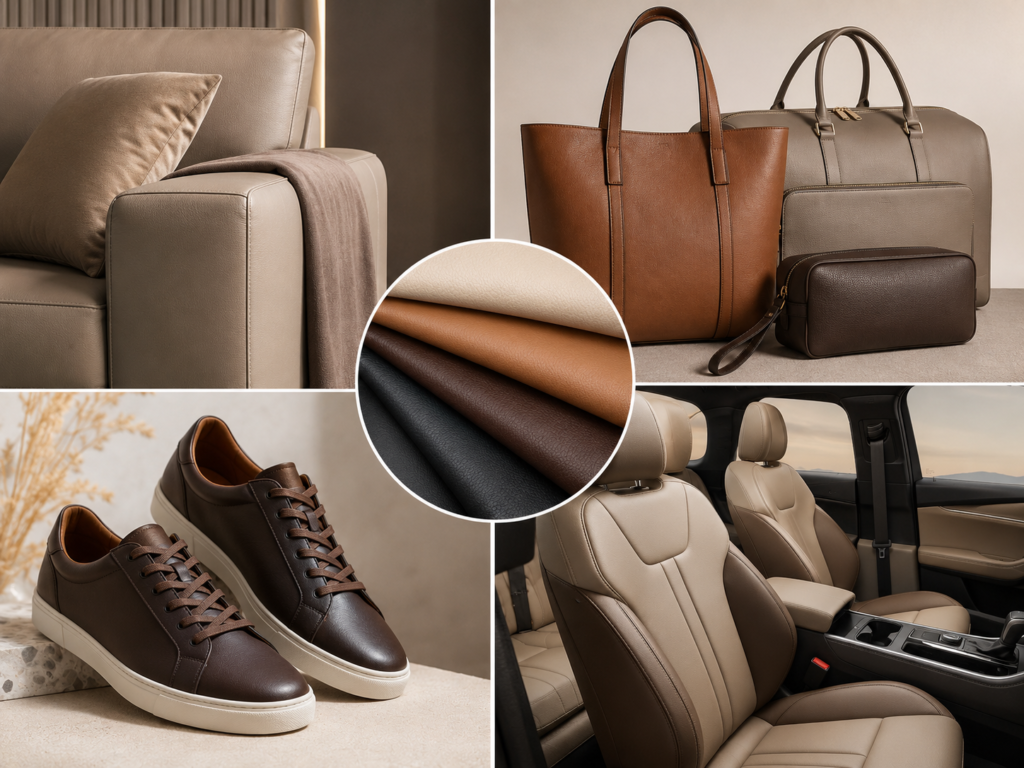
There is no single best material for every product. The selection should be based on the application and the expectations of the target customer.
Furniture and upholstery
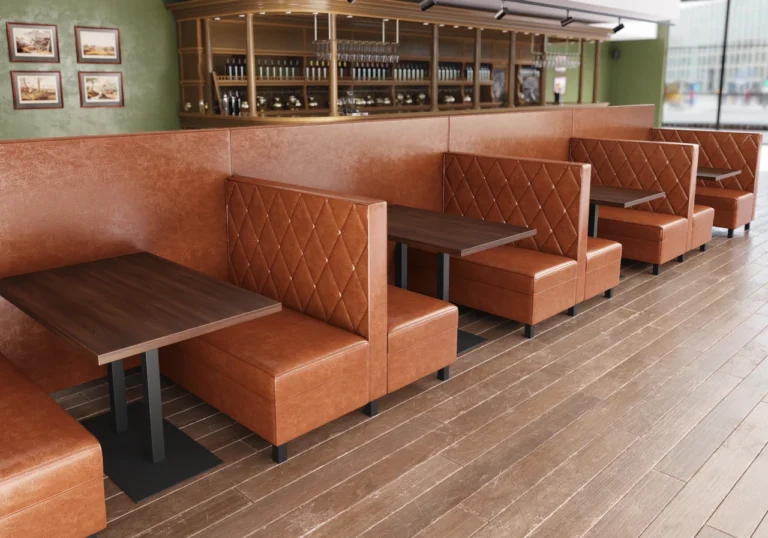
PVC upholstery leather can be suitable for sofas, dining chairs, office chairs, headboards and commercial furniture when manufacturers need consistent colors, repeatable grain, continuous rolls and straightforward cleaning.
Genuine leather may be preferred for premium furniture where natural touch, grain variation and patina are important parts of the product positioning.
Bags and luggage
PVC Bags for leather can be used for handbags, backpacks, wallets, luggage and protective cases that require multiple colors, decorative patterns and repeatable production.
Genuine leather is often selected for higher-priced bags where natural feel, aging and premium material positioning are central to the design.
For either material, manufacturers should evaluate flexibility, folding behavior, stitching performance, edge treatment and backing strength.
Footwear and accessories
Suitable PVC Footwear for leather constructions can be used for shoe uppers, sandals, slippers, belts and decorative fashion components.
Genuine leather may be preferred when natural softness, breathability or premium positioning is required. The material should be tested according to the actual footwear construction rather than selected only by appearance.
Automotive and motorcycle interiors
Application-specific automotive PVC leathercan be used for vehicle seats, door panels, headrests, armrests, interior trim and motorcycle seats.
These applications may require defined standards for abrasion resistance, temperature aging, UV exposure, cold resistance and color stability.
Genuine leather may be selected for premium interiors, although cost, maintenance and natural variation should be considered.
Packaging and decorative products
PVC decorative leather is frequently used for jewelry boxes, watch boxes, gift packaging, notebook covers, display cases, decorative wrapping and table covers.
These applications benefit from consistent colors, printed patterns, regular roll dimensions and relatively easy bonding or wrapping. Genuine leather may be used when natural material character is part of a premium brand presentation.
Explore PVC Leather by Application
Browse PVC synthetic leather materials for furniture upholstery,
bags, automotive interiors and other manufacturing applications.
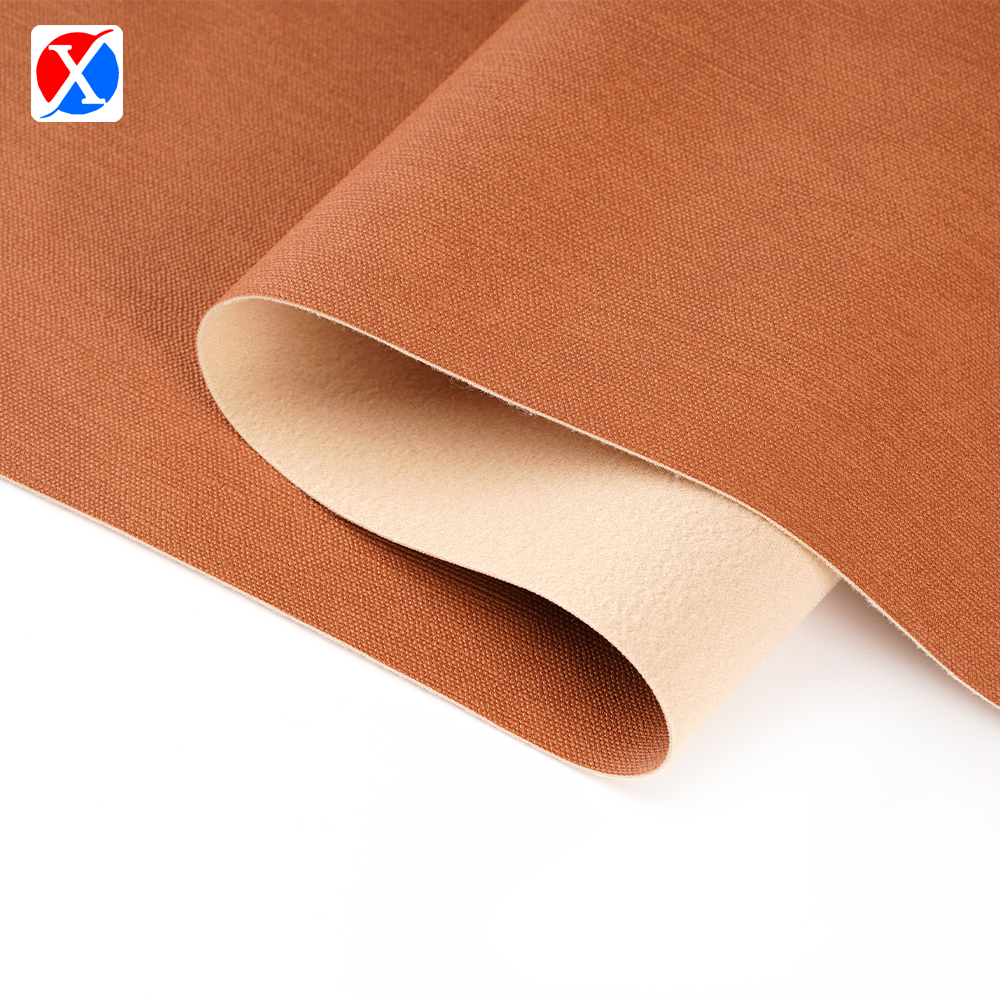
PVC Upholstery Leather
Durable PVC leather for sofas, chairs and furniture manufacturing, available in different grains, colors and backing options.
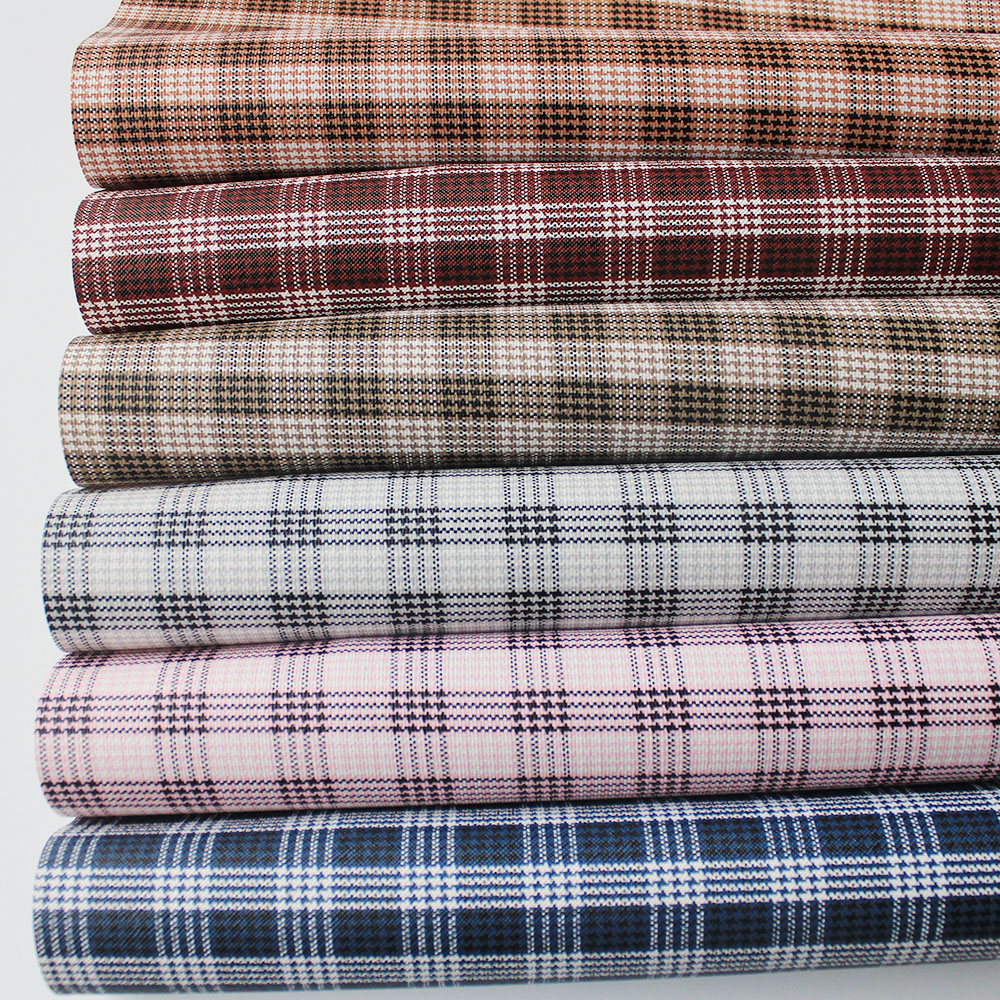
PVC Leather for Bags
Flexible synthetic leather for handbags, luggage, cases and other bag manufacturing applications.
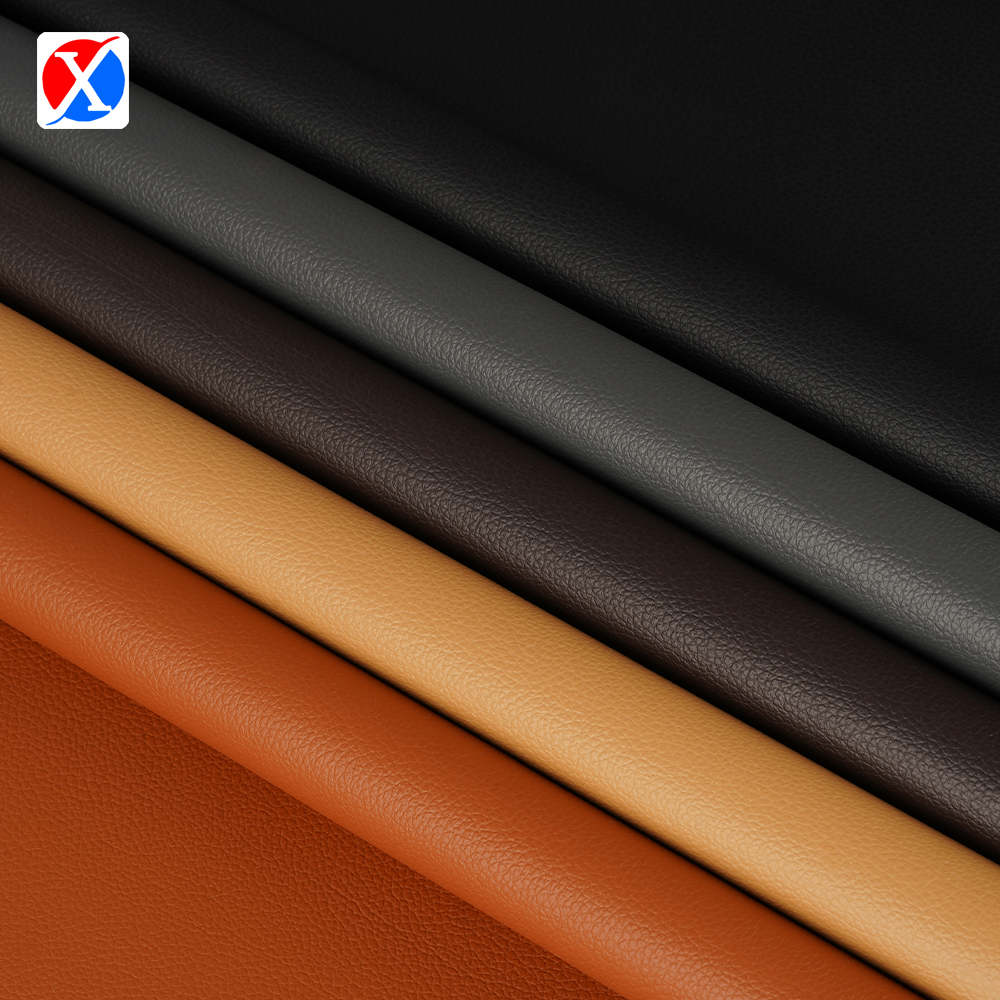
Auto & Motorcycle Leather
PVC leather materials for automotive interiors, motorcycle seats and related upholstery applications.
Explore all our PVC synthetic leather products.
How Should B2B Buyers Choose?
Before selecting PVC leather or genuine leather, buyers should define the finished product and required specifications clearly.
Confirm the final application
Explain whether the material will be used for furniture, bags, footwear, automotive interiors, motorcycle seats, packaging or another product.
Materials that look similar may have different backing strength, flexibility, thickness and performance.
Confirm the product positioning
Consider whether the finished product is intended for:
- Commercial mass production
- Entry-level products
- Mid-range collections
- Premium products
- Luxury positioning
PVC leather is often suitable for standardized commercial production, while genuine leather may be preferred when natural material character supports a higher product position.
Confirm appearance and construction
For PVC leather, confirm:
- Color and reference sample
- Grain or printed pattern
- Gloss level
- Thickness and width
- Backing material
- Flexibility and stretch
- Hand feel
- Surface finish
For genuine leather, confirm:
- Leather type and grade
- Thickness
- Hide size
- Surface finish
- Acceptable natural marks
- Color variation tolerance
Define performance and compliance requirements
Depending on the product and destination market, buyers may need to specify requirements for:
- Abrasion resistance
- Color fastness
- Flexing resistance
- UV exposure
- Temperature aging
- Flame resistance
- Restricted substances
- Phthalate limits
- Heavy metals
- REACH or RoHS-related requirements
Neither PVC leather nor genuine leather should automatically be described as sustainable, waterproof or highly durable without supporting specifications and relevant test information.
Approve a physical sample
Always evaluate a representative sample before bulk production. Check the color, grain, feel, thickness, reverse side, cutting behavior, stitching, folding and bonding performance.
The final purchase order should clearly identify the approved sample, material construction, required tests, quantity, packing method and delivery terms.

About Xiangze Leather
Written by Xiangze Leather Editorial Team
Xiangze Leather supplies PVC synthetic leather for furniture upholstery, bags, footwear, automotive interiors, motorcycle seats and decorative applications. Material samples, specification options and quotation support are available according to project requirements.