PVC Leather for Furniture: How to Choose

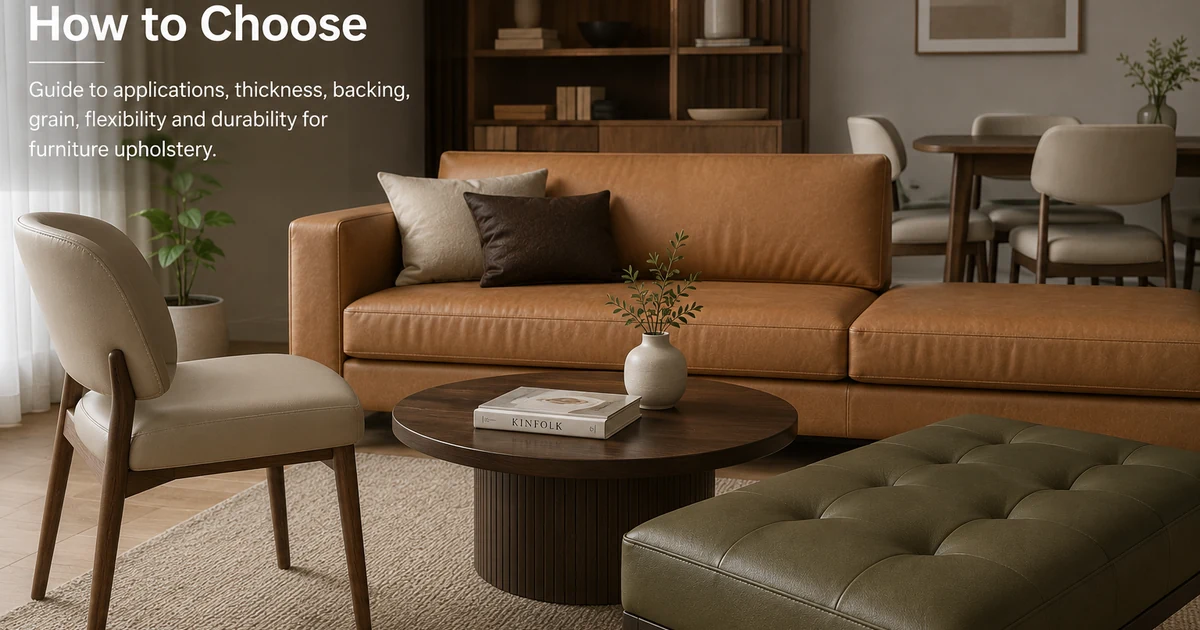
PVC leather for furniture is available in many colors, grains, thicknesses and backing constructions, but materials that look similar can behave very differently during upholstery production.
A material suitable for an office chair may not be the best choice for a soft bench, headboard, dining chair or heavily used commercial seating. The furniture shape, upholstery method, backing fabric, flexibility and required performance all need to be considered together.
For furniture manufacturers and upholstery buyers, the most reliable approach is to define the finished application first and then compare suitable material constructions.
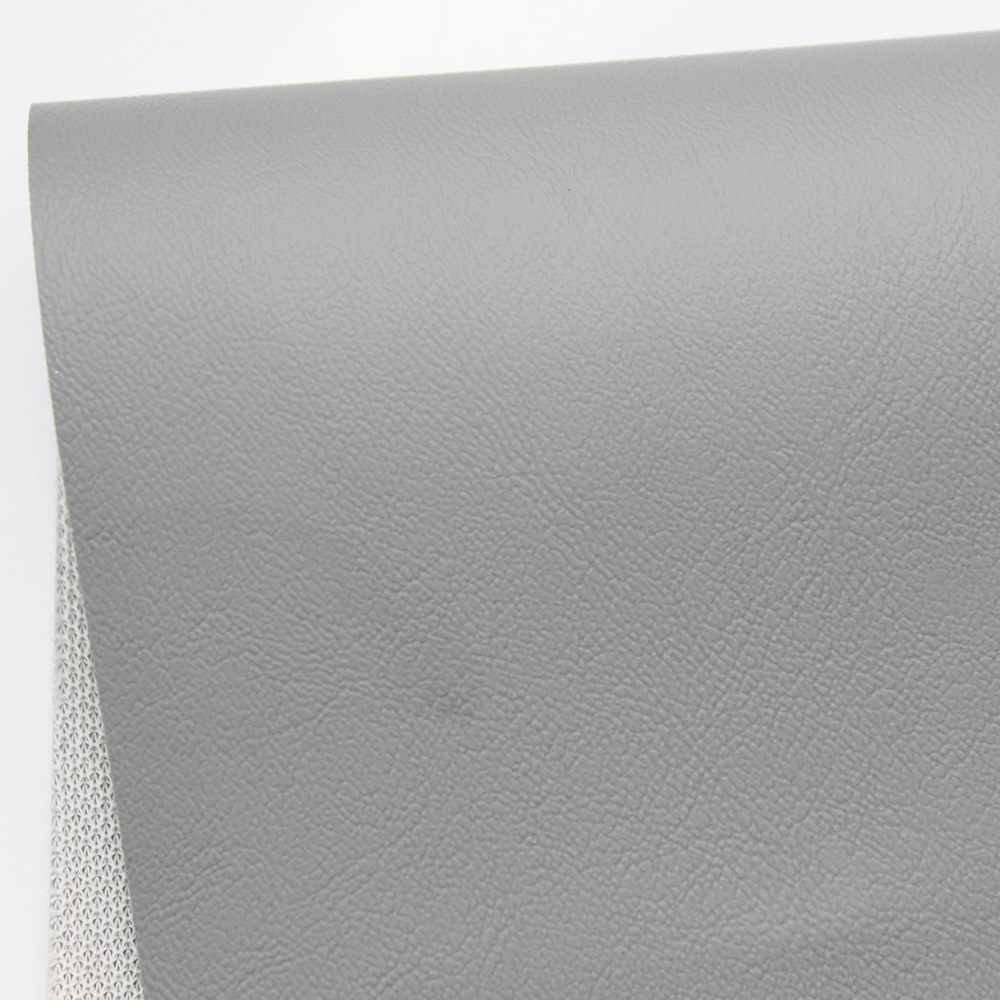
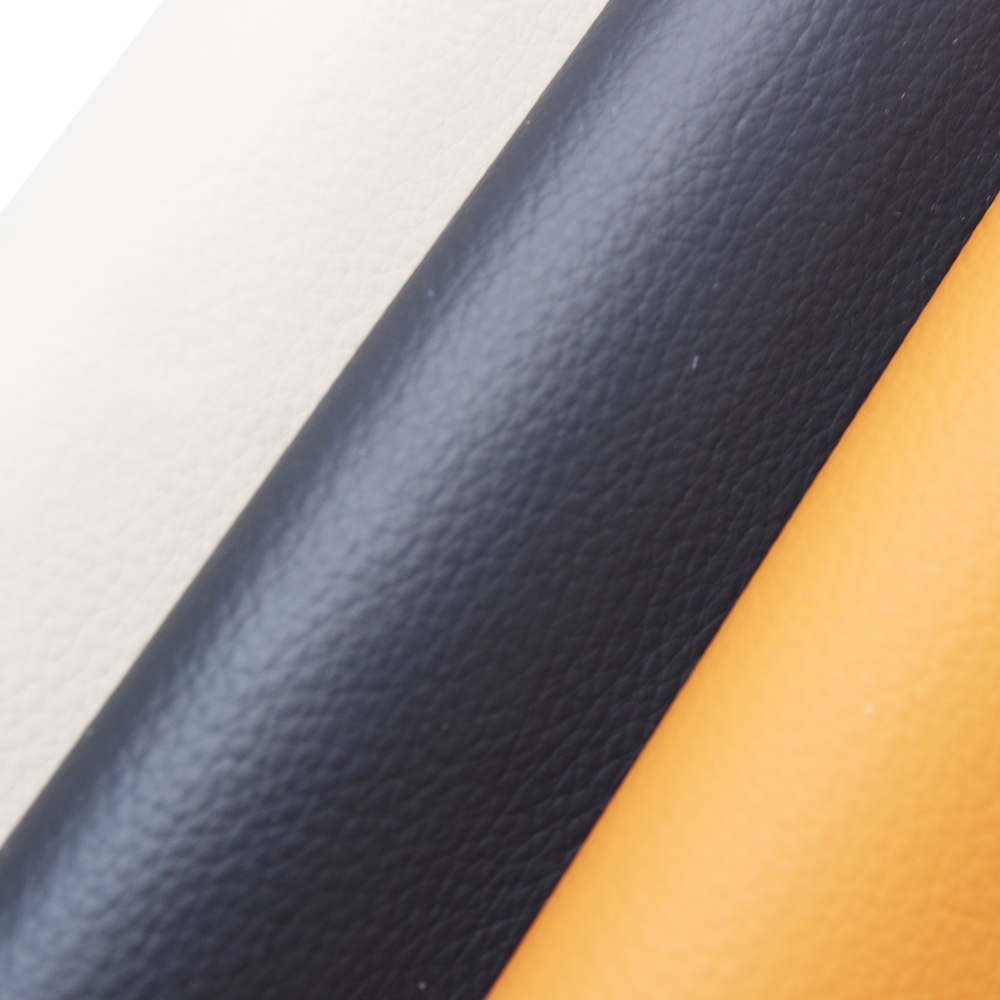
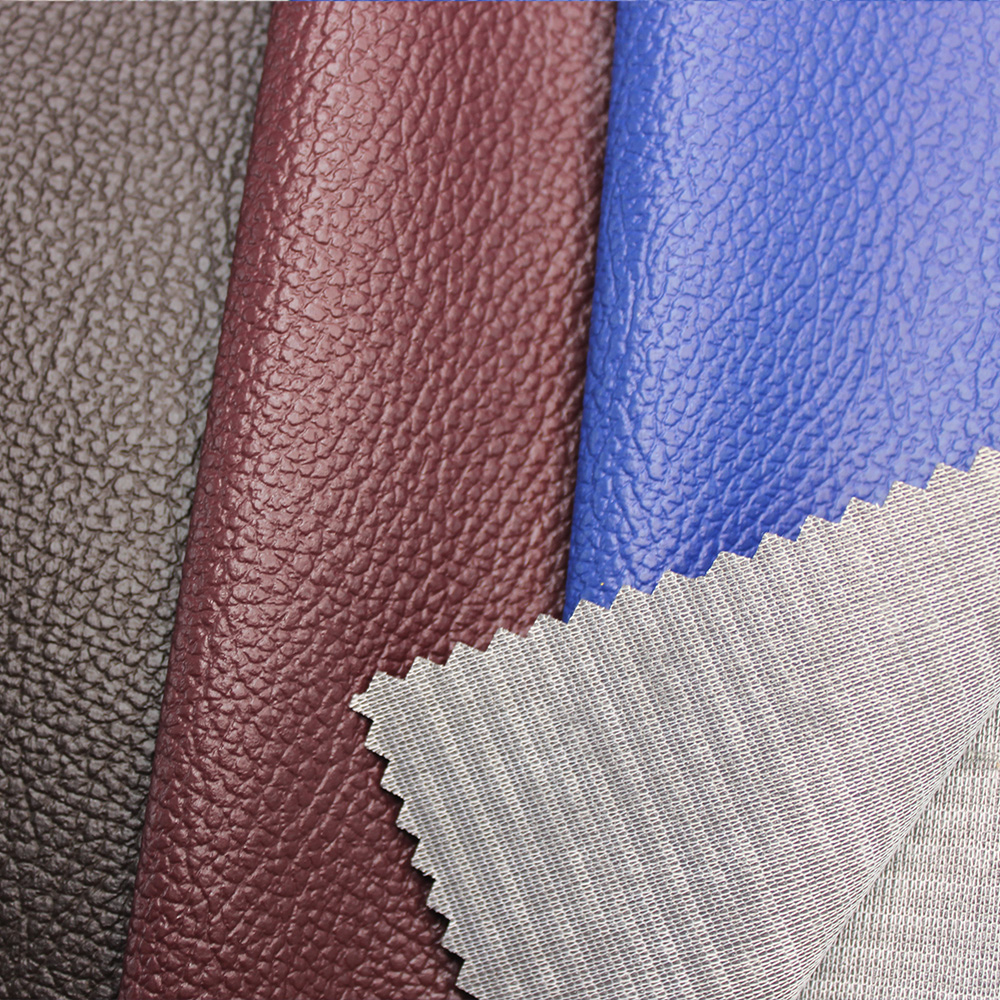
Xiangze Leather supplies Furniture Leather with different surface grains, thicknesses and textile backing options for furniture manufacturing and upholstery projects.
This guide explains the main factors to consider when choosing PVC leather for furniture.
Start with the Furniture Application
The first question should not be which grain or color looks best.
It should be: Where will the material be used?
Furniture includes many different products and upholstered components, and each can place different demands on the material.
Dining and Upholstered Chairs
Dining chairs often use relatively small upholstered panels that need to wrap cleanly around foam and curved edges.
The material should have enough flexibility for the required shape while remaining stable during stretching, stapling and edge finishing.
For heavily used restaurant or hospitality seating, buyers may also need higher abrasion, cleaning and color-fastness requirements than for occasional residential chairs.
Office Chairs
Office chairs are exposed to frequent sitting, movement and friction.
Seat cushions, backrests and armrest areas can therefore require good abrasion resistance, coating adhesion and dimensional stability.
The material should also be tested around curved seat edges and areas where it is tightly stretched over foam.
Benches and Stools
Benches and stools can use large flat panels or highly rounded upholstered shapes.
Large flat surfaces generally benefit from good dimensional stability so that the material does not distort during cutting and installation.
Rounded stools may require greater flexibility to avoid wrinkles around the edges.
Headboards and Decorative Furniture Panels
Headboards, wall panels and decorative furniture surfaces usually experience less friction than seating surfaces.
This means surface appearance, softness, grain, color and ease of processing may be more important than extremely high abrasion performance.
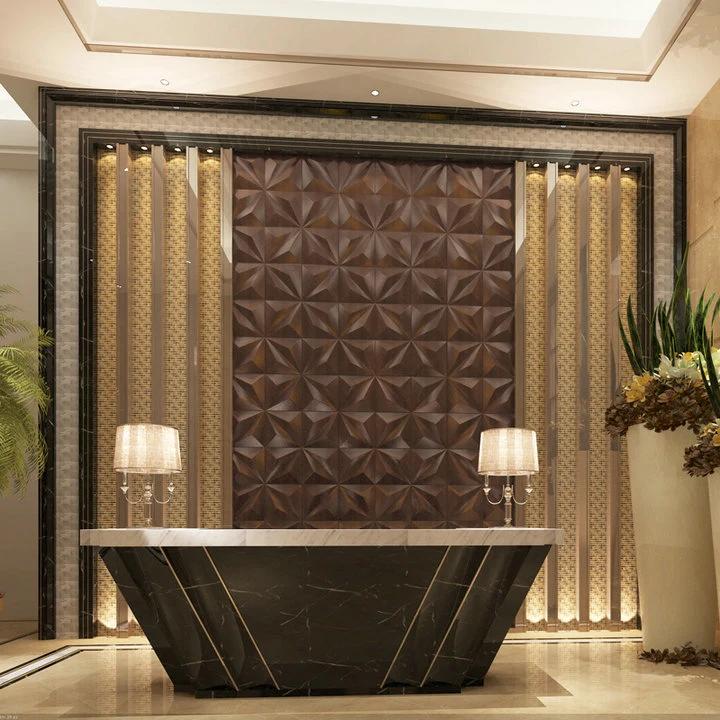
Decorative applications can also use deeper grains or more distinctive finishes that may be less suitable for frequently used seating surfaces.
Commercial Furniture
Furniture for hotels, restaurants, offices, public spaces and other commercial environments often requires more clearly defined performance specifications.
Depending on the project, buyers may need to confirm requirements for abrasion, cleaning resistance, flame performance, color fastness or restricted substances.
The intended environment should therefore be provided to the supplier before selecting the material.
For sofa-specific upholstery requirements, see our guide on How to Choose PVC Leather for Sofa Upholstery.
Choose the Right Thickness and Material Body
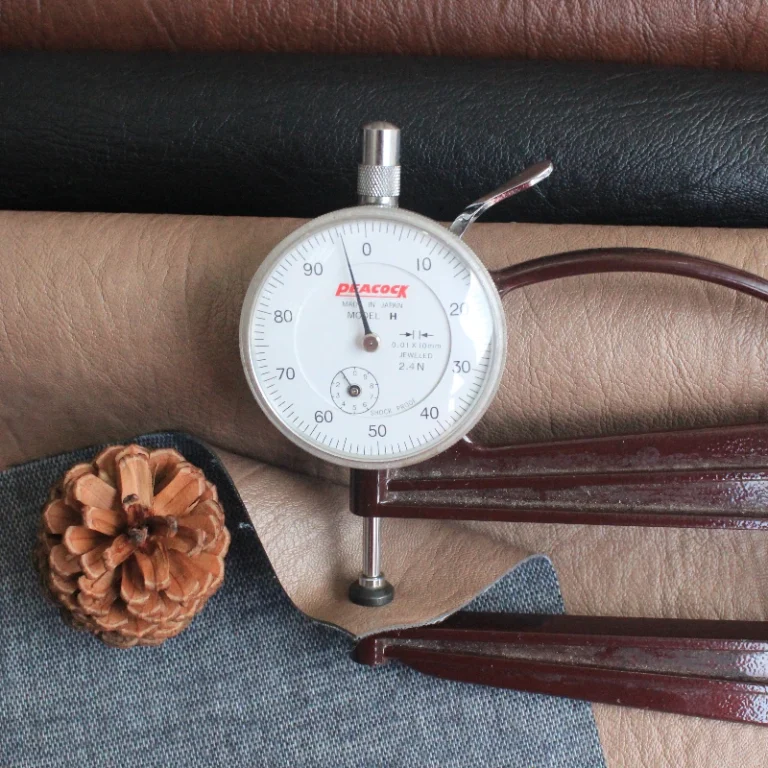
Thickness affects flexibility, body, hand feel and processing behavior, but it should never be evaluated alone.
A thicker PVC leather is not automatically stronger or more durable.
The surface coating, textile backing, coating adhesion and complete construction all influence how the material performs.
Relatively thin constructions can provide greater flexibility and may be easier to wrap around small curves or decorative components.
Medium-thickness materials often provide a practical balance between flexibility and body for general furniture upholstery.
Thicker constructions can create a fuller or more substantial appearance but may become more difficult to fold, sew or wrap around tight corners.
The correct thickness therefore depends on:
- Furniture shape
- Foam construction
- Upholstery method
- Required hand feel
- Backing fabric
- Sewing or stapling process
- Finished-product positioning
Instead of selecting material according to thickness alone, manufacturers should test the complete construction on the actual furniture component.
Pay Attention to the Backing Fabric
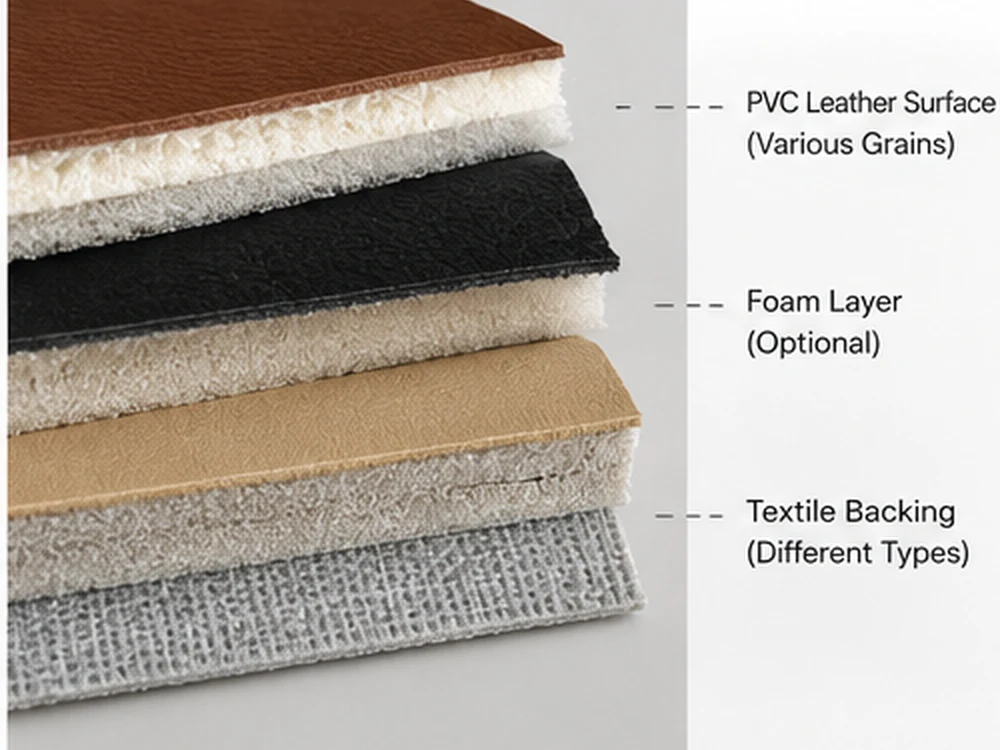
The textile backing underneath PVC leather has a major influence on how the material behaves during cutting and upholstery.
Two materials can use a similar surface grain but perform differently because their backing constructions are different.
Common furniture leather backings can include knitted fabric, woven fabric, terry fabric, brushed fabric, fleece, mesh and other textile structures.
Flexible Backings
Knitted and other flexible backings can help the material conform around cushions and curved furniture surfaces.
They may be suitable for:
- Rounded chairs
- Cushioned benches
- Recliners
- Soft upholstered furniture
- Curved backrests
However, excessive stretch can cause cutting distortion, wrinkles or grain deformation.
Stretch direction and recovery should therefore be checked before bulk production.
Stable Backings
More dimensionally stable fabric constructions can be useful for:
- Large furniture panels
- Structured chairs
- Office seating
- Flat upholstered surfaces
- Decorative panels
Controlled stretch can make panel dimensions easier to maintain during cutting and sewing.
Brushed and Fleece Backings
Brushed or fleece-type constructions can add body and softness to the material.
They may be useful where the manufacturer wants a fuller hand feel or a softer reverse side.
Additional thickness, however, can affect sewing, edge folding and adhesive bonding.
There is no single best furniture leather backing.
The correct option depends on the shape and production method of the finished furniture.
For a detailed comparison of backing constructions, see Common PVC Leather Backing Options.
Select Grain, Color and Surface Finish
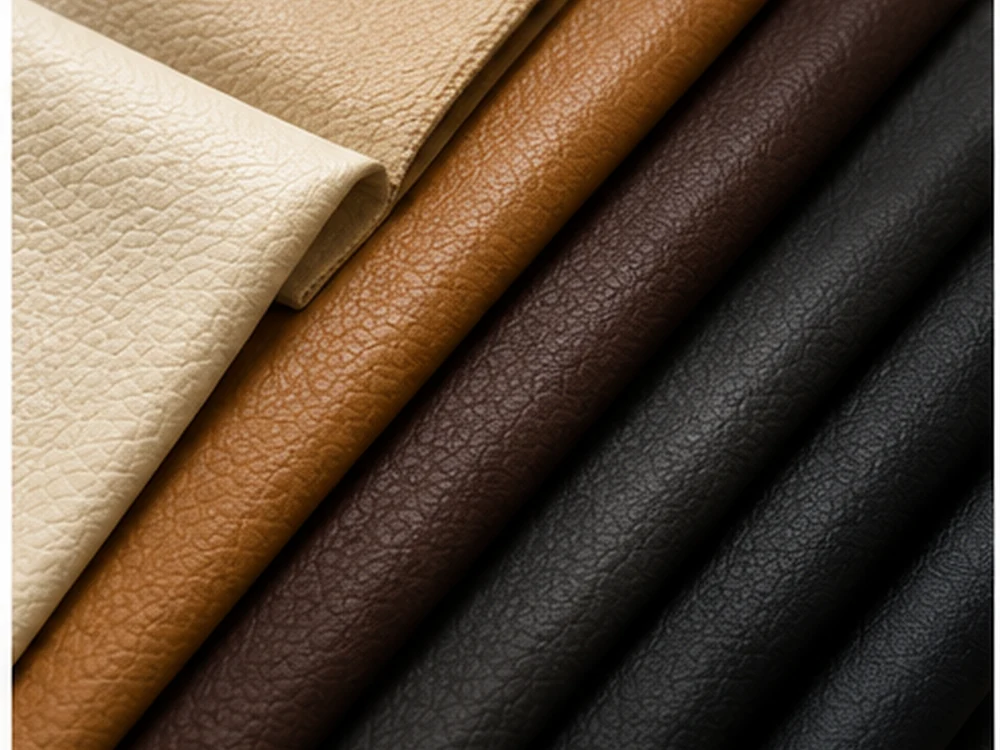
After confirming the basic construction, buyers can select the visual appearance.
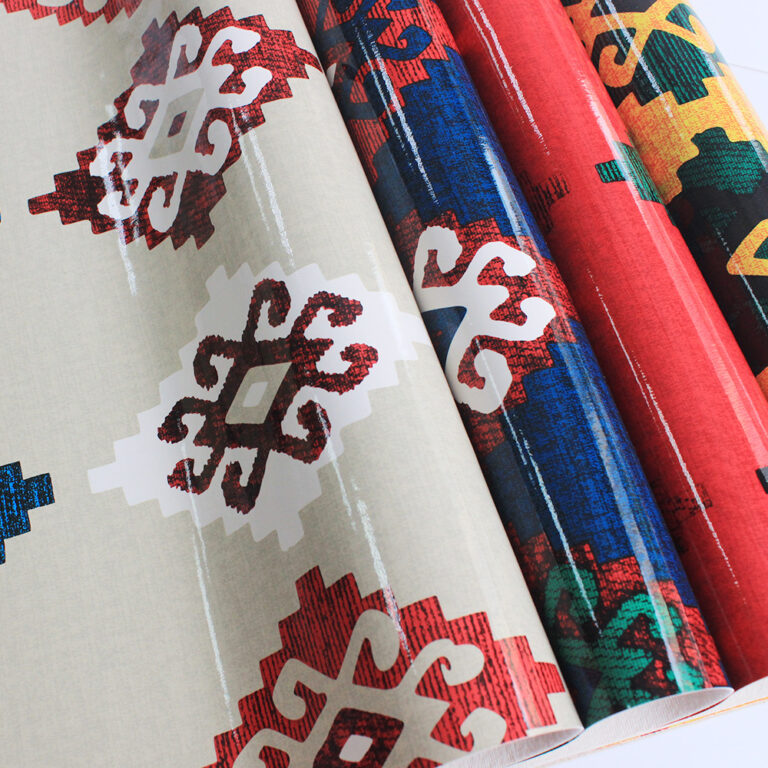
PVC leather can be produced with fine grains, pebble textures, litchi grains, wrinkle patterns, deeper upholstery grains and other embossed surfaces.
Fine Grain
Fine grain can create a clean and modern appearance.
It is commonly considered for contemporary chairs, office furniture and minimalist furniture collections.
Because the texture is relatively subtle, the overall shape and stitching of the furniture remain visually prominent.
Litchi and Pebble Grain
Litchi and pebble-style grains create a more recognizable leather-like texture.
They can work across a wide range of seating and general furniture applications.
A medium grain can also make minor surface marks less visually obvious than an extremely smooth finish.
Natural Wrinkle and Deep Grain
Larger or irregular grains can provide stronger visual character.
These surfaces may work particularly well on larger furniture components, vintage-style furniture or decorative upholstered panels.
The scale of the grain should match the dimensions of the finished product.
A very large pattern can look excessive on a small chair panel, while a very fine grain may appear too subtle on a large decorative surface.
Matte and Gloss Levels
Matte and semi-matte surfaces are commonly used when buyers want a more restrained upholstery appearance.
Glossy finishes can create stronger visual contrast but may also make scratches, folds or surface marks more noticeable.
Surface finish should therefore be approved using a physical sample rather than photographs alone.
Color Selection
Color should be evaluated on the actual grain and finish.
The same color can appear different on smooth, deeply embossed, matte or glossy surfaces.
For custom furniture collections, buyers should confirm color using a physical reference or approved sample because screens and photography can change the apparent shade.
Match Flexibility to the Furniture Shape
Furniture upholstery often requires material to bend, stretch and wrap around foam.
The required flexibility depends strongly on the component shape.
A flat chair back panel does not require the same behavior as a heavily rounded stool or deeply cushioned seat.
If the material is too stiff, installers may encounter:
- Wrinkles around corners
- Difficult folding
- Excessive tension
- Poor conformity around foam
- Difficult stapling or sewing
If the material stretches too easily, other problems can occur:
- Distorted cutting dimensions
- Grain deformation
- Uneven panels
- Excessive stretching during installation
- Loss of shape after upholstery
The goal is not maximum stretch.
The goal is controlled flexibility with adequate recovery and dimensional stability.
Always test the material in the same direction in which it will be cut and installed.
Confirm Durability According to Usage
Furniture leather should not be selected according to appearance alone.
Performance requirements depend on how frequently the finished furniture will be used and where it will be installed.
Abrasion Resistance
Seat surfaces generally experience more friction than decorative side panels.
Office chairs, restaurant seating and frequently used commercial furniture may therefore require greater abrasion resistance than headboards or decorative furniture panels.
There is no single abrasion specification suitable for every furniture project.
The required test level should be defined according to the customer’s standard or expected usage.
Coating Adhesion and Flexing
The PVC coating and backing must remain bonded during processing and use.
Poor adhesion can result in delamination, bubbling or peeling.
Material used on curved surfaces should also be evaluated for flexing behavior.
Cleaning Resistance
Furniture in homes, restaurants, hotels and offices may come into contact with food, drinks, body oils, clothing dye and cleaning products.
Cleaning performance should therefore be evaluated according to the expected environment.
PVC leather can generally be wiped with a soft damp cloth, but strong solvents or aggressive cleaning chemicals should not be used unless they have been specifically tested with the selected material.
Color Fastness
Dark colors can transfer or change appearance under repeated rubbing if the material construction is unsuitable.
Light-colored furniture may also need evaluation for possible dye transfer from dark clothing.
Dry and wet rubbing tests may therefore be relevant depending on the project.
Light and Aging Performance
Furniture positioned near windows can receive significant sunlight.
If light exposure is important, buyers should define the required light-fastness or aging test rather than assuming standard indoor PVC leather provides a particular UV performance.
Outdoor furniture requires a separate evaluation and should not automatically use standard indoor furniture leather.
Consider the Upholstery Production Method
Material selection should also match the way the furniture is manufactured.
PVC leather may be processed through:
- Cutting
- Sewing
- Stapling
- Wrapping
- Folding
- Gluing
- Quilting
- Decorative stitching
- Panel bonding
A material that performs well during sewing may behave differently during adhesive bonding or tight stapling.
Furniture manufacturers should therefore use the actual production equipment when evaluating samples.
Check whether the material:
- Cuts cleanly
- Maintains panel dimensions
- Feeds correctly through sewing equipment
- Holds stitches without tearing
- Staples without edge failure
- Wraps cleanly around corners
- Bonds correctly with the selected adhesive
- Maintains its grain after stretching
For buyers who want a broader explanation of how PVC coating and textile backing work together, see What Is PVC Synthetic Leather?.
Test Samples Before Bulk Production
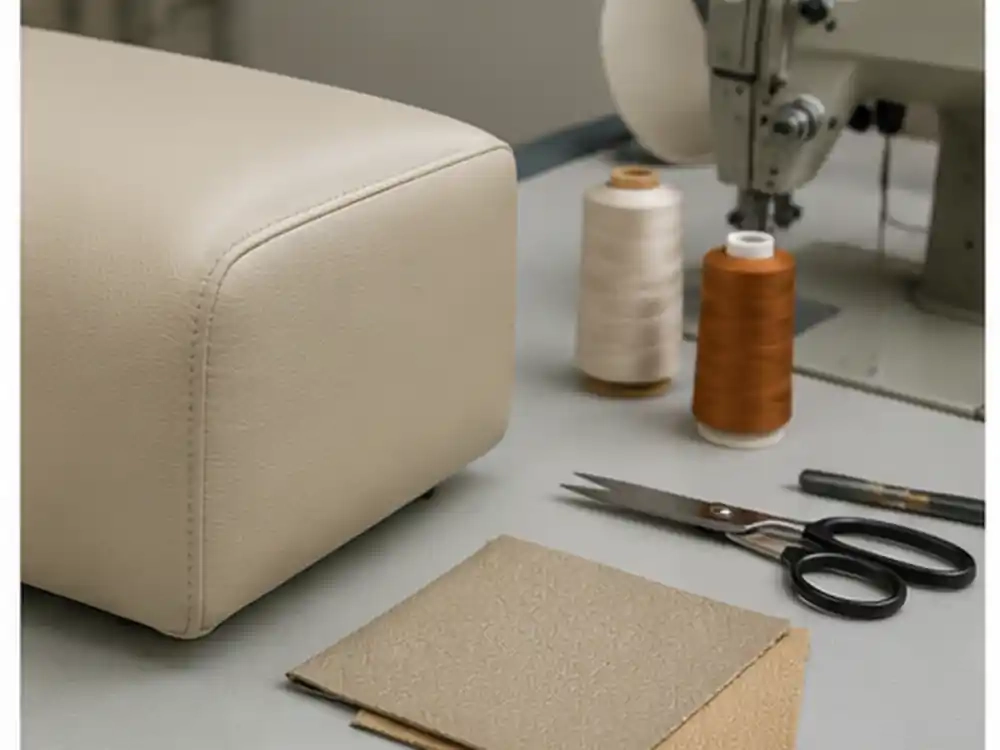
A small swatch can confirm approximate color and grain, but it cannot fully demonstrate upholstery performance.
Whenever possible, request a larger material sample and make a representative furniture component.
For example, manufacturers can upholster a chair cushion, backrest, curved edge or decorative panel using the actual foam, sewing thread, staples and adhesive planned for production.
Evaluate:
| Item | What to Confirm |
|---|---|
| Application | Chair, bench, stool, headboard, panel or commercial furniture |
| Color | Approved physical reference |
| Grain | Pattern and scale |
| Finish | Matte, semi-matte, gloss or other finish |
| Thickness | Required specification and tolerance |
| Backing | Fabric type and construction |
| Flexibility | Suitable for the furniture shape |
| Stretch | Direction, amount and recovery |
| Sewing | Stitch-hole and seam performance |
| Stapling | Edge strength and material stability |
| Wrapping | Corner and curve performance |
| Adhesive | Compatibility where bonding is required |
| Abrasion | Required level for the application |
| Cleaning | Required stain and cleaner resistance |
| Compliance | Customer or destination-market standards |
| Width | Effective production width |
| Quantity | Trial and bulk requirements |
The final purchase specification should identify more than simply “PVC leather for furniture.”
It should include the product reference, color, grain, finish, thickness, backing, width and any required performance standards.
This reduces the risk of receiving a material that looks similar but behaves differently during production.
Recommended products
Choosing PVC Leather for Your Furniture Project
The right PVC leather for furniture depends on the finished product rather than one individual specification.
Furniture application, thickness, backing, surface grain, flexibility and required durability should be evaluated as one complete material construction.
A practical selection process is:
Define the furniture application → choose the material construction → confirm grain and color → evaluate backing and flexibility → test the production process → approve the physical sample → confirm the final specification.
This process is suitable for manufacturers producing dining chairs, office chairs, benches, stools, headboards, decorative panels and other upholstered furniture.
Xiangze Leather supplies Furniture Leather with different PVC surface grains, thicknesses and textile backing constructions.
For a wider range of upholstered furniture materials, buyers can also explore our Sofa & Upholstery Leather collection.
Tell us your furniture application, preferred grain and color, required thickness, backing, performance requirements and estimated quantity. We can recommend suitable material options and provide samples for evaluation before bulk production.

About Xiangze Leather
Written by Xiangze Leather Editorial Team
Xiangze Leather supplies PVC synthetic leather for furniture upholstery, bags, footwear, automotive interiors, motorcycle seats and decorative applications. Material samples, specification options and quotation support are available according to project requirements.