Silicone Leather vs PVC Leather: What Are the Differences?

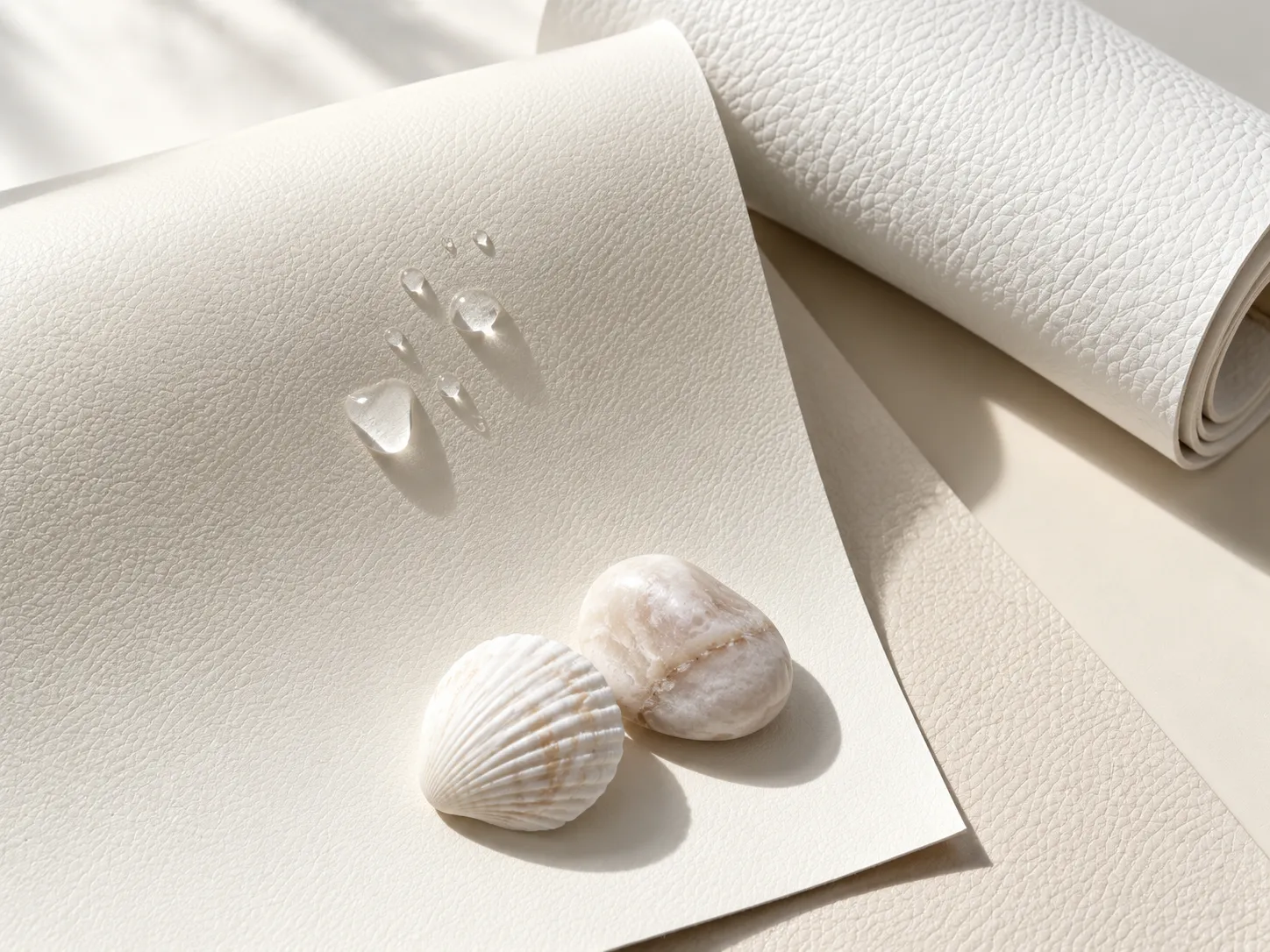
Silicone leather and PVC leather are both synthetic surface materials used in furniture, automotive interiors, bags and other products.
They can provide a leather-like appearance, but their coating systems, cost structure and typical applications are different.
For manufacturers, the right choice depends on the finished product, required performance, target price and project standards.
Material Structure
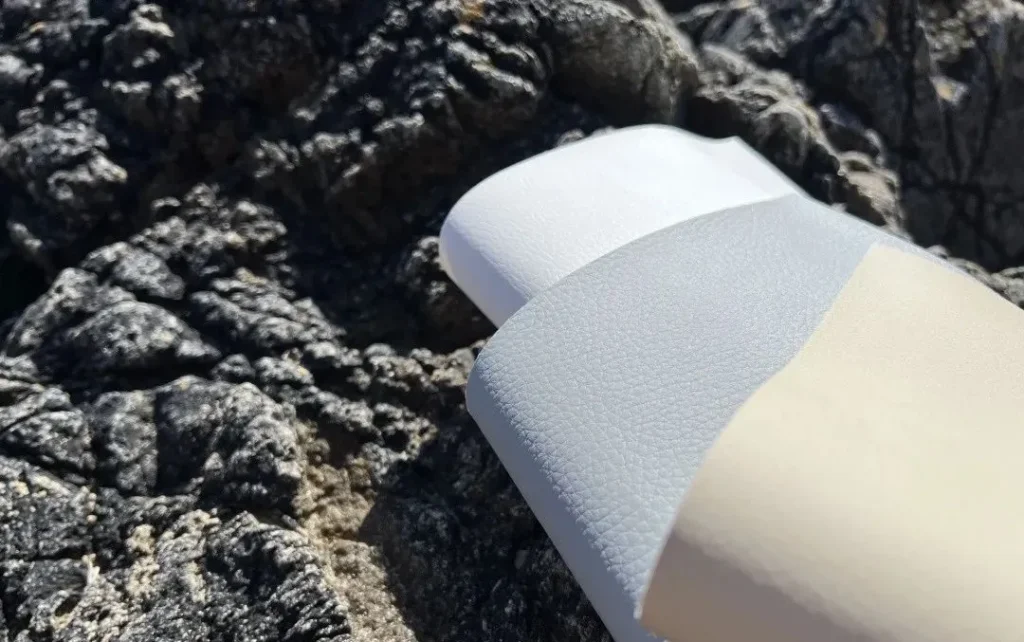
Silicone leather generally uses a silicone-based surface layer combined with a textile substrate.
PVC leather uses a PVC-based coating system combined with a textile backing.
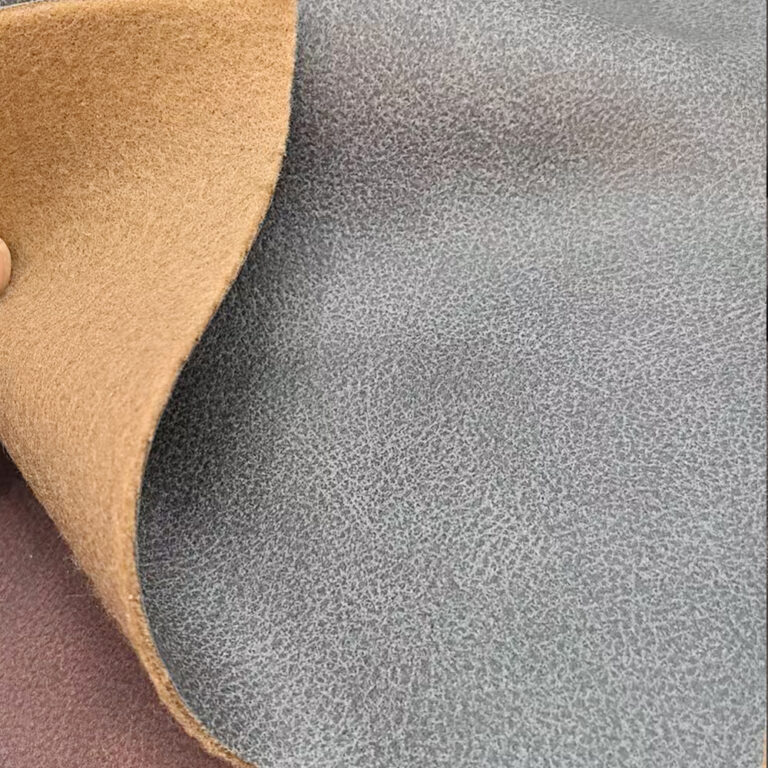
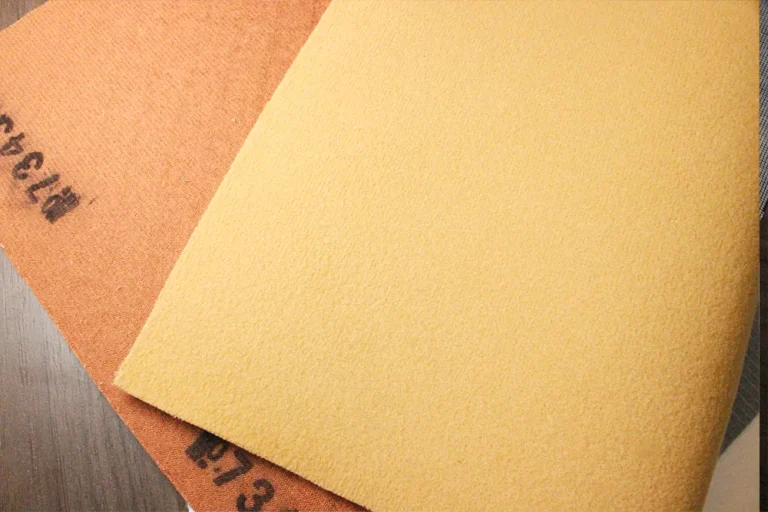
Depending on the application, PVC leather can use knitted fabric, woven fabric, terry fabric, brushed fabric, mesh and other backing constructions.
These different structures influence flexibility, thickness, hand feel and processing behavior.
You can view different constructions in our PVC Synthetic Leather Materials collection.
Surface Performance and Cleaning
Both silicone and PVC leather can provide water-resistant coated surfaces and easy-clean characteristics.
Silicone leather is often selected for projects that place greater emphasis on stain resistance, weatherability and specific chemical requirements.
PVC leather also offers good surface protection for many furniture, bag and automotive applications.
Its surface can be produced with different:
Grains · Colors · Gloss levels · Prints · Embossed patterns · Perforations
Actual cleaning and durability performance should be confirmed according to the specific material specification rather than the material name alone.
Durability and Environmental Requirements
Silicone leather is often developed for applications requiring strong weather resistance and low-emission material systems.
However, claims such as “zero VOC,” “non-toxic” or “no harmful emissions” should only be made when supported by specific product testing.
PVC leather performance also depends heavily on formulation and production quality.
For different projects, buyers may evaluate:
Abrasion resistance · UV resistance · Flex resistance · Tear strength · Color fastness · Odor · VOC
Xiangze Leather can conduct in-house Martindale abrasion and tear-resistance evaluation for relevant PVC leather projects.
For automotive use, see our Automotive & Motorcycle Leather materials.
Cost and Manufacturing Flexibility
One of the major differences between silicone and PVC leather is cost.
Silicone leather is generally positioned in a higher material-cost range.
PVC leather offers wider cost flexibility and is suitable for large-volume manufacturing where consistent specifications and material utilization are important.
PVC leather can also be customized in:
- Thickness
- Grain
- Color
- Backing
- Surface finish
- Printing
- Perforation
This makes it suitable for many commercial products where manufacturers need repeatable appearance and predictable production costs.
Where Are Silicone and PVC Leather Used?
Silicone leather is commonly considered for higher-specification furniture, automotive interiors, medical-related surfaces and other applications where particular surface or chemical-performance requirements are important.
PVC leather is widely used for:
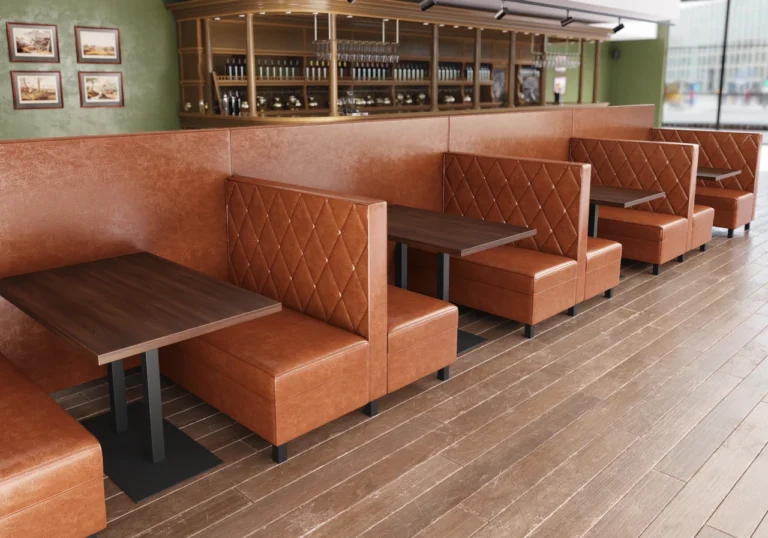
- Furniture upholstery
- Automotive interiors
- Motorcycle seats
- Bags and luggage
- Shoe uppers
- Packaging
- Decorative products
For furniture applications, explore our Sofa & Upholstery Leather collection.
For bags and luggage, see our Bag & Luggage Leather materials.
The better material is not determined only by price or material category. Buyers should compare the required performance, processing method and target application before making a decision.
Xiangze Leather supplies PVC synthetic leather in different grains, colors, thicknesses and backing constructions for industrial applications.
Explore PVC Synthetic Leather Materials or contact Xiangze Leather with your project requirements.