Leather Types Explained: Genuine Leather, PVC, PU and Bonded Leather

Leather-like materials are used in bags, furniture, footwear, automotive interiors and many other products.
Although they may look similar, the materials can have very different structures.
The main categories include genuine leather, PVC synthetic leather, PU synthetic leather and bonded or reconstituted leather.
Understanding these differences helps manufacturers select the right material for each application.
What Is Genuine Leather?
Genuine leather is made from animal hide after tanning and finishing.
Its internal structure consists mainly of natural collagen fibers, which gives the material its natural grain, flexibility and characteristic surface variation.
Natural leather can be divided into different layers.
Top-grain leather retains the original grain layer and usually has a denser fiber structure near the surface.
Split leather comes from the lower part of the hide after splitting and may receive additional coating or embossing to create the finished surface.
Because natural hides vary in shape, grain and usable area, cutting requires more inspection and planning than roll-format synthetic leather.
What Are PVC and PU Leather?
PVC and PU leather are both synthetic leather materials, but they use different coating systems.
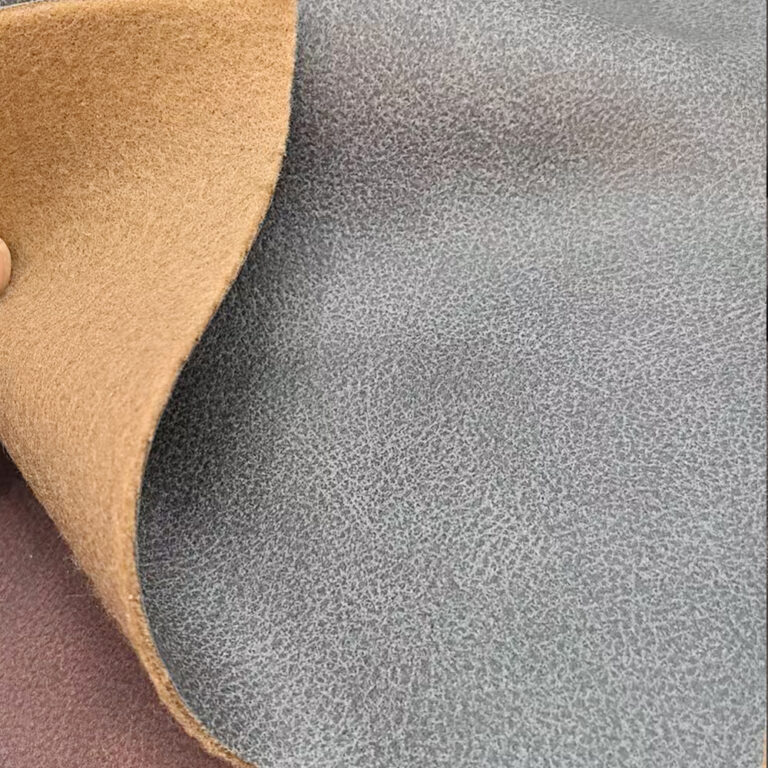
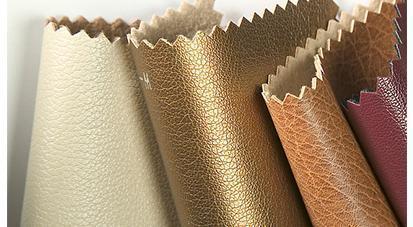
PVC synthetic leather normally combines a PVC-based surface with a textile backing.
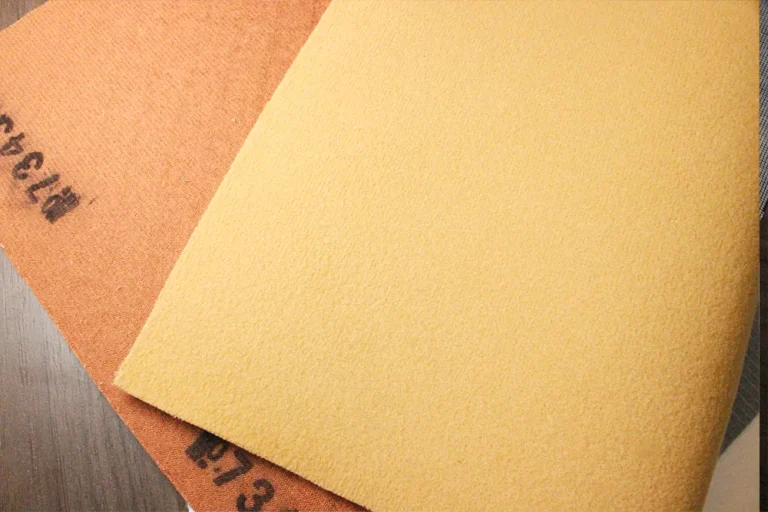
The backing may be knitted fabric, woven fabric, terry fabric, brushed fabric, mesh or other textile constructions.
PU leather uses polyurethane-based materials in the surface or coating system and may also use different textile substrates.
Both materials can be produced with different:
Colors · Grains · Thicknesses · Backings · Surface finishes
This makes synthetic leather suitable for industrial applications where manufacturers need repeatable appearance and roll-format supply.
For more information about textile substrates, see our PVC Leather Backing Options.
Advantages of Synthetic Leather for Manufacturing
One of the main advantages of synthetic leather is consistency.
Natural hides have irregular shapes and may contain scars, wrinkles or other natural marks.
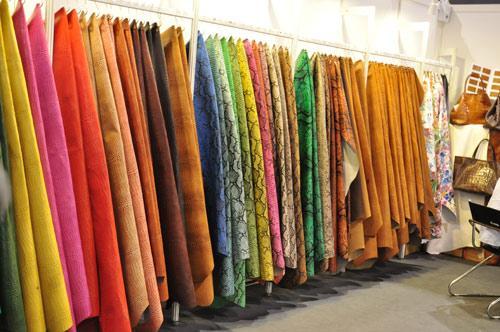
Synthetic leather is normally supplied in continuous rolls with a regular usable width.
This makes it easier to:
- calculate material consumption
- arrange cutting patterns
- repeat production
- control color and grain
- develop custom surfaces
PVC leather can also be embossed, printed, perforated or finished with matte, glossy and decorative effects.
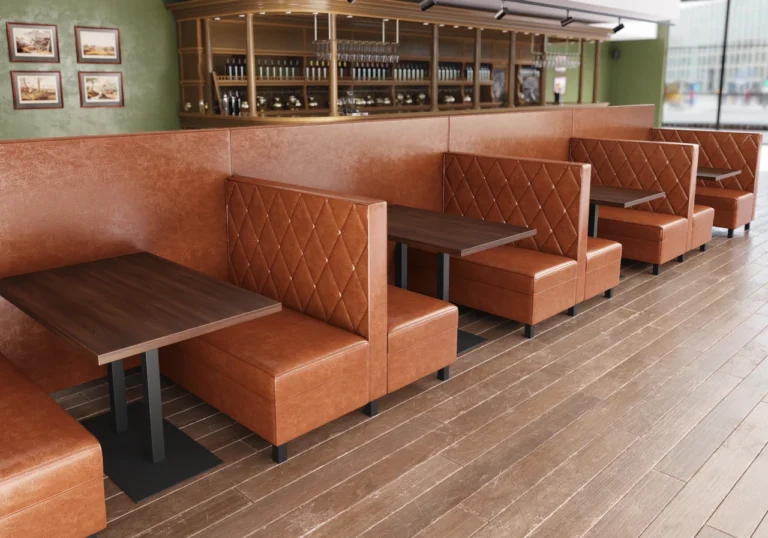
These characteristics make it widely used for automotive interiors, bags and luggage, furniture upholstery and footwear.
What Is Bonded or Reconstituted Leather?
Bonded leather is different from both natural leather and conventional synthetic leather.
Leather scraps or fibers can be processed, mixed with binders and formed into sheet material.
Because it contains leather fibers, it may still have some characteristics associated with leather, but its structure is not the same as an intact animal hide.
It should also not be confused with PVC or PU synthetic leather, which are manufactured using polymer coating systems and textile substrates.
For B2B purchasing, the most useful approach is to confirm the actual material construction instead of relying only on broad names such as “real leather,” “synthetic leather” or “bonded leather.”
How to Tell Different Leather Materials Apart
Appearance can provide some clues, but modern synthetic leather can reproduce natural-looking grain very effectively.
A better way is to check several features together.
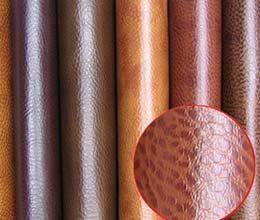
Surface: genuine leather often has more natural variation, while embossed synthetic leather usually has more repeatable grain.
Backside: PVC and PU leather normally show a textile backing, while genuine leather has a natural fibrous backside.
Cross section: synthetic leather usually shows a coating layer combined with a textile substrate, while genuine leather has a continuous fiber structure.
For professional sourcing, physical samples and material specifications are more reliable than informal methods such as burning.
Xiangze Leather supplies PVC synthetic leather in different grains, colors, thicknesses and backing constructions for automotive, furniture, bags, footwear, packaging and decorative applications.
Explore our PVC Synthetic Leather Materials to compare available constructions.