Types of Synthetic Leather: PVC, PU, Solvent-Free PU and Waterborne PU

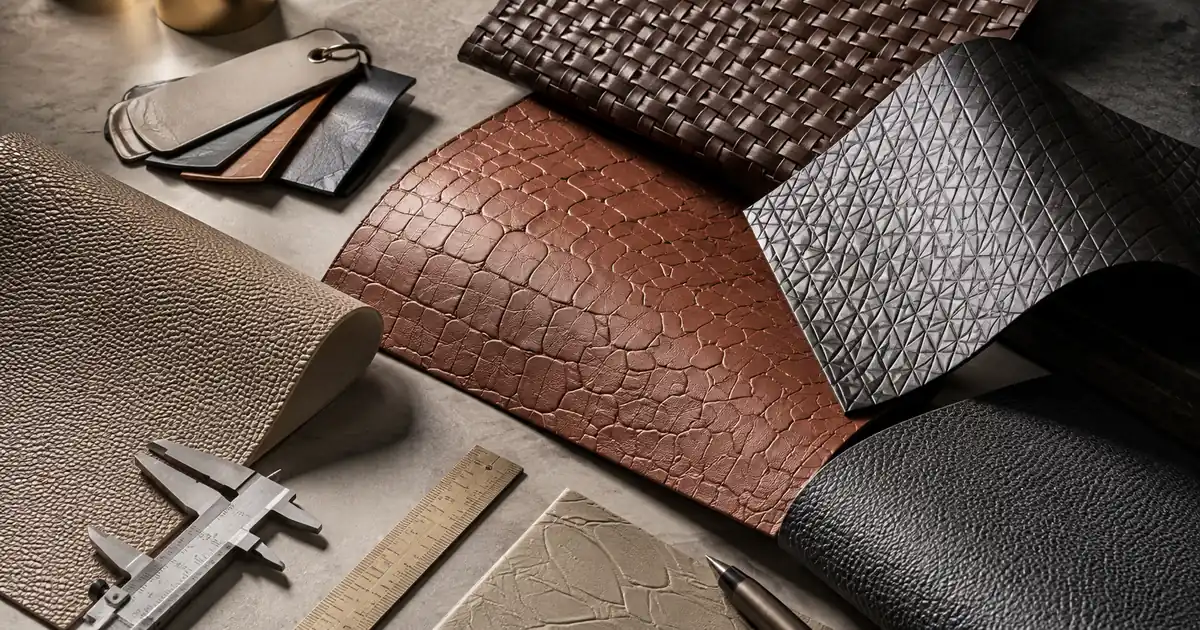
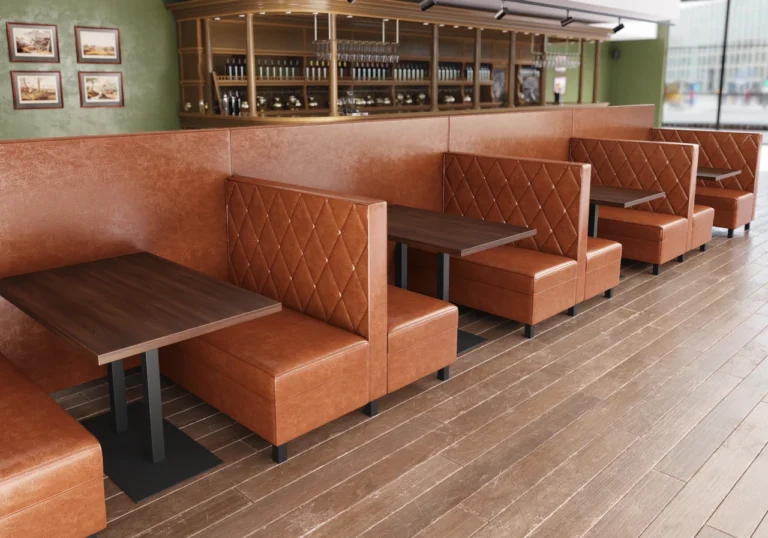
Synthetic leather is used in furniture, bags, footwear, automotive interiors, garments and decorative products.
Although these materials are often grouped together as “artificial leather,” their coating systems, production methods and performance can be very different.
The most common types include PVC leather, PU leather, microfiber leather, solvent-free PU and waterborne PU.
Understanding these differences helps manufacturers select the right material for each application.
What Is Synthetic Leather?
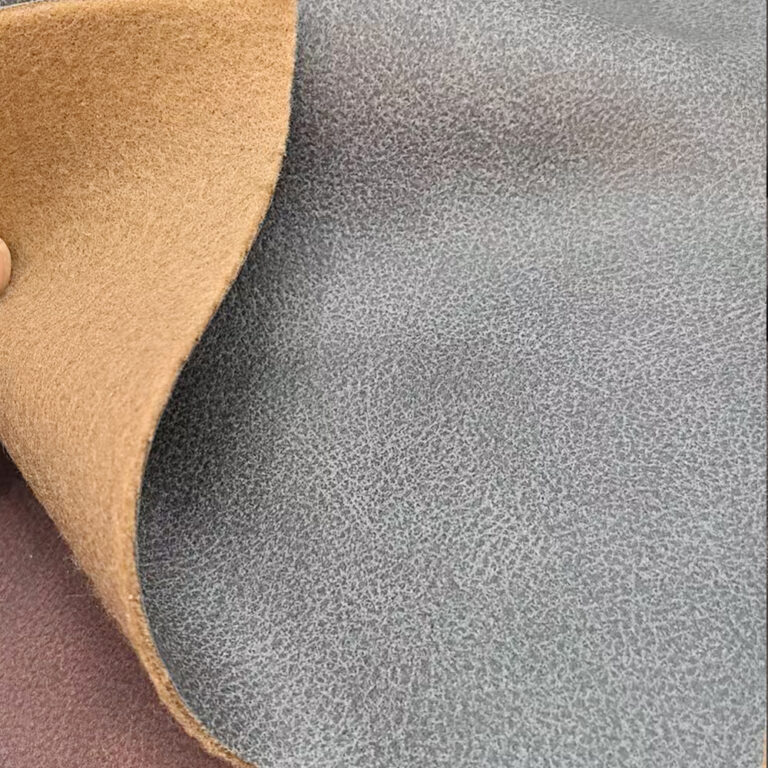
Synthetic leather is generally made by applying or combining a polymer-based surface layer with a textile substrate.
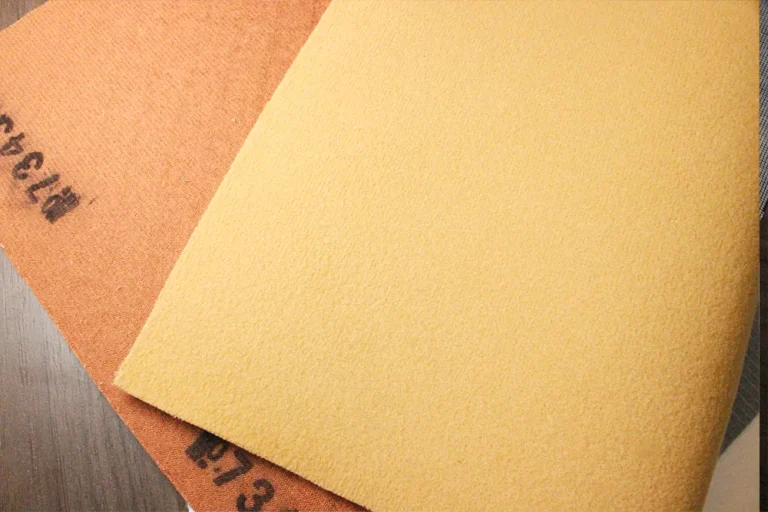
The substrate may be knitted fabric, woven fabric, nonwoven fabric, terry fabric, brushed fabric or another textile construction.
The surface layer determines much of the grain, color and finish, while the backing influences flexibility, strength, stretch and processing behavior.
The three most familiar material systems are:
- PVC leather – mainly based on polyvinyl chloride coating systems
- PU leather – mainly based on polyurethane coating systems
- Microfiber leather – usually combines a microfiber nonwoven structure with polyurethane systems
Different constructions are suitable for different products, so the material name alone does not determine quality.
For more information about PVC constructions, see our PVC Synthetic Leather Materials.
PU Leather: Dry Process and Wet Process
PU leather can be produced using different manufacturing processes.
Dry-Process PU
In a typical dry process, PU resin is coated onto release paper with the required surface grain.
After drying, the coating is laminated to a textile backing such as knitted or nonwoven fabric.
The release paper transfers its grain to the finished surface.
Dry-process PU is widely used for footwear, bags, furniture, garments and other consumer products.
Wet-Process PU
Wet-process PU uses a different method.
PU resin is applied to a textile substrate and then passed through a coagulation process to create a porous base layer.
The material can then receive additional surface coating, embossing, printing or finishing.
This porous structure can provide a different hand feel and material body from conventional dry-process constructions.
PVC Leather and Its Applications
PVC leather uses a PVC-based coating system combined with a textile backing.
One of its main advantages for industrial production is the wide range of possible constructions.
Manufacturers can adjust:
Thickness · Backing · Grain · Color · Gloss · Printing · Embossing · Perforation
PVC leather is widely used for:
- Furniture upholstery
- Automotive interiors
- Motorcycle seats
- Bags and luggage
- Shoe uppers
- Packaging
- Decorative products
It is also normally supplied in continuous rolls, making cutting and material calculation easier for volume manufacturing.
Different textile backings can be selected according to the application. Learn more in our PVC Leather Backing Options guide.
Xiangze supplies PVC materials for automotive interiors, bags and luggage, furniture upholstery and footwear.
Solvent-Free PU and Waterborne PU
Newer polyurethane systems have also been developed to reduce the use of conventional organic solvents during manufacturing.
Solvent-Free PU
Solvent-free PU uses polyurethane systems designed to form the coating without the conventional solvent-based process.
Depending on the formulation and production method, the coating structure, thickness and foam characteristics can be adjusted for different applications.
Solvent-free PU is used in areas such as furniture, automotive interiors, bags and other products where buyers may have additional requirements for chemical emissions or production processes.
Waterborne PU
Waterborne PU uses polyurethane dispersed in water rather than relying primarily on conventional organic solvent systems.
It can reduce the use of certain organic solvents during coating production.
However, terms such as waterborne, solvent-free or eco-friendly should not automatically be treated as proof of product performance or compliance.
Buyers should still confirm the required VOC, odor, restricted-substance or other testing standards for the finished material.
How to Choose the Right Synthetic Leather
There is no single synthetic leather material that is best for every product.
The correct choice depends on the finished application.
For example, furniture upholstery may focus on abrasion resistance and cleaning, while bag leather may require good folding and cutting behavior. Shoe upper materials need suitable flexibility for stitching and lasting, and automotive materials may require additional aging, color-fastness and other performance evaluations.
For B2B sourcing, start with:
Application → surface → thickness → backing → flexibility → performance requirements → target cost
Physical samples are especially useful because two synthetic leathers with a similar appearance can behave very differently during cutting, sewing, bonding or upholstery production.
Xiangze Leather supplies PVC synthetic leather in different grains, thicknesses, colors and backing constructions for industrial applications.
Browse our PVC Synthetic Leather Materials or contact Xiangze Leather with your material requirements.