PVC vs PU Leather for Outdoor Seats: Which Lasts Longer?

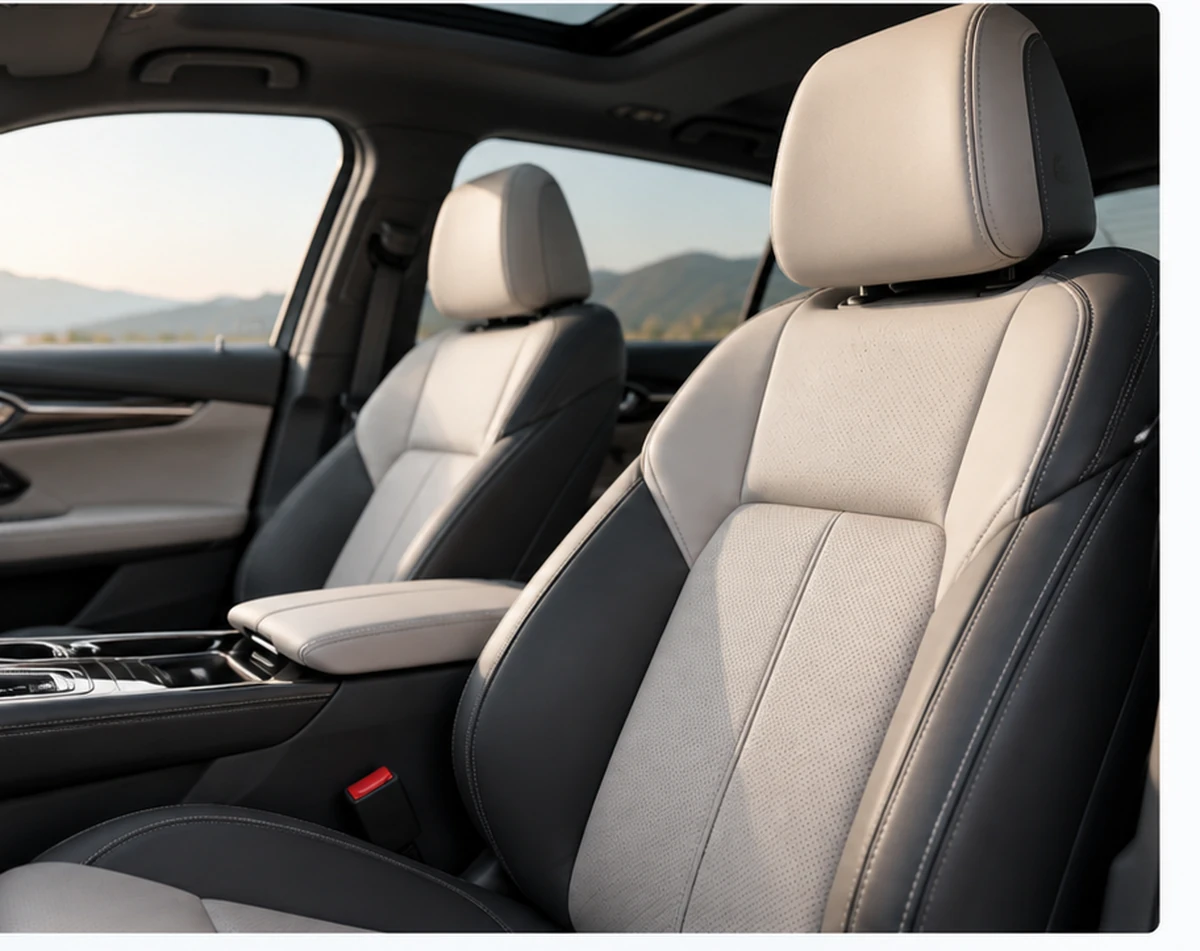
Outdoor seats face much harsher conditions than indoor furniture.
Golf carts, sightseeing vehicles, utility vehicles and other outdoor seating are exposed to sunlight, rain, temperature changes and repeated cleaning. In these conditions, material selection should not be based only on whether the leather is PVC or PU.
The key is whether the material has been developed and tested for outdoor use.
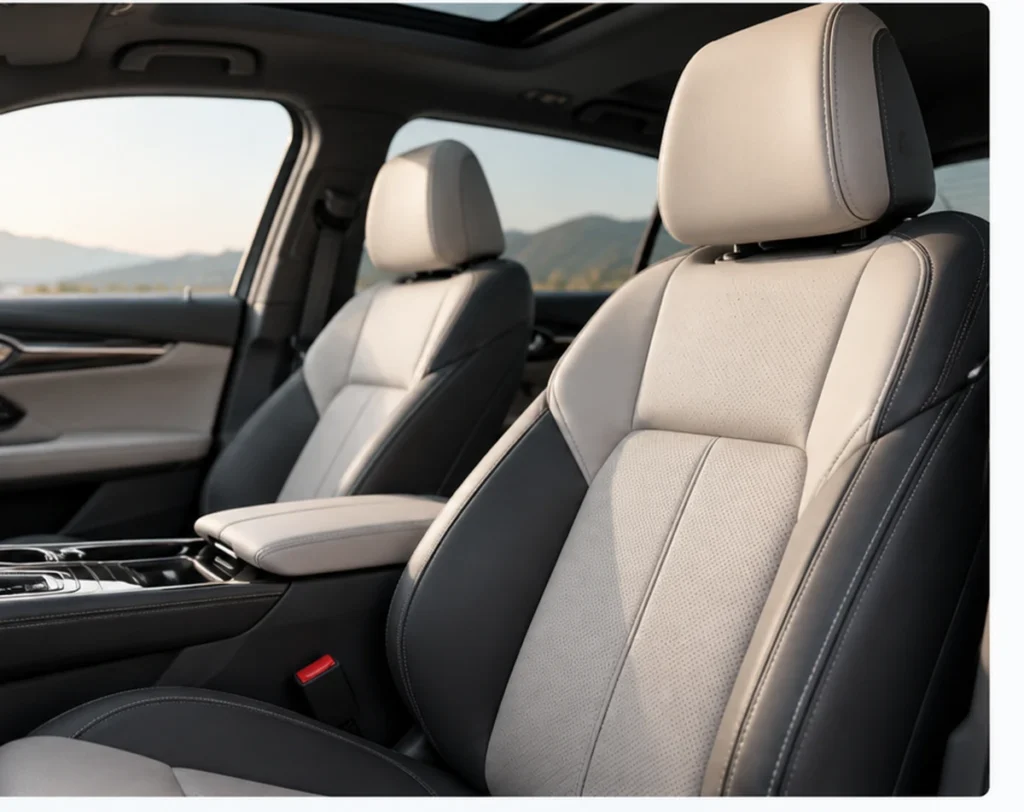
What Damages Outdoor Seat Leather?
Outdoor seat leather is affected by several factors at the same time:
- UV exposure
- Rain and moisture
- Heat and cold cycles
- Repeated cleaning
- Daily flexing during use
A material may show good abrasion resistance in the lab but still age quickly under long-term outdoor exposure. This is why outdoor seat leather should be evaluated by weather resistance and aging performance, not by material name alone.
Xiangze Leather supplies automotive synthetic leather for different seat and interior applications.
PVC or PU: The Material Name Alone Is Not Enough
Many buyers assume PU is always better than PVC for outdoor seats, or that PVC is always less durable outdoors. In practice, this is not the right way to compare materials.
PU and PVC use different polymer systems, and both need suitable outdoor-oriented formulations if they are expected to perform well under UV exposure, rain and heat.
Ordinary PU may age quickly if it is not optimized for outdoor weathering. Standard PVC can also become harder over time if the formulation is not suitable for prolonged outdoor use.
For long-term outdoor seating, the real question is not simply PVC vs PU. The more important question is:
Has the material been developed for outdoor weather resistance, cleaning resistance and long-term seat use?
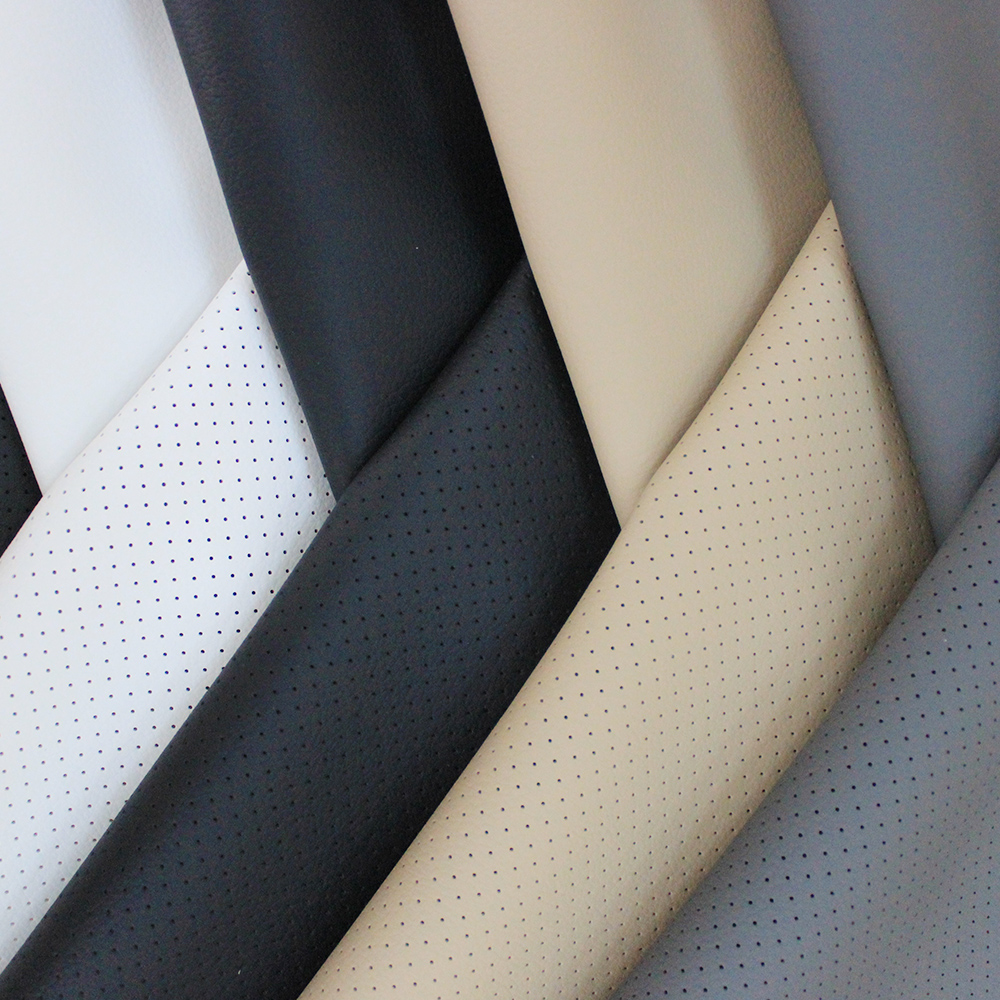
What Test Data Should You Ask For?
For outdoor seat leather, abrasion alone is not enough.
Buyers should ask for test data related to:
- UV aging
- Heat aging
- Cold flexing
- Color fastness
- Cleaning resistance
- Tear strength
- Abrasion resistance
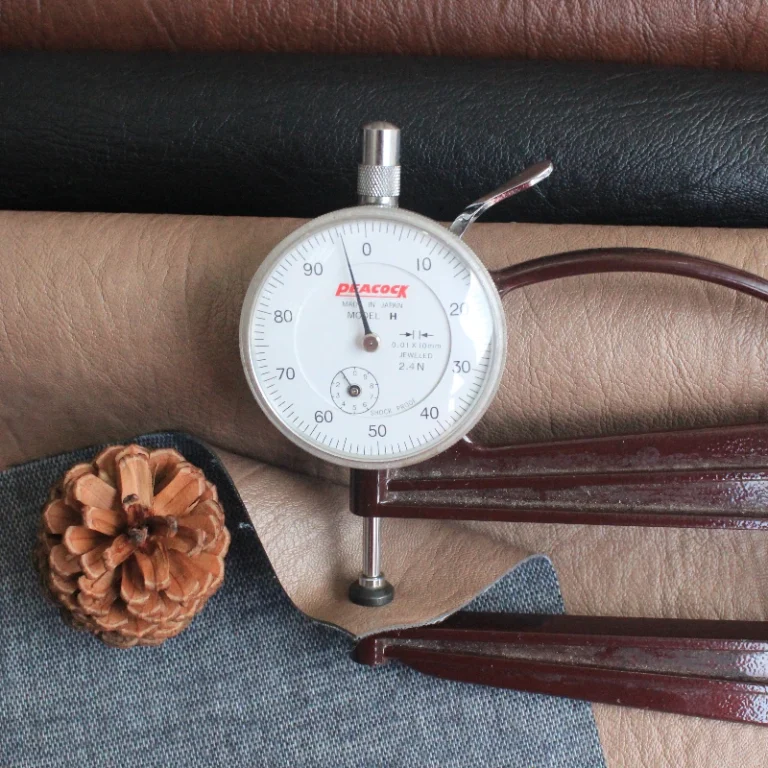
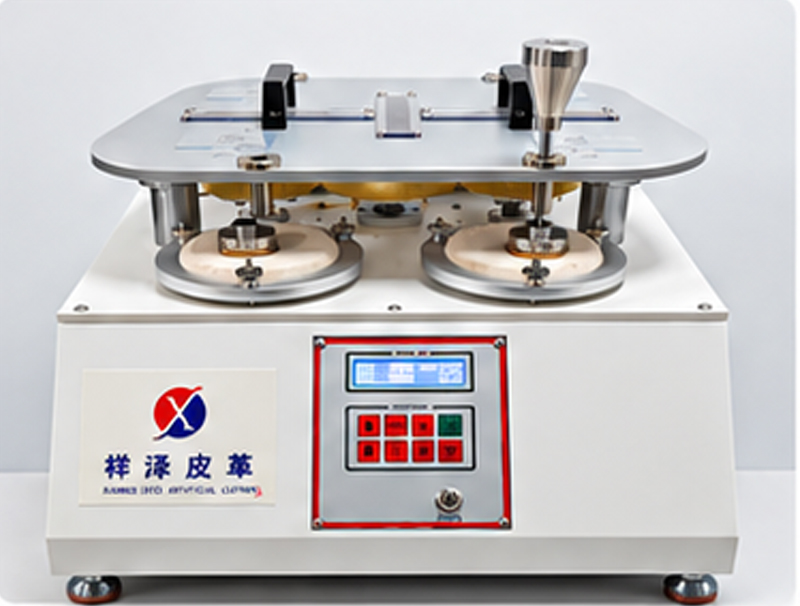
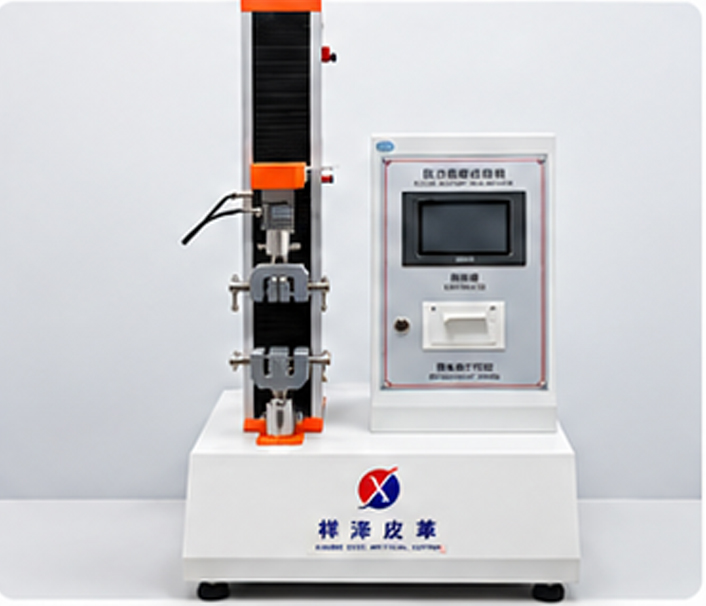
Xiangze Leather can support relevant in-house material evaluation, including Martindale abrasion testing and tear-resistance testing. For certain projects, outdoor functional leather can also be developed with higher durability targets.
For example, modified outdoor leather constructions can achieve:
- Taber abrasion up to 50,000 cycles without damage
- 18-month outdoor exposure tracking with only slight color difference
- no cracking and no obvious exudation in relevant outdoor test conditions
For automotive-related projects, materials can also be developed according to relevant customer requirements for environmental and supply-chain compliance, including EU environmental standards and TS16949-related project requirements, depending on the project specification.
For basic seat construction guidance, see our Car Seat Leather Thickness and Backing Guide.
Backing, Construction and Cleaning Resistance Matter Too
Outdoor durability is not determined by the surface alone.
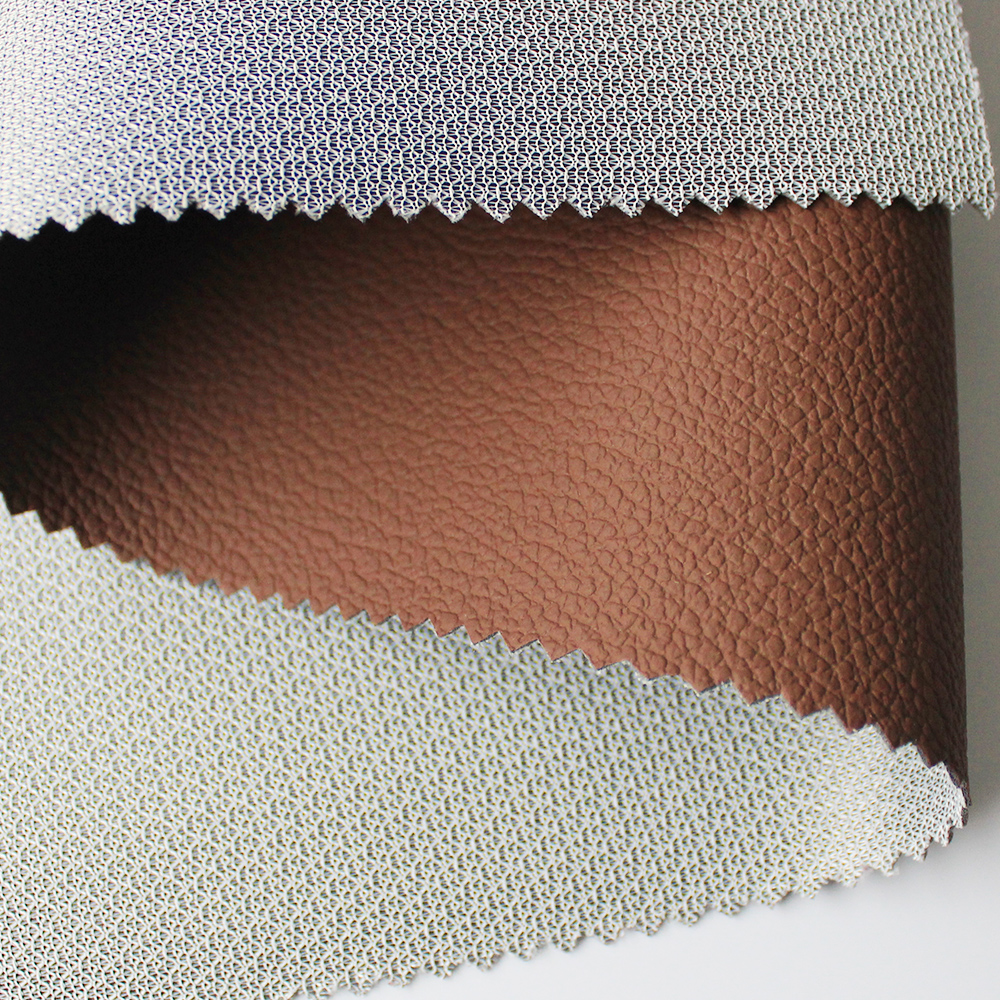
The textile backing and overall construction influence stretch, dimensional stability, sewing behavior and how the leather performs once installed on seat foam.
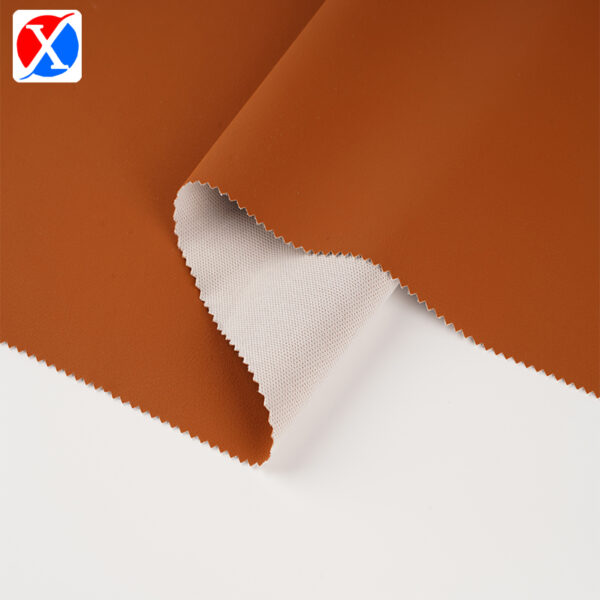
Automotive PVC leather can be made with different backing options such as:
- Terry backing
- Knitted backing
- Mesh backing
- Brushed backing
In outdoor seating, cleaning resistance is also very important. Golf carts, sightseeing vehicles and utility vehicles may require frequent wiping with alcohol-based cleaners, disinfectants or other maintenance products.
For this reason, Xiangze can also develop outdoor leather constructions designed to balance:
weather resistance, abrasion performance, solvent wiping resistance, hand feel and cost
You can learn more from our PVC Leather Backing Options and How to Choose Automotive Leather for Car Seats.
Which Leather Should You Choose for Outdoor Seats?
There is no absolute answer that PVC is always better or PU is always better.
The correct choice depends on the actual use environment.
A practical way to choose is:
- Low budget + short-term use + limited sun exposure
standard PVC may be a practical option - Indoor or semi-covered use + softer hand feel
general PU may be suitable - Long-term outdoor exposure + sun + rain + frequent cleaning
weather-resistant functional leather is the better choice
For golf carts, sightseeing vehicles, engineering vehicles and other outdoor seat projects, Xiangze Leather can develop outdoor functional leather according to the parking environment, cleaning method and performance target.
In relevant outdoor applications, properly developed weather-resistant leather can often provide a service life of more than 3 years, helping reduce seat refurbishment frequency and long-term maintenance cost.
Browse our Car Seat Leather range or visit Synthetic Leather for Automotive Interiors to compare different material options.