How to Choose Outdoor Seat Leather for Golf Carts and Sightseeing Vehicles

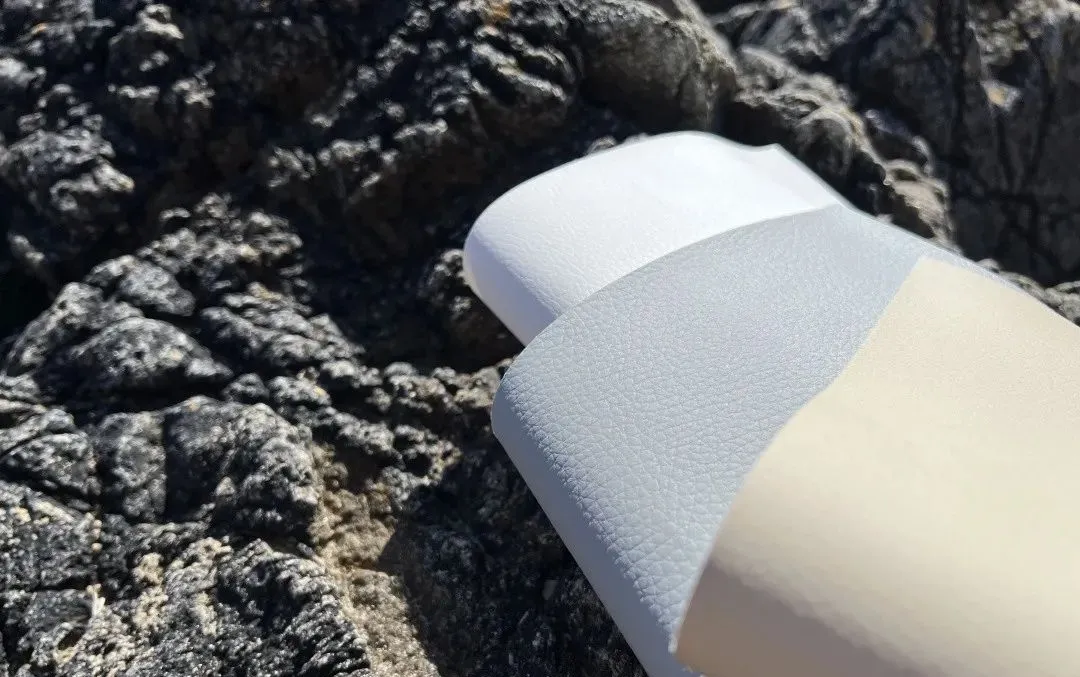
Outdoor seats for golf carts, sightseeing vehicles and utility vehicles face much harsher conditions than ordinary indoor upholstery.
Continuous sunlight, rain, temperature changes and frequent cleaning can accelerate fading, hardening and surface cracking.
For this reason, outdoor seat leather should be selected according to weather resistance and actual test requirements, not only by whether the material is PVC or PU.
Outdoor Seats Need More Than Abrasion Resistance
Abrasion is important, but it is only one part of outdoor durability.
Outdoor vehicle seats may need to withstand:
- UV exposure
- Rain and moisture
- Heat and cold cycles
- Frequent cleaning
- Repeated passenger use
A material can perform well in an abrasion test but still age quickly under long-term sunlight.
For golf carts and sightseeing vehicles, buyers should therefore evaluate both mechanical performance and weather resistance.
Xiangze supplies automotive synthetic leather for different vehicle seating and interior applications.
PVC or PU: Look at the Actual Specification
PVC and PU use different coating systems, but the material name alone does not determine outdoor service life.
Standard PVC, outdoor-grade PVC and modified PVC can behave very differently.
The same is true for PU.
For long-term outdoor seating, the important question is whether the material has been developed for:
UV resistance · temperature aging · cleaning resistance · flexing · abrasion
A properly developed outdoor PVC construction can therefore be more suitable than a general-purpose PU material in some projects.
For a direct comparison, see our guide to PVC vs PU Leather for Outdoor Seats.
Ask for Real Test Data
For outdoor vehicle projects, buyers should ask the supplier for measurable performance data.
Depending on the specification, Xiangze outdoor leather constructions can be developed around targets such as:
- Taber abrasion up to 50,000 cycles
- 18-month outdoor exposure evaluation
- no obvious cracking or exudation under relevant test conditions
- outdoor service life exceeding 3 years for suitable applications
Projects can also be developed according to relevant EU environmental requirements and TS16949-related automotive supply-chain requirements, depending on the customer specification.
Xiangze can also conduct in-house Martindale abrasion testing and tear-resistance testing for relevant material evaluation.
Backing and Seat Construction Matter
The coating is only one part of the finished seat material.
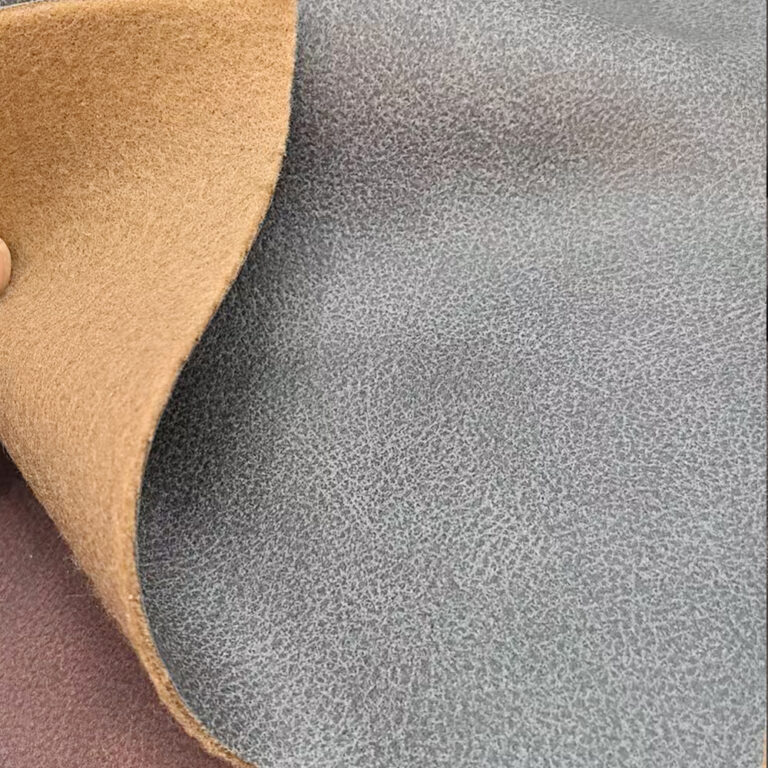
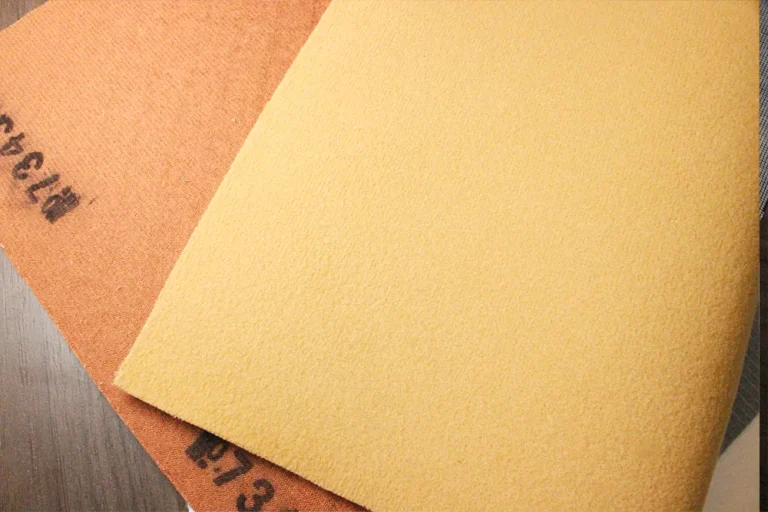
The textile backing influences stretch, sewing, dimensional stability and how the leather wraps around seat foam.
Common automotive constructions include:
- Terry backing
- Knitted backing
- Brushed backing
- Mesh backing
A material that stretches too much may distort during installation, while a construction that is too stiff can be difficult to wrap around curved seat sections.
See our PVC Leather Backing Options and Car Seat Leather collection for different constructions.
How to Specify Outdoor Seat Leather
For golf carts, sightseeing vehicles and utility vehicles, the purchasing specification should begin with the actual operating environment.
A practical specification includes:
Vehicle type → outdoor exposure → grain → color → thickness → backing → cleaning method → performance target
For vehicles parked outdoors for long periods, buyers should pay particular attention to UV aging, temperature resistance and cleaning compatibility.
Xiangze Leather supplies PVC synthetic leather for car seats, outdoor vehicle seats and related automotive upholstery applications.
Explore our Synthetic Leather for Automotive Interiors page or contact us with your required seat structure and performance specification.