Why Does Synthetic Leather Crack, Peel or Fade?

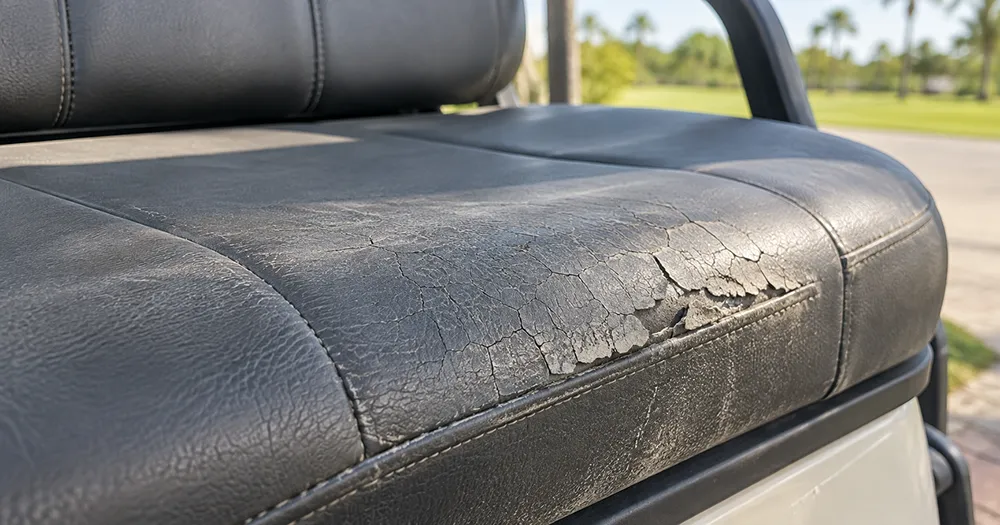
Synthetic leather can look excellent when new but still develop cracking, peeling, fading or hardening after months of use.
In many cases, the problem is not simply whether the material is PVC or PU.
The real cause is often a mismatch between the material construction and the actual application environment.
For buyers, choosing synthetic leather by appearance, thickness and hand feel alone is not enough.
The Material Does Not Match the Application
Furniture upholstery, bags, automotive seats and outdoor vehicle seats do not operate under the same conditions.
Indoor upholstery may mainly require abrasion resistance and comfortable hand feel.
Outdoor and automotive applications may also face:
- UV exposure
- Heat and cold cycles
- Moisture
- Repeated flexing
- Frequent cleaning
- Long-term surface wear
Using a general-purpose material in a demanding outdoor environment can therefore lead to premature fading, hardening or cracking.
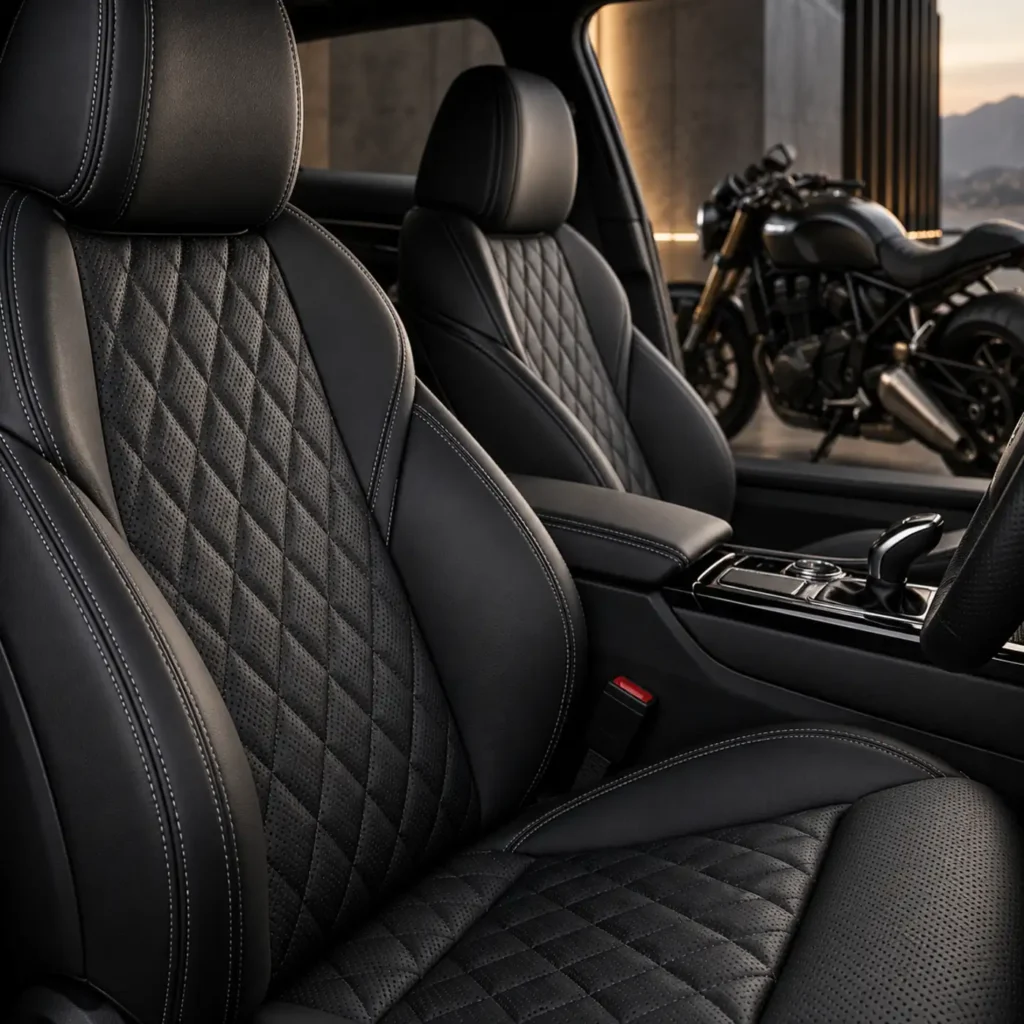
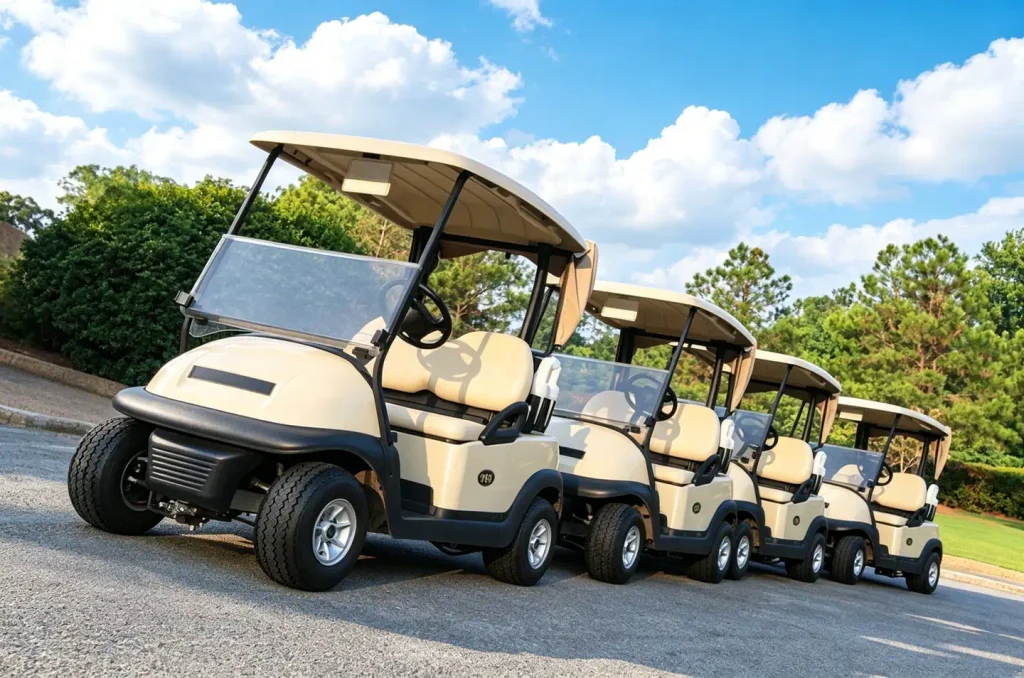
For vehicle projects, start with the actual application and then select a suitable material from our Auto & Motorcycle Leather range.
Surface Appearance Does Not Tell You Everything
Two synthetic leather samples can look almost identical but perform very differently after long-term use.
The difference may come from:
surface coating → formulation → protective finish → thickness → textile backing
For example, outdoor-oriented constructions may require additional consideration for UV exposure, cleaning resistance and temperature aging.
The same principle applies to PU leather. A soft hand feel does not automatically mean better durability, and a firmer PVC construction does not automatically mean lower performance.
Material selection should therefore be based on specification and test requirements rather than appearance alone.
Backing and Construction Can Affect Cracking
Cracking is not always caused only by the top coating.
The backing also affects how the material stretches, folds and behaves during sewing and upholstery.
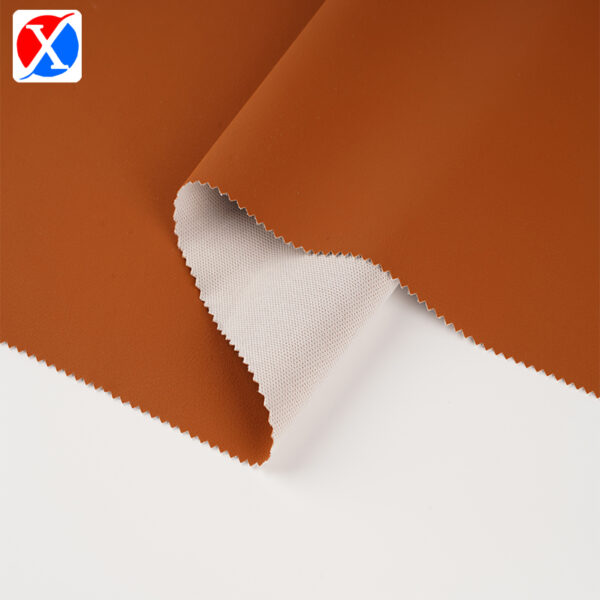
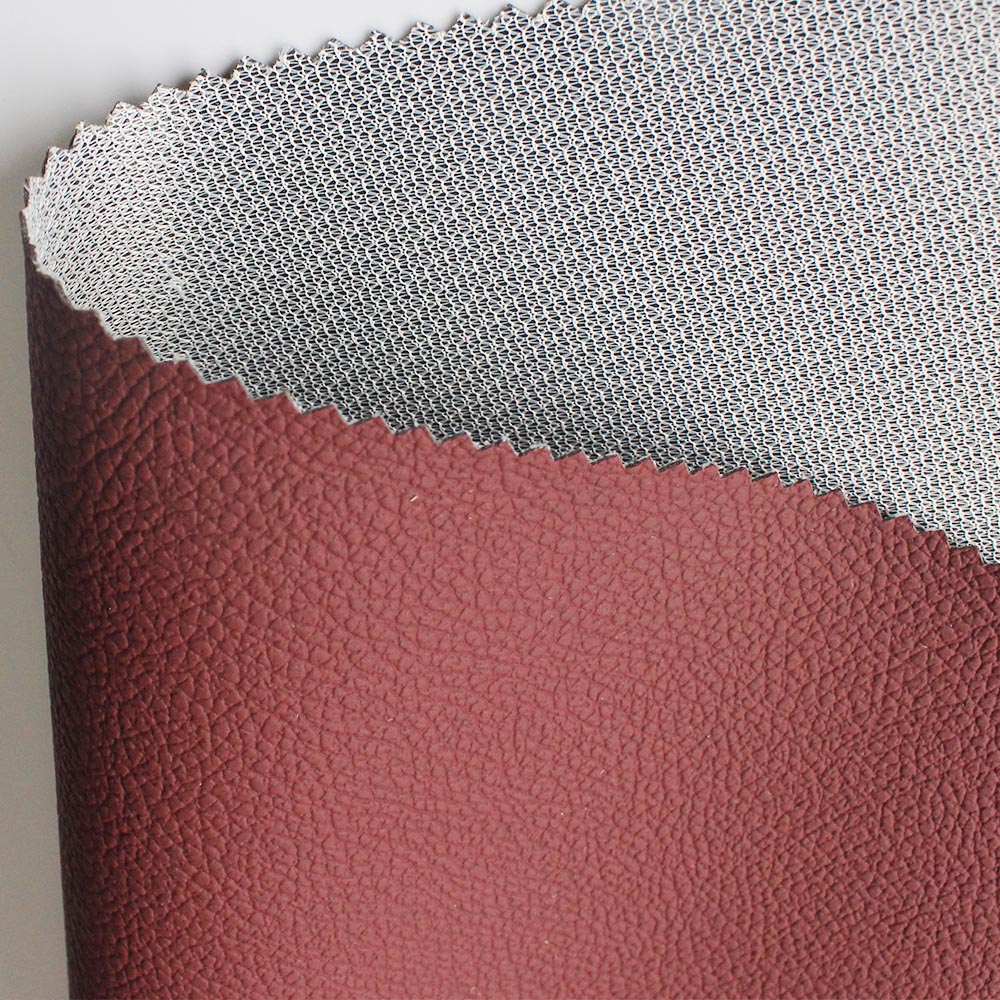
Xiangze automotive synthetic leather is available with different backing constructions, including:
- Terry fabric
- Knitted fabric
- Brushed fabric
- Mesh
- Other textile structures
A suitable backing helps the material maintain dimensional stability while still providing the flexibility required for wrapping curved surfaces.
You can compare common constructions in our PVC Leather Backing Options.
Test Data Is More Useful Than Hand Feel
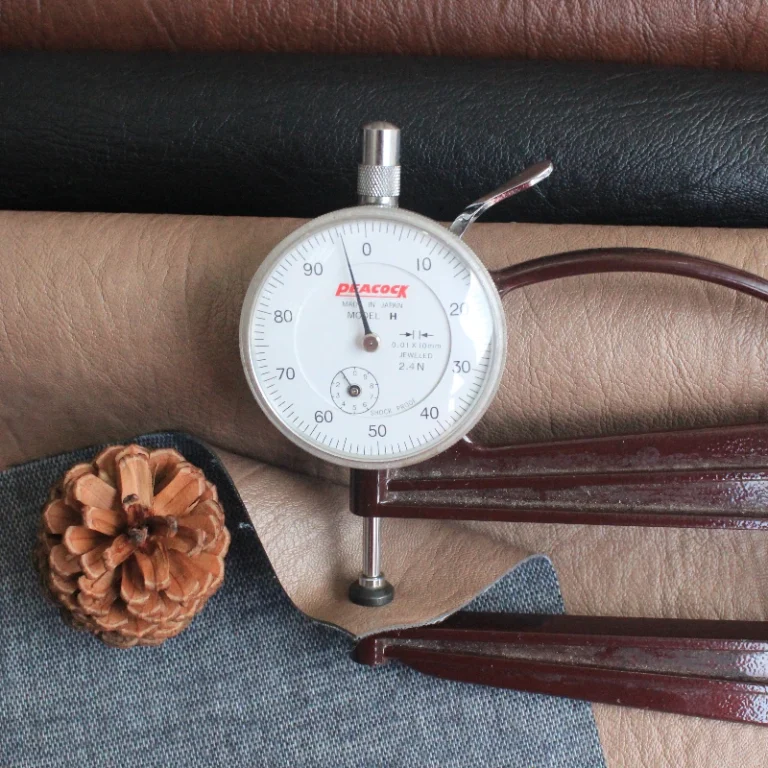
For demanding applications, physical samples should be supported by relevant performance testing.
Depending on the project, buyers may need to consider:
abrasion resistance · tear strength · UV aging · temperature resistance · cleaning resistance · color fastness
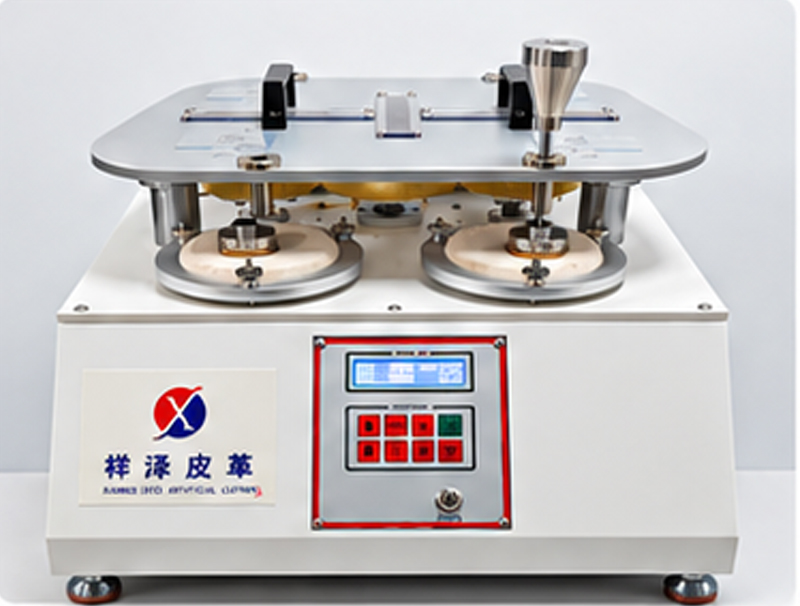
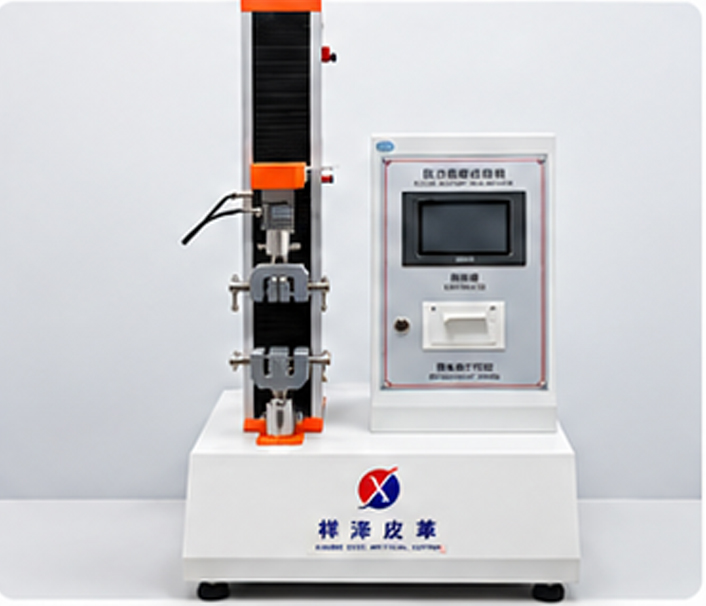
Xiangze can perform in-house Martindale abrasion testing and tear-resistance testing, while project-specific materials can also be evaluated according to additional customer requirements.
For suitable outdoor constructions, performance targets can include higher abrasion resistance, long-term outdoor exposure evaluation and extended outdoor service life.
For automotive seating, see our Car Seat Leather collection and Automotive Leather Selection Guide.
How to Reduce Cracking and Peeling Problems
Before ordering synthetic leather, define the real operating conditions first.
A useful specification should include:
application → indoor/outdoor use → temperature → UV exposure → cleaning method → thickness → backing → required tests
For example, a sightseeing vehicle parked outdoors requires a different material specification from a sofa used indoors.
The same is true for bags, footwear and industrial equipment.
Rather than asking only:
“How thick is the leather?”
buyers should also ask:
“What environment was this material designed for, and what performance data can support it?”
That approach reduces the risk of premature cracking, peeling and fading while making material comparison much more meaningful.