Why Outdoor Synthetic Leather Cracks After Sun Exposure

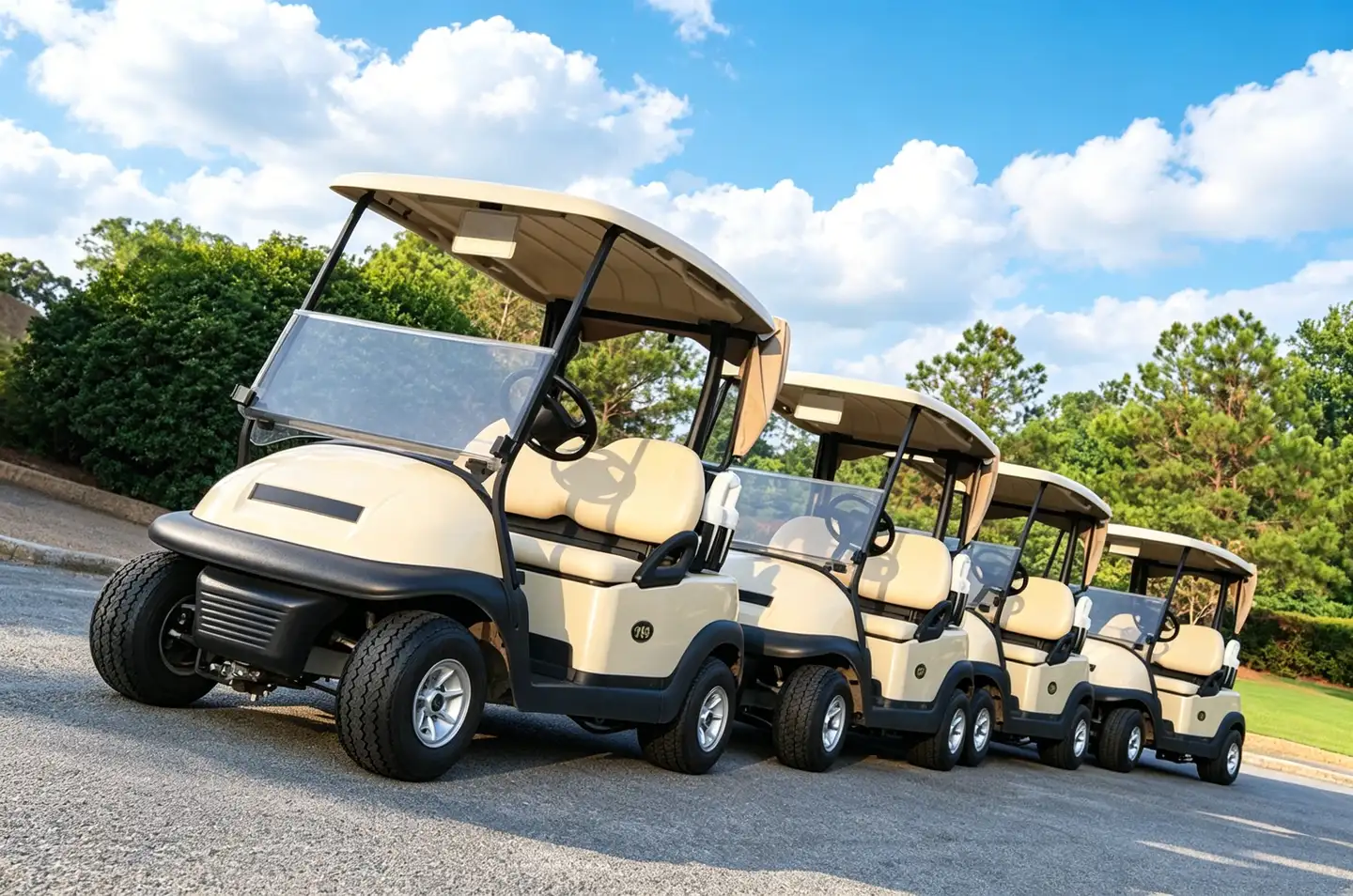
Outdoor synthetic leather may look perfect when first installed but begin to fade, harden, crack or delaminate after months of exposure.
This is common in golf carts, sightseeing vehicles, utility vehicles, marine seating and other products that remain outdoors for long periods.
The problem is often not simply “poor leather quality.”
In many cases, the material was designed for indoor upholstery rather than long-term exposure to UV radiation, heat, moisture and repeated temperature changes.
UV Exposure Changes More Than Surface Color
Sunlight does more than fade the surface.
Long-term UV exposure can gradually change the coating system and reduce the flexibility of the material.
As the surface becomes less flexible, repeated bending and seat movement can increase the risk of:
- fading
- hardening
- surface crazing
- cracking
- coating separation
This is why a material that performs well in an indoor abrasion test may still fail outdoors.
For long-term outdoor seating, buyers should look beyond appearance and select materials according to the real operating environment.
Xiangze supplies automotive synthetic leather for different vehicle seating and interior applications.
Weather Resistance Depends on the Complete Construction
Outdoor durability is not achieved simply by making the leather thicker.
The complete material system matters:
surface finish → coating formulation → protective layer → base layer → textile backing
Weather-resistant constructions may use formulations and surface treatments designed to improve resistance to sunlight, moisture and temperature aging.
The textile backing also affects how the material responds when the coating becomes hot, cold or repeatedly flexed.
For this reason, thickness alone should never be used as the main indicator of outdoor durability.
You can compare different material constructions in our PVC Synthetic Leather Materials and PVC Leather Backing Options pages.
Heat, Rain and UV Usually Work Together
Outdoor leather rarely experiences only one type of aging.
A sightseeing vehicle parked outside may experience:
strong sunlight during the day → high surface temperature → rain or humidity → cooling at night → repeated flexing during use
These conditions can act together.
Heat may accelerate material aging, while moisture and repeated temperature changes can increase stress within the coating and backing structure.
This is why UV resistance should be considered together with:
- heat aging
- moisture resistance
- cold flexibility
- abrasion resistance
- tear strength
For automotive seat projects, our Car Seat Leather collection includes different thicknesses, grains and backing constructions for vehicle upholstery.
Test Data Matters More Than Initial Appearance
Two leather samples may look almost identical when new but behave very differently after long-term outdoor exposure.
For demanding projects, buyers should ask for test requirements related to the actual application rather than relying only on hand feel or surface appearance.
Depending on the project, relevant evaluation may include:
UV aging · outdoor exposure · abrasion · tear strength · temperature cycling · cleaning resistance
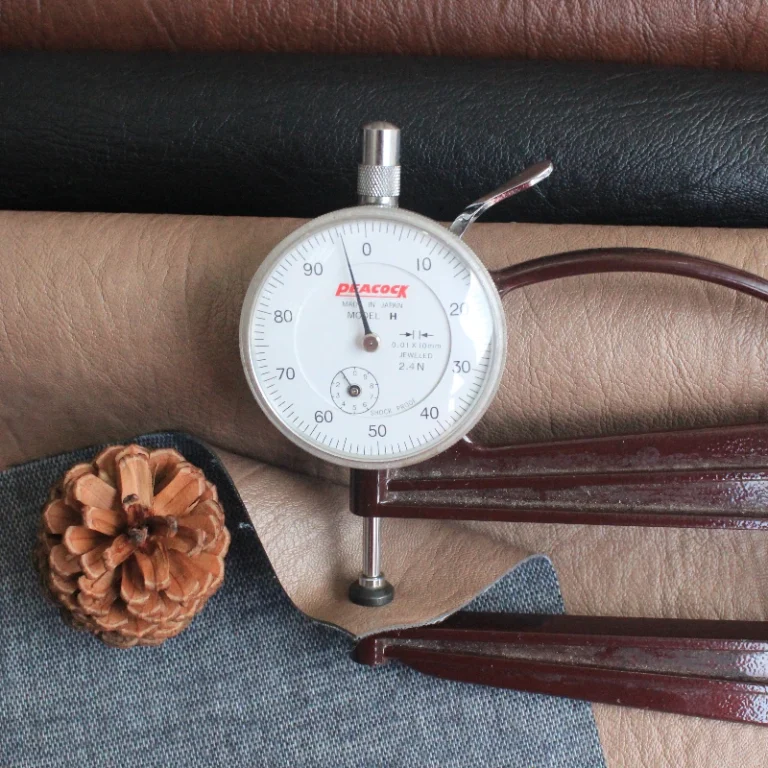
Xiangze can support in-house Martindale abrasion testing and tear-resistance testing.
For selected outdoor projects, weather-resistant constructions can also be developed around higher durability targets, including extended outdoor exposure evaluation, Taber abrasion targets up to 50,000 cycles and outdoor service life exceeding three years under suitable application conditions.
For more general vehicle material selection, see Synthetic Leather for Automotive Interiors.
How to Reduce Outdoor Cracking Problems
The most effective way to reduce premature cracking is to specify the material according to the actual environment before production begins.
A practical outdoor leather specification should include:
application → UV exposure → temperature range → moisture → cleaning method → thickness → backing → performance requirements
For example, a golf cart that remains outdoors every day requires a different specification from an indoor sofa, even if both products use synthetic leather with a similar grain and thickness.
For outdoor vehicles and equipment, the material should ideally be evaluated in the actual seat construction before bulk production.
The key purchasing question is therefore not:
“How thick is this leather?”
but:
“Was this material designed and tested for the environment where it will actually be used?”
For project-specific material selection, contact Xiangze Leather with your application, thickness, backing and outdoor performance requirements.