How to Approve Color, Grain and Backing Before PVC Leather Production

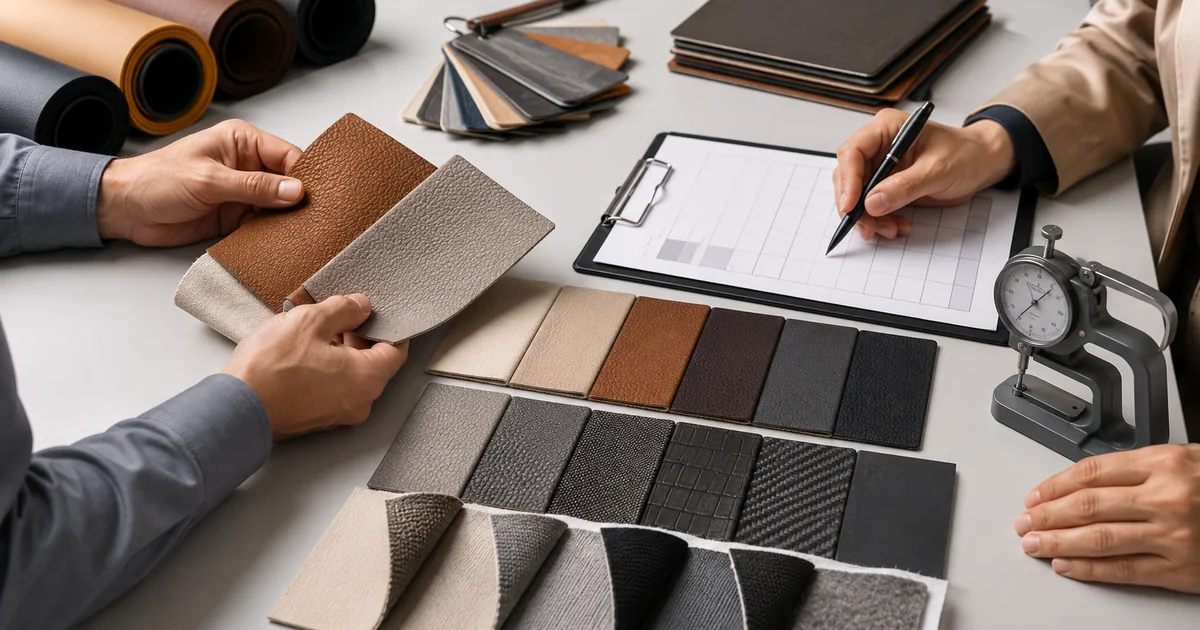
Before PVC leather enters bulk production, the buyer and supplier should agree on exactly what material is being approved.
Color, grain and backing are three of the most important approval points because they affect both the appearance of the finished product and the way the material behaves during manufacturing.
A material can have the correct color but the wrong grain scale. It can have the right grain and thickness but use a backing that stretches differently during sewing or upholstery. It can also look acceptable in a photograph while appearing noticeably different when compared with the original sample under controlled lighting.
For B2B purchasing, approval should therefore be based on a physical sample and a clearly documented specification rather than only on photographs, color names or verbal descriptions.
Xiangze Leather supplies PVC Leather Materials with different colors, embossed surfaces, thicknesses and backing constructions for automotive interiors, furniture, bags, footwear and decorative applications.
A structured approval process helps both sides create one clear production reference before bulk manufacturing begins.
Why Color, Grain and Backing Should Be Approved Separately
Color, grain and backing are related, but they should not be treated as one single visual approval.
Each controls a different part of the material.
Color Controls the Visual Tone
Color approval determines whether the finished leather matches the intended design or existing product.
A dark brown material, for example, may appear warmer, cooler, redder or more neutral depending on the pigment formulation and lighting conditions.
Small differences can become much more noticeable when the material is used across a large sofa, automotive seat or production batch.
Grain Controls Surface Character
Grain determines the visible texture of the PVC surface.
Even materials described with the same commercial grain name can differ in:
- Pattern scale
- Embossing depth
- Grain shape
- Direction
- Repeat
- Surface definition
A fine pebble grain suitable for a handbag may appear too small or too dense when used on a large furniture panel.
Backing Controls Material Behavior
The backing sits underneath the PVC surface but can strongly influence:
- Stretch
- Recovery
- Flexibility
- Material body
- Dimensional stability
- Sewing
- Folding
- Upholstery fitting
- Adhesive bonding
This means a material that looks almost identical from the front can perform differently if the backing construction changes.
For more information about common textile constructions, see PVC Leather Backing Options.
The safest approach is therefore to approve color, grain and backing individually first, and then approve the complete material construction as one final sample.
Approve PVC Leather Color Using a Physical Standard
Color is often the first characteristic buyers notice, but it is also one of the easiest areas for misunderstandings.
A photograph should normally be used for communication, not as the final production standard.
Use the Physical Sample as the Main Reference
If the buyer already has an approved material, provide a representative physical sample.
The reference should preferably be:
- Clean
- Unfaded
- Free from stains
- Large enough to show the true color
- Representative of the intended finished product
If the existing sample has been exposed to sunlight, heat, cleaning chemicals or long-term use, identify an area that still represents the original color as closely as possible.
If no existing sample is available, the supplier and buyer can approve a newly developed color swatch.
Once approved, that physical swatch should become the color reference for production.
Compare Under Consistent Lighting
Color should be compared under consistent viewing conditions.
Changing the light source can make two materials appear more or less similar.
For important projects, buyers may compare the original and proposed sample under more than one relevant light condition.
The key point is consistency.
Do not approve one sample next to a window in daylight and compare bulk production later under completely different factory lighting.
Compare Samples Side by Side
Place the proposed sample directly beside the approved reference.
Check:
- Overall color
- Undertone
- Lightness and darkness
- Color uniformity
- Appearance from different viewing angles
For large production programs, numerical color measurements may also be specified.
If instrumental color measurement is required, the buyer and supplier should agree in advance on the measurement method, equipment conditions and acceptable tolerance rather than assuming one universal value applies to every project.
Record What Was Approved
After color approval, record the reference clearly.
For example:
Color: Dark Brown — Approved Physical Sample
or:
Color Reference: Customer Sample C-02
Avoid using only descriptions such as:
Brown
or:
Black
because these are not precise enough to control future production.
Approve Grain, Embossing and Surface Finish
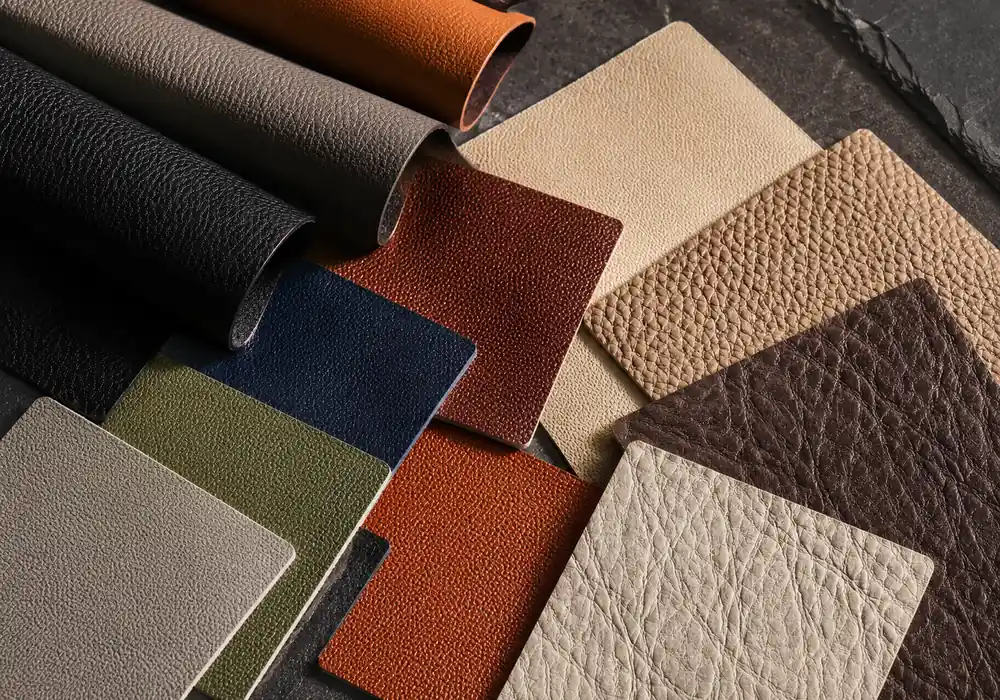
Grain approval should focus on the actual visual structure of the surface rather than only the commercial name of the pattern.
PVC synthetic leather can use many different embossed and decorative surfaces. The basic material construction is explained further in What Is PVC Synthetic Leather?.
Compare Grain Scale
The first point to check is pattern size.
Compare:
- Width of individual grain features
- Distance between raised areas
- Overall pattern density
- Visual effect across a larger panel
A small sample may hide the true scale of the repeat.
Whenever possible, evaluate a piece large enough to show how the grain looks across the finished component.
Check Embossing Depth and Definition
Two embossing rollers can create similar patterns but different surface depth.
Check whether the grain appears:
- Shallow or deep
- Sharp or soft
- Flat or dimensional
- Regular or natural
- Strongly defined or subtle
The appropriate result depends on the finished application.
A structured bag leather, for example, may require a more clearly defined pattern than a soft sofa material.
Confirm Grain Direction and Repeat
Some grains appear random, while others have a visible direction or repeating structure.
Directional patterns are especially important when several cut panels will be assembled together.
If the pattern direction matters, record how the factory should cut the material.
This can reduce visible mismatch between adjoining panels.
Approve Surface Finish Separately
Grain and finish are not the same thing.
Two materials can use the same grain but have very different appearances because one is matte and another is high gloss.
Confirm whether the required finish is:
- Matte
- Semi-matte
- Low gloss
- Semi-gloss
- High gloss
- Metallic
- Pearlescent
- Distressed
- Two-tone
- Another defined surface effect
The supplier should retain an approved reference that shows both the grain structure and the required surface finish.
Check the Material in the Finished Application
Whenever possible, place or form the sample on the intended product.
For example:
- Stretch it over seat foam
- Wrap it around a sofa corner
- Fold it into a bag panel
- Form it into a shoe upper
- Bond it onto a packaging structure
Curving, stretching and folding the material can change how the grain reflects light and how large the pattern appears.
This is especially useful when approving materials for Auto & Motorcycle Leather, Sofa & Upholstery Leather and Bag & Luggage Leather.
Approve the Backing and Complete Material Construction
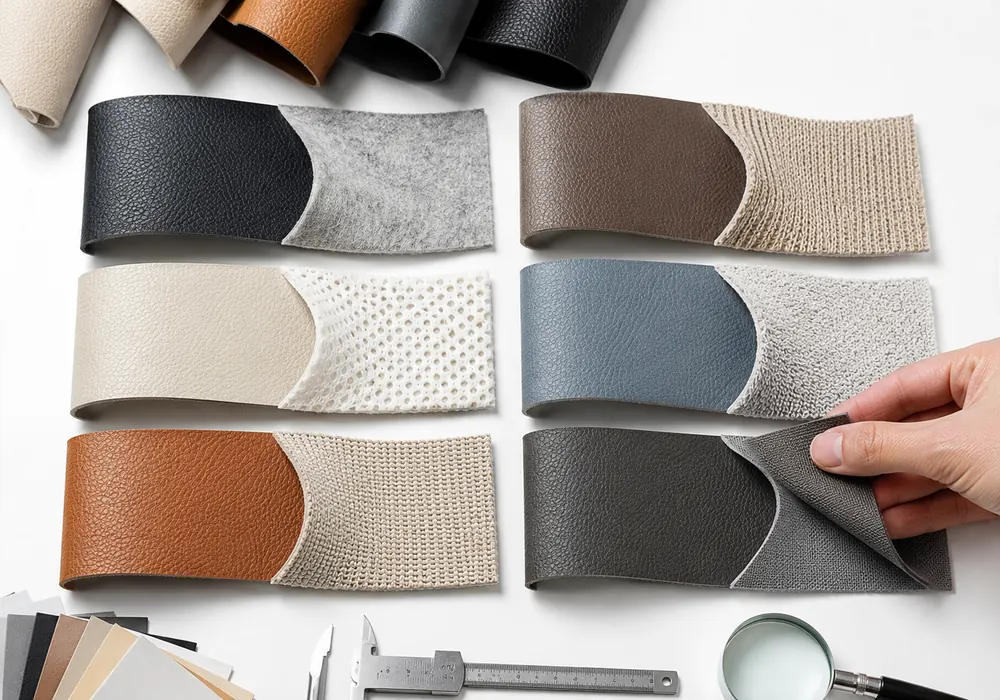
Backing approval should not be limited to writing a generic term such as “fabric backing.”
The actual backing construction should be confirmed because it can significantly change the behavior of the finished PVC leather.
Xiangze Leather works with constructions including:
- Brushed Fabric Backing
- Single-Needle Brushed Fabric Backing
- Double-Needle Brushed Fabric Backing
- Terry Fabric Backing
- Toweling Backing
- Knitted Fabric Backing
- Mesh Fabric Backing
- Stretch Fabric Backing
- Four-Way Stretch Fabric Backing
- Oxford Fabric Backing
- Denim Fabric Backing
- Microfiber Backing
- Spunlace Nonwoven Backing
- Imitation Cotton Fleece Backing
- Recycled Leather Fiber Backing
- Foam Backing
- Other application-specific textile constructions
Check the Backing Visually
Turn the sample over and compare:
- Fabric structure
- Knit or weave appearance
- Surface density
- Thickness
- Direction
- Overall construction
Do not assume two backings are identical simply because they are described with similar commercial names.
Check Stretch and Recovery
Pull the material gently in both directions and compare it with the approved sample.
Check:
- Amount of stretch
- Stretch direction
- Resistance during stretching
- Recovery after release
This is particularly important for automotive seats, motorcycle seats, curved sofa upholstery and other applications where the material must conform to three-dimensional shapes.
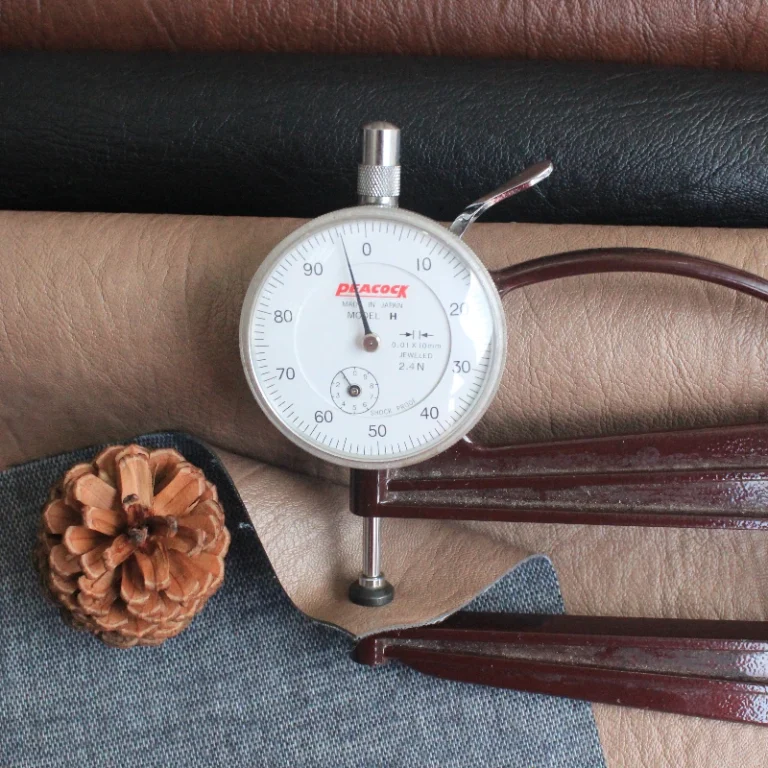
Compare Thickness and Material Body
Backing should be evaluated together with total material thickness.
Measure the complete construction and compare:
- Thickness
- Softness
- Flexibility
- Firmness
- Body
Two samples can have a similar measured thickness but still behave differently because the backing density or coating construction is different.
Test Cutting and Sewing
Use the actual production equipment whenever possible.
Compare how the approved sample behaves during:
- Cutting
- Sewing
- Folding
- Stapling
- Stretching
- Bonding
Check whether the backing causes:
- Excessive stretching
- Panel distortion
- Stitch-hole problems
- Uneven feeding
- Edge instability
- Bonding difficulties
The correct backing is therefore not simply the one that looks closest from the reverse side.
It should also produce the required manufacturing behavior.
Create an Approved Sample and Production Specification
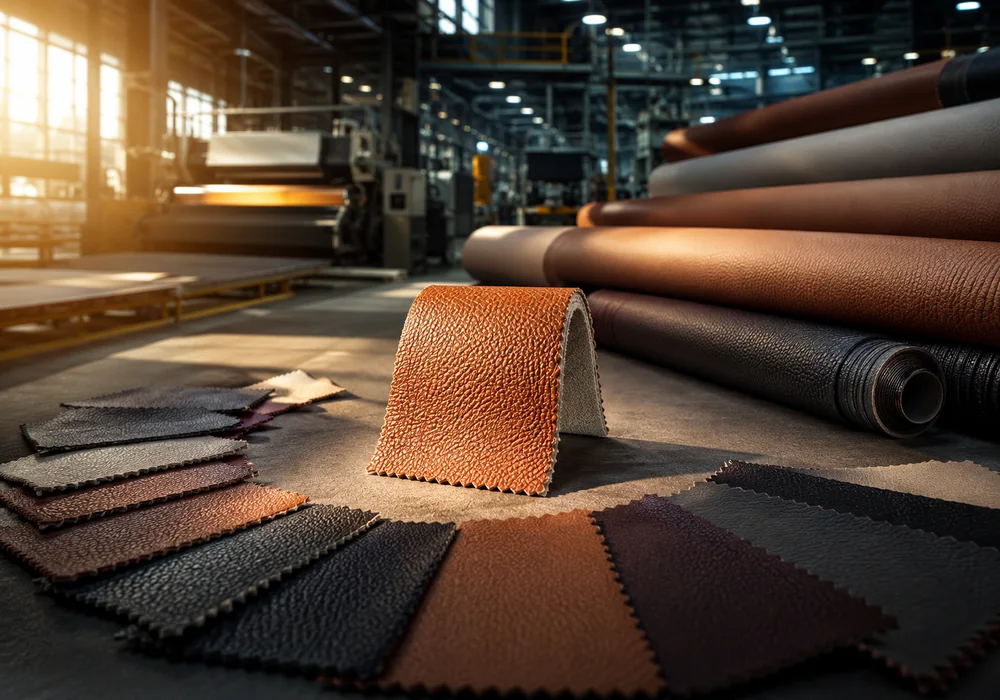
Once color, grain and backing have been accepted, the buyer should approve the complete material rather than maintaining three disconnected references.
This final physical reference is often called an Approved Sample, Master Sample or Golden Sample.
Approve One Complete Material Sample
The final sample should represent the construction that will actually be produced.
It should include the approved:
- PVC surface
- Color
- Grain
- Surface finish
- Thickness
- Backing
- Hand feel
- Stretch behavior
Both buyer and supplier should be able to identify exactly which sample represents the approved standard.
Record the Specification
A practical approval record can include:
| Item | Approved Standard |
|---|---|
| Product Code | Supplier reference |
| Material | PVC synthetic leather |
| Application | Exact finished product |
| Color | Approved sample reference |
| Grain | Approved pattern |
| Surface Finish | Matte, gloss, metallic, etc. |
| Thickness | Agreed nominal specification |
| Width | Agreed usable width |
| Backing | Exact backing construction |
| Hand Feel | Approved physical sample |
| Stretch | Required direction and behavior |
| Special Process | Printing, perforation, quilting, etc. |
| Performance | Required tests where applicable |
| Approval Date | Recorded date |
| Approved Sample | Physical reference retained |
If measurable tolerances are required, they should also be written into the specification.
Avoid relying only on statements such as:
“Same as sample.”
The physical sample is extremely useful, but the written specification makes future repeat production easier to control.
Produce a Trial Product When Necessary
For important projects, use the approved material to produce a representative finished component before releasing the full order.
Examples include:
- Seat cover
- Sofa cushion
- Bag panel
- Handbag
- Shoe upper
- Packaging box
This confirms that the approved color, grain and backing also work together during actual manufacturing.
If the trial component performs correctly, the approved material can then become the reference for bulk production.
Compare PVC Leather Constructions Before Approval
Review different thickness, surface and backing combinations before selecting and approving the final material for production.
-
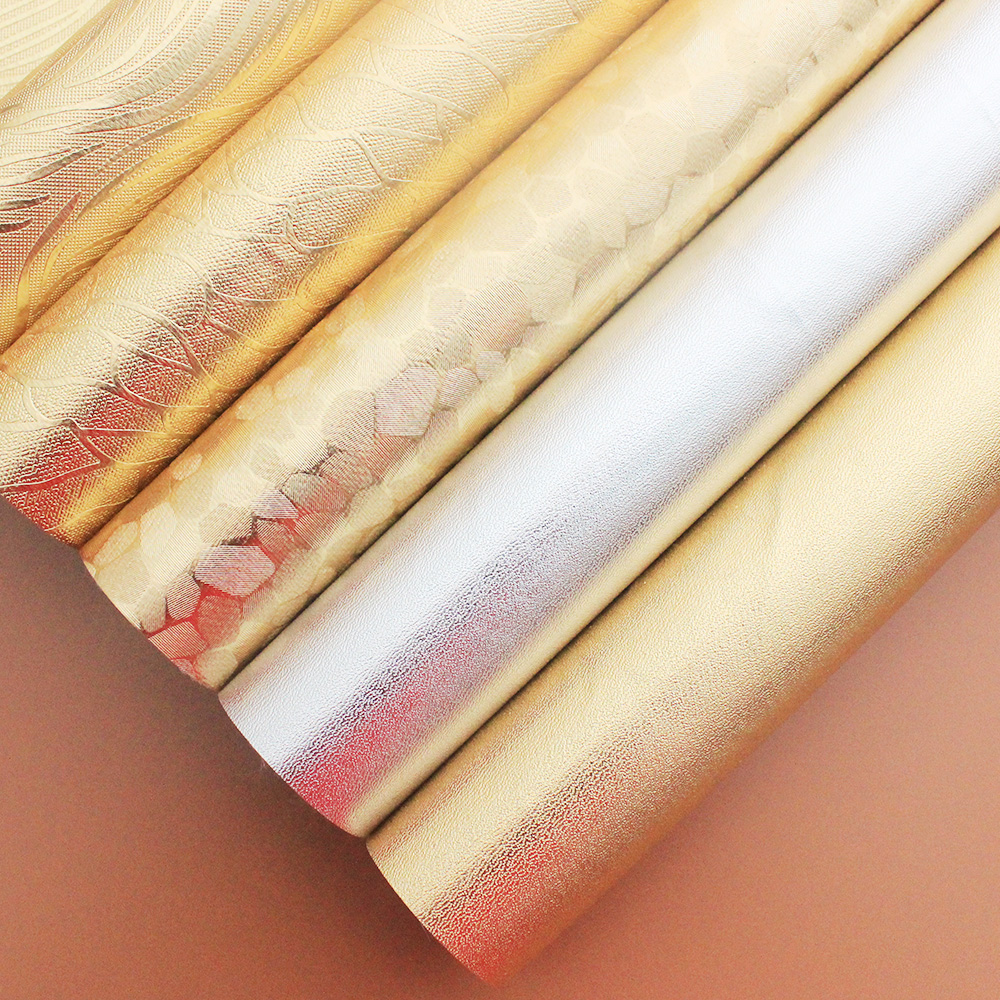
XZ60105 0.5mm Metallic PVC Packaging Leather with Knitted Backing
-
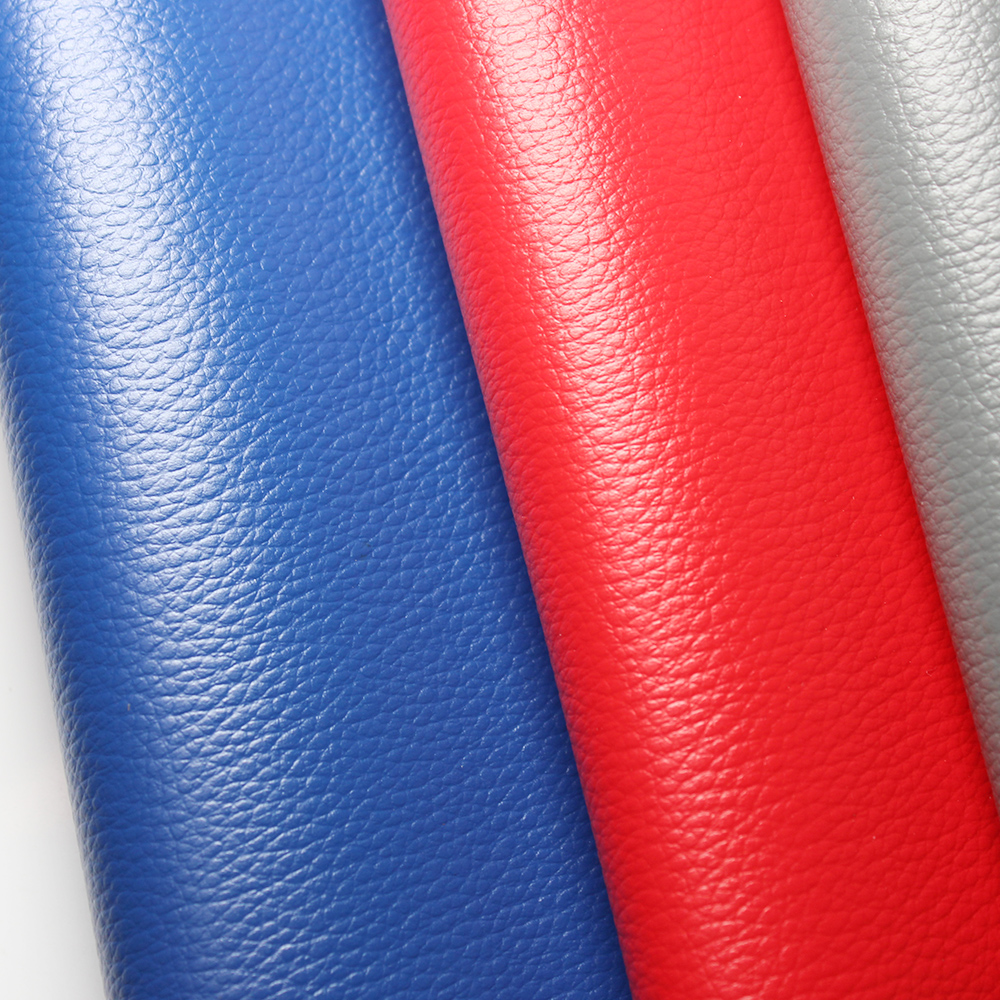
XZ73460 1.2mm Pebble Grain PVC Leather for Motorcycle Seats with Four-Way Stretch Backing
-
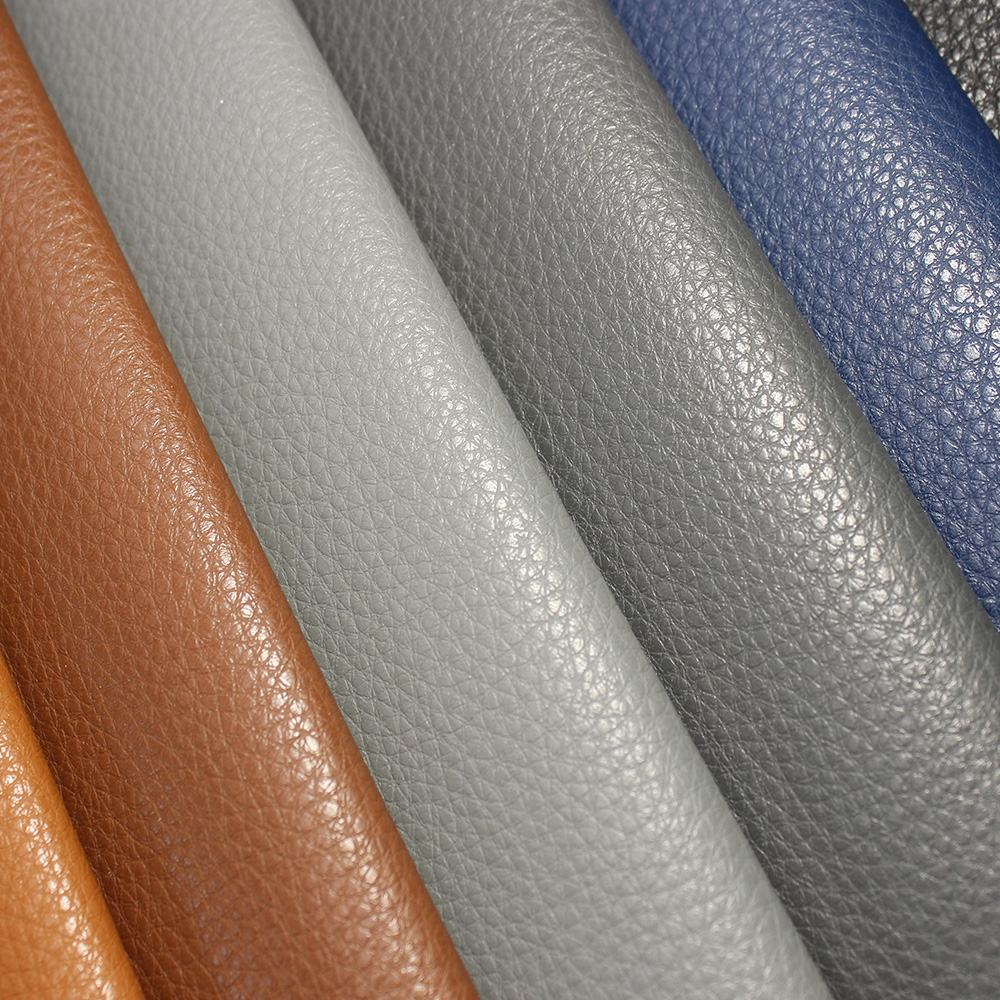
XZ73320 1.4mm Litchi Grain PVC Leather with Recycled Leather Fiber Backing for Sofa Upholstery
-
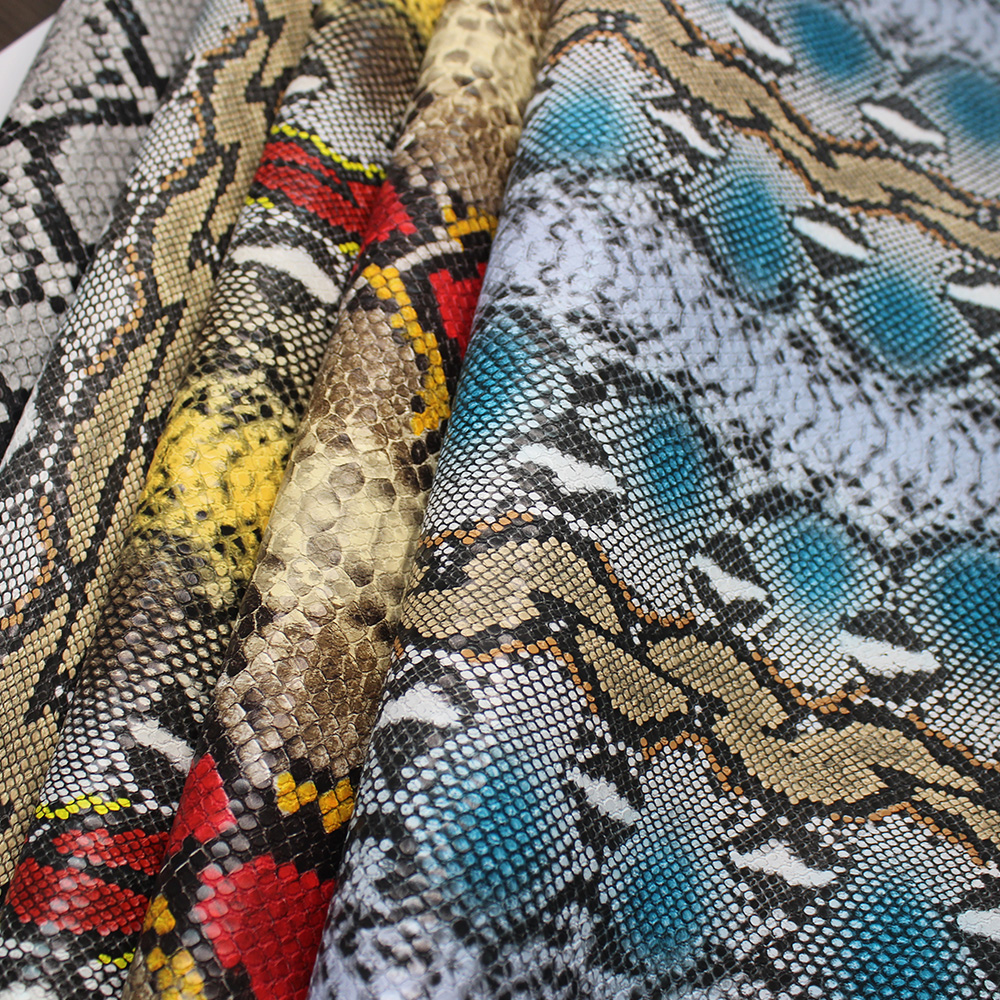
XZ73185 1.0mm Multicolor Python Print PVC Leather for Bags
Check Bulk Production Against the Approved Standard
Approval should not end when the sample is signed.
The purpose of the approved sample is to provide a reference for bulk material.
When bulk production is available, compare representative material with the approved standard.
Check the Main Visual Items
Compare:
- Color
- Grain
- Embossing depth
- Gloss
- Surface uniformity
The bulk material should be evaluated under viewing conditions similar to those used during sample approval.
Check Construction
Verify:
- Thickness
- Backing
- Width
- Hand feel
- Stretch
- General material body
If the backing changes, the material may behave differently even when the surface still looks correct.
Check Required Performance
Where the purchase specification includes performance requirements, verify the agreed tests according to the applicable standard.
These may include:
- Abrasion
- Tear
- Tensile strength
- Stitch-hole strength
- Coating adhesion
- Flex resistance
- Color fastness
- UV or light aging
- Flame requirements
- Customer-specific chemical requirements
Not every PVC leather needs every test.
Only the performance requirements relevant to the finished product should be included.
Use One Final Pre-Production Checklist
Before authorizing bulk production, the buyer can confirm:
| Approval Item | Status |
|---|---|
| Application confirmed | ✓ |
| Color physically approved | ✓ |
| Grain scale approved | ✓ |
| Embossing depth approved | ✓ |
| Surface finish approved | ✓ |
| Thickness confirmed | ✓ |
| Backing construction approved | ✓ |
| Hand feel approved | ✓ |
| Stretch and recovery checked | ✓ |
| Production trial completed if required | ✓ |
| Performance requirements defined | ✓ |
| Approved physical sample retained | ✓ |
| Written specification completed | ✓ |
The objective is not to create unnecessary paperwork.
The objective is to ensure that both buyer and supplier understand exactly what material should enter production.
A properly approved PVC leather sample becomes the reference connecting appearance, construction and manufacturing performance.
When color, grain and backing are confirmed separately and then locked together in one final approved sample, the risk of misunderstanding during bulk production is significantly reduced.
Xiangze Leather can provide physical PVC leather samples for approval according to application, color, grain, thickness and backing requirements. Buyers can also provide an existing sample or finished-product reference so that suitable constructions can be compared before production.
About Xiangze Leather
Written by Xiangze Leather Editorial Team
Xiangze Leather supplies PVC synthetic leather for furniture upholstery, bags, footwear, automotive interiors, motorcycle seats and decorative applications. Material samples, specification options and quotation support are available according to project requirements.