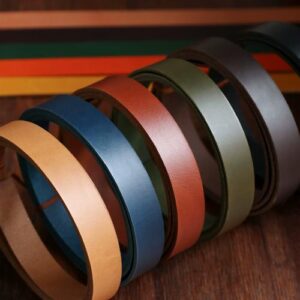
How to Choose Synthetic Leather for Edge Painting
Learn how to choose synthetic leather for clean edge painting by comparing thickness, backing, cut-edge structure, flexibility, adhesion and bag construction.

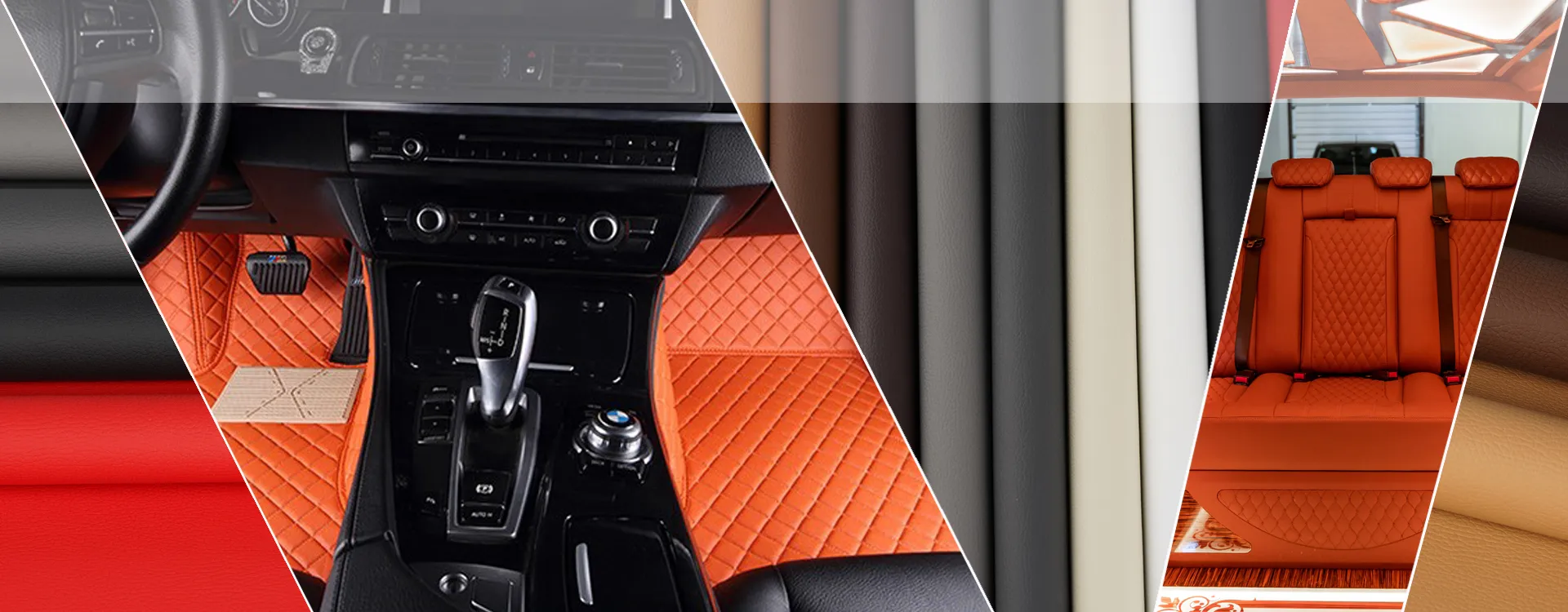
Explore practical guides about PVC synthetic leather, including material structure, backing options, specifications, applications, product selection and sourcing considerations for manufacturers and buyers.
Learn how to choose synthetic leather for clean edge painting by comparing thickness, backing, cut-edge structure, flexibility, adhesion and bag construction.
Learn how to choose synthetic leather for bag handles and straps based on thickness, backing, stretch, reinforcement, folding and sewing performance.
Learn how to choose synthetic leather for bag gussets and side panels based on thickness, flexibility, backing, folding, sewing and bag structure.
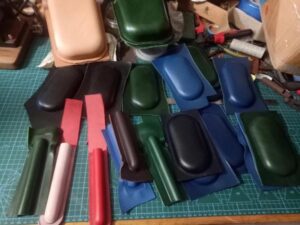
Learn how PVC leather thickness affects bag sewing, including needle penetration, seam bulk, feeding, folding, stitch appearance and multi-layer construction.
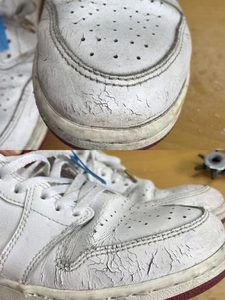
Learn why PVC leather may wrinkle, crease or turn white when folded, and how coating, backing, thickness, temperature and bag construction affect folding performance.
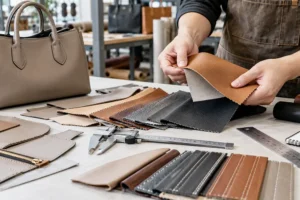
Learn how to test synthetic leather before bag production, including appearance, thickness, backing, cutting, sewing, folding, abrasion and trial production checks.

Learn how backing fabric changes the flexibility, structure, sewing, folding and handling of PVC leather for handbags, luggage and other bag applications.
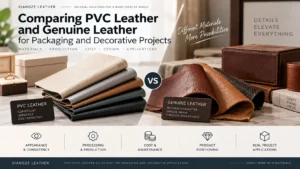
PVC leather and genuine leather can both create premium packaging and decorative surfaces, but they behave differently in production. This guide compares consistency, appearance, processing, cost and practical use for boxes, displays and decorative products.
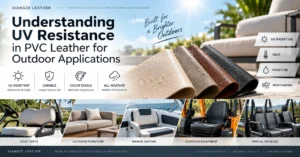
UV resistance is more than a claim that PVC leather will not fade. This guide explains how outdoor weathering affects PVC leather, which test standards buyers can reference, and how to compare UV performance for different applications.
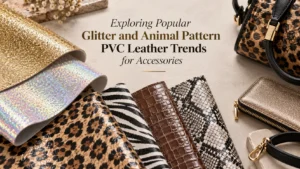
Glitter, metallic effects and animal-inspired patterns are continuing to influence handbags and fashion accessories. This guide looks at the main design directions and how PVC leather can translate these trends into scalable materials for accessory production.
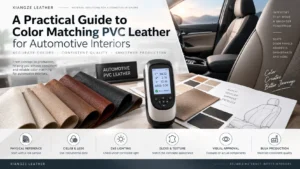
Automotive PVC leather color matching involves more than comparing two samples by eye. This guide explains how buyers can use physical references, instrumental color data, controlled lighting and sample approval to achieve more consistent production results.
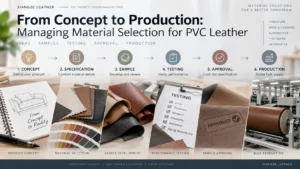
PVC leather sourcing involves more than choosing a color or grain. This guide explains how buyers can move from an initial product concept to sample evaluation, material approval and stable bulk production.
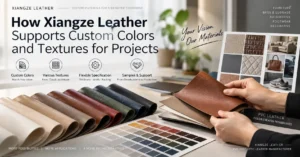
Custom PVC leather development involves more than choosing a color from a chart. This guide explains how Xiangze works with buyer references, grains, finishes and approved samples to develop materials for furniture, bags, automotive interiors and other projects.
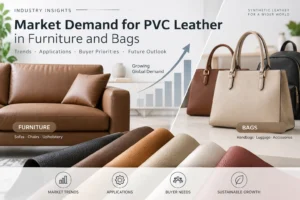
Furniture and bag manufacturers remain important users of synthetic leather, but purchasing priorities are changing. This article looks at current market demand, why PVC leather remains relevant, and what buyers increasingly expect from suppliers.
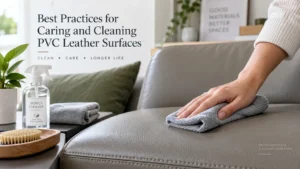
PVC leather is relatively easy to maintain, but incorrect cleaners and aggressive scrubbing can damage the surface finish. This guide explains practical cleaning methods, stain treatment and daily care for PVC leather.












